

Preventive Steps Professionals Take For Earwig Infestations
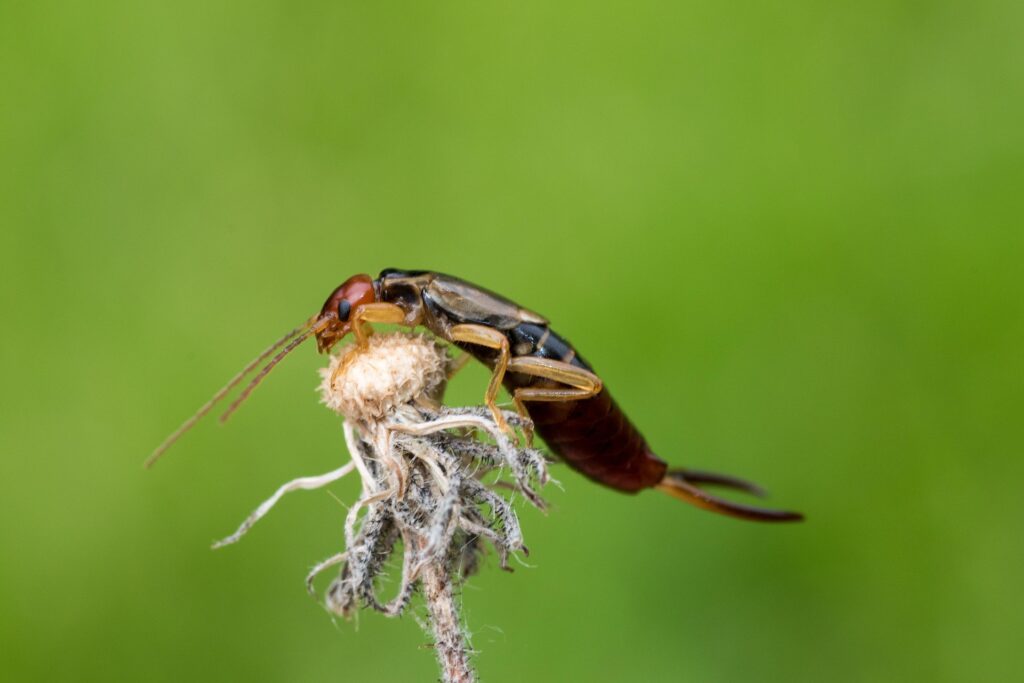
Earwigs are small, nocturnal insects often identified by the pincers at the end of their abdomen. While they are more of a nuisance than a danger, their sudden appearance in bathrooms, kitchens, or basements can quickly cause concern for homeowners. These pests thrive in dark, damp areas and can multiply rapidly when conditions are favorable. Effective prevention requires more than surface-level treatment; it takes professional insight, strategic control methods, and long-term planning to keep them away for good. Understanding the Behavior Behind Earwig Infestations Before controlling earwig infestations, professionals start by understanding the pest’s habits and life cycle. Earwigs typically prefer moist environments, such as under mulch, rocks, or decaying leaves. During dry or hot weather, they move indoors in search of humidity. They are most active at night, feeding on organic matter, plants, and other insects. Although they rarely cause major damage, a large population can harm seedlings and garden plants. Inside homes, they gather near damp areas such as: By studying these patterns, professionals can accurately locate breeding sites and identify potential entry points. This detailed understanding helps tailor earwig control strategies that address both the insects and the conditions that attract them. Inspection and Identification: The First Step in Earwig Control Every successful treatment plan begins with a thorough inspection. Professionals use targeted evaluations to identify both the source of the infestation and environmental factors that sustain it. Their inspection process often includes: Identifying the scope of infestation allows professionals to implement precise solutions rather than generalized sprays that only offer temporary relief. This investigative approach also prevents recurring problems by addressing underlying causes rather than symptoms. Moisture Reduction and Habitat Modification Earwigs rely heavily on damp conditions for survival. Professionals focus on altering these environments to make them less inviting. Habitat modification is one of the most important steps in long-term earwig control. The process often includes: Reducing humidity discourages earwigs from breeding and migrating inside during seasonal changes. This preventive work is particularly useful before cooler months when preparing for fall pests, as this is when earwigs and other insects seek warmth and shelter indoors. Safe and Strategic Treatment Methods Once inspection and environmental adjustments are complete, professionals implement treatment plans designed to target both adult earwigs and developing nymphs. The goal is to control populations effectively while minimizing environmental risks. Some commonly used professional techniques include: Professionals also recommend maintaining outdoor lighting strategically since bright lights can attract earwigs at night. Switching to softer or yellow-tinted bulbs helps minimize attraction near entryways. These combined efforts ensure that the infestation is managed thoroughly and responsibly. Long-Term Prevention and Monitoring Even after a successful treatment, continuous monitoring and preventive maintenance are essential. Professionals often schedule follow-up visits to confirm that the infestation has been completely resolved. Preventive care may involve: This ongoing vigilance prevents small issues from developing into larger infestations. It also reinforces the importance of partnering with experts rather than relying solely on short-term do-it-yourself methods. Understanding why DIY pest control fails can help homeowners appreciate the difference professional training and precision make in long-term pest management. Keep Earwigs Out Before They Move In Consistent prevention is the most reliable way to stop earwig infestations before they spread. From moisture control to habitat modification, every step professionals take is designed to create a balanced and pest-free environment. Homeowners who notice recurring earwig activity should act early to avoid larger population growth and structural invasion.If you are dealing with persistent earwigs or want to prevent them before the season changes, contact Protek Pest and Lawn for comprehensive and science-based pest management solutions tailored to your property.