

The Risks Of DIY Rodent Baits This Upcoming Winter
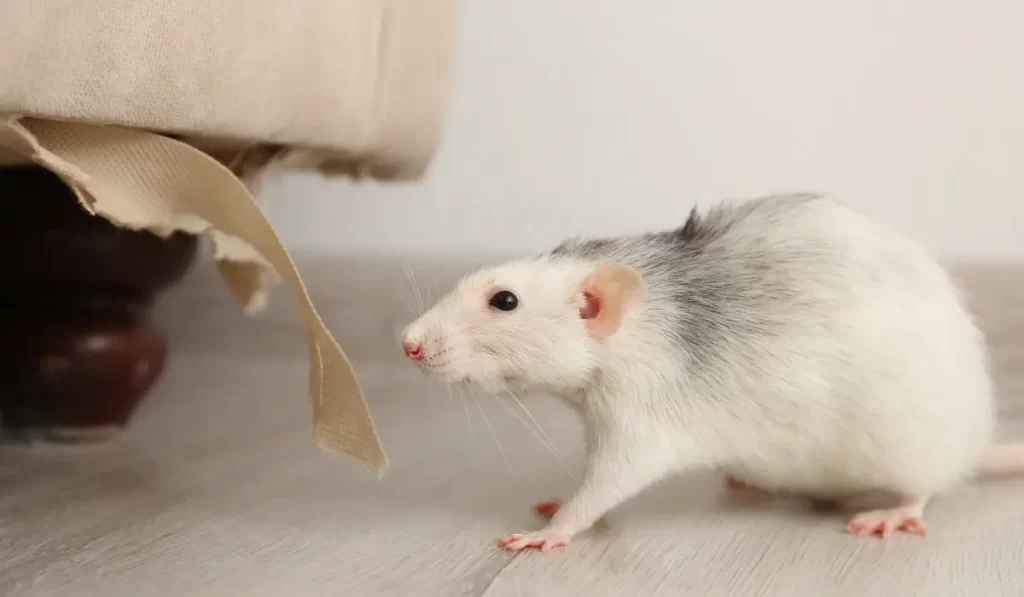
As winter approaches, rodent activity often increases around homes and commercial properties. Colder temperatures push rodents to search for warmth, food, and shelter, and structures provide all three. Because of this seasonal shift, many property owners consider placing rodent baits as a quick solution. While this approach may seem convenient, DIY baiting carries risks that are often underestimated, especially during winter months. From a professional perspective, winter rodent control requires careful planning and a clear understanding of rodent behavior. Rodents are adaptable, cautious, and capable of surviving harsh conditions. Improper bait use can create unintended consequences that affect safety, effectiveness, and long-term results. Understanding these risks helps explain why winter rodent problems often persist despite repeated DIY efforts. Why Winter Conditions Increase Rodent Pressure Rodents do not hibernate through winter. Instead, they adjust movement patterns to remain close to consistent resources. As outdoor food becomes scarce and temperatures drop, rodents move toward buildings where insulation, stored materials, and human activity provide stability. Several winter conditions drive this behavior: Once rodents gain access, they often establish nesting areas deep inside structures. Wall voids, attics, and crawl spaces offer protection from predators and weather. This is why winter infestations are rarely limited to a single rodent. Movement patterns during this transition period are discussed further in this resource on seasonal shelter habits, which explains how fall and early winter set the stage for indoor activity. Common Risks Associated With DIY Rodent Baits DIY rodent baits are widely available, but availability does not equate to safety or effectiveness. Without proper placement and monitoring, bait use can introduce hazards that outweigh potential benefits. Common risks include: When rodents consume bait and retreat into walls or insulation, the result is often lingering odors and sanitation issues that are difficult to locate. In winter, these problems can persist longer due to reduced airflow and sealed indoor environments. Additionally, rodents may not consume enough bait to be affected, allowing them to continue nesting while becoming more cautious around future control efforts. Why Bait Alone Rarely Solves Winter Rodent Problems Rodent baits address symptoms rather than causes. While a bait may eliminate one rodent, it does not prevent others from entering or address why rodents were drawn to the structure in the first place. Entry points, nesting zones, and food access remain unchanged. Limitations of bait-only approaches include: Rodents are intelligent and can detect changes in their environment. Improper bait placement may teach rodents to avoid certain areas altogether, making future control more difficult. Over time, reliance on bait without broader evaluation often leads to cycles of activity that return each winter. Health, Structural, and Environmental Concerns Beyond effectiveness, DIY rodent baits raise concerns related to health and property integrity. Rodents are known to contaminate surfaces through droppings and urine, which can spread bacteria in enclosed spaces. When bait causes rodents to die in inaccessible areas, cleanup becomes challenging and exposure risks increase. Additional concerns include: Electrical systems are especially vulnerable during winter, when rodents seek warmth near wiring. Structural damage may remain hidden until it becomes costly to repair. These risks highlight why winter rodent control should focus on prevention and monitoring rather than reactive measures alone. The Role of Professional Planning in Winter Rodent Control Effective winter rodent control requires a comprehensive approach that considers structure, behavior, and seasonal patterns together. Professional planning evaluates where rodents enter, how they move, and what conditions support ongoing activity. This allows for targeted strategies that reduce risk without creating additional hazards. Professional oversight typically involves: This structured approach reduces the likelihood of rodents returning year after year. Long-term planning is especially important in winter, when sealed buildings and limited access can make infestations harder to detect. Broader protection strategies are outlined in this resource on ongoing pest plans, which explains how consistent evaluation supports lasting results. A Safer Path Through Winter DIY rodent baits may appear to offer quick relief, but winter conditions amplify their risks and limitations. When rodent activity continues despite repeated baiting, deeper evaluation is often needed. For guidance rooted in seasonal expertise and long-term protection, contact Protek Pest and Lawn to address winter rodent control with confidence and care.