

Mosquito Retreats Post-Winter: When Expert Treatment Still Matters
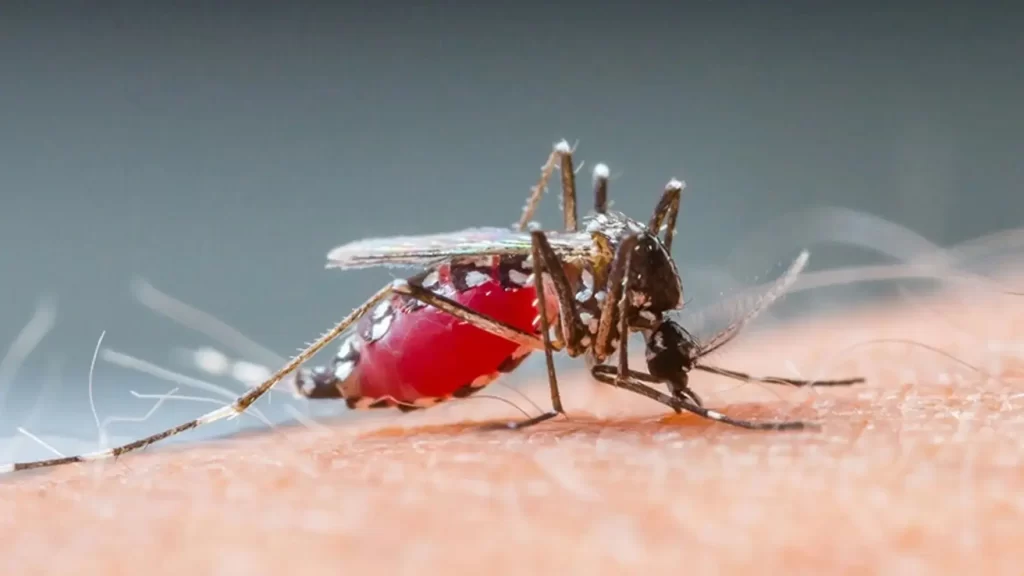
As temperatures drop during winter, mosquito activity appears to decline. Yards feel more comfortable, bites disappear, and homeowners may assume the problem has resolved itself. However, mosquitoes rarely vanish entirely. Instead, they retreat, adapt, and prepare for resurgence. From a professional standpoint, post-winter mosquito management is critical. Even when visible activity decreases, underlying populations can persist in protected environments. Early mosquito control ensures that spring and summer do not bring an unexpected surge. How Mosquitoes Survive Colder Months Mosquitoes have evolved to survive seasonal shifts. While some adults die off in freezing conditions, others overwinter in sheltered areas. Eggs can also remain dormant until temperatures rise again. Common overwintering strategies include: In regions with moderate winters, mosquitoes may continue breeding at lower levels throughout the season. Even short warm spells can stimulate activity. Mosquito survival is often tied to microclimates around the home. Areas that stay slightly warmer, such as crawl spaces, garages, and sheltered corners near foundations, can protect adult mosquitoes from temperature swings. These spaces also reduce wind exposure, which helps mosquitoes conserve energy and remain hidden until conditions improve. Egg survival is another reason winter does not fully eliminate mosquito pressure. Eggs laid in damp soil or along the edges of standing water can remain intact for weeks or months. When temperatures rise and water returns through rain or irrigation, those eggs can hatch quickly, creating an early-season jump in activity that feels sudden but is actually the result of winter persistence. Homeowners may notice fewer mosquitoes in winter, but this lull can create a false sense of security. When temperatures consistently rise, surviving populations rebound quickly. Professional mosquito control accounts for these survival patterns rather than assuming seasonal elimination. Why Spring Brings Rapid Resurgence As winter transitions to spring, environmental conditions become favorable for mosquito development. Warmer soil, increased rainfall, and higher humidity accelerate life cycles. Factors contributing to spring resurgence include: Eggs laid in late fall may hatch once temperatures rise. Within weeks, larvae mature into adults, ready to reproduce again. Spring resurgence can feel dramatic because mosquitoes reproduce in quick cycles once warmth returns. A small breeding source can generate new adults in a relatively short window, especially when water remains available for several days. This is why early spring activity often spikes after rain followed by mild temperatures, even when the yard seems dry on the surface. Vegetation also changes the equation. As plants thicken in spring, yards gain more shade and humidity pockets where adult mosquitoes rest during the day. These sheltered zones protect mosquitoes from wind and sun, allowing them to conserve energy and stay close to the areas where people and pets spend time outdoors. This rapid development is why early intervention matters. Waiting until mosquito swarms become noticeable often means populations have already multiplied significantly. Strategic mosquito control during early seasonal transitions reduces the likelihood of overwhelming summer activity. Hidden Hotspots That Fuel Post-Winter Activity Even when yards appear dry, hidden moisture pockets can sustain mosquito breeding. Identifying and addressing these hotspots is essential for effective management. High-risk areas often include: Shaded vegetation also plays a major role. Mosquitoes rest during the day in cool, protected areas before feeding at dusk. Dense shrubs and tall grass provide ideal shelter. Professional services identify these zones with trained observation. Treatments target both breeding sites and adult resting areas, providing more comprehensive results than surface applications alone. Understanding how professionals treat persistent areas is useful. Insights into managing seasonal problem zones show how experts address fall mosquito hotspots that often remain relevant in spring. Why Store Products Rarely Deliver Lasting Results When mosquito activity begins to increase, many homeowners turn to retail sprays or foggers. While these products may reduce visible adults temporarily, they rarely interrupt the breeding cycle. Limitations of store-bought products often include: Effective mosquito control requires a layered approach that addresses both larvae and adults. Professionals use targeted methods that focus on habitat and life cycle stages rather than broad surface coverage. Additionally, understanding why professional treatment advantages matter helps clarify why structured service plans outperform one-time applications. Without monitoring and follow-up, mosquito populations often rebound quickly after temporary relief. When Expert Treatment Still Matters Even if winter seems to eliminate mosquito presence, early season evaluation provides peace of mind. Expert assessment identifies dormant risks before they escalate. Professional mosquito control after winter provides: Mosquitoes are not the only concern during seasonal transitions. Other pests such as ants, spiders, roaches, and rodents may also adjust their behavior as temperatures rise. Coordinated pest management strengthens overall protection. The key advantage of early professional involvement is prevention. Instead of reacting to heavy swarms, homeowners benefit from reduced pressure before populations peak. Seasonal retreat does not mean permanent absence. Proactive mosquito control ensures that outdoor spaces remain enjoyable as temperatures warm. Prepare Now Before Mosquitoes Return If winter gave you temporary relief, now is the time to prevent a spring surge. Contact Protek Pest and Lawn to schedule expert mosquito control and keep your property protected as the seasons change.