

How Professionals Use Traps Effectively As Rodents Hide More
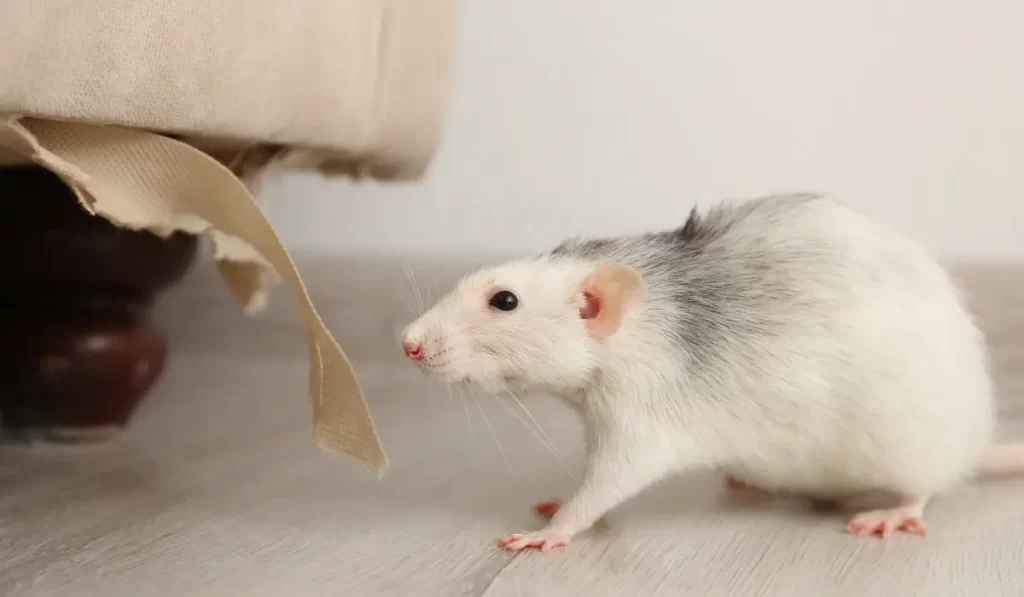
As temperatures shift and food sources change, rodents adapt quickly. Mice and rats begin seeking shelter inside homes, garages, and crawl spaces. Once indoors, they often become more cautious, avoiding open areas and settling into hidden voids behind walls or beneath insulation. From a professional perspective, successful rodent control during these periods requires a strategy rather than guesswork. Traps remain one of the most effective tools, but their placement, selection, and monitoring must be handled with precision. When rodents hide more, professional expertise becomes even more critical. Why Rodents Become Harder to Catch Rodents are highly adaptive creatures. As they detect human activity or changes in their environment, they adjust their behavior to reduce exposure. Several factors contribute to increased hiding behavior: Mice and rats tend to follow established paths along walls and dark corners. When they sense danger, they avoid unfamiliar objects placed in open areas. This is why casually placing traps in visible spots often produces limited results. Professional rodent control accounts for rodent psychology. Understanding travel patterns, nesting preferences, and feeding behavior allows technicians to position traps where rodents naturally move rather than where humans assume they will. Selecting the Right Trap for the Situation Not all traps function the same way, and selecting the wrong type can reduce effectiveness. Professionals evaluate infestation size, rodent species, and property layout before deciding which method to use. Common trapping options include: Each option has advantages depending on the environment. For example, mice require smaller, more sensitive mechanisms, while rats demand sturdier equipment placed along established pathways. Professionals avoid random placement. Instead, they analyze droppings, grease marks, and gnawing evidence to determine activity zones. Trap positioning is then aligned with these indicators. Rodent behavior also shifts seasonally. As described in these winter rodent insights, colder months significantly alter movement patterns and indoor nesting habits. Adapting to these changes is essential for consistent results. Strategic Placement Makes the Difference Trap placement is often the deciding factor between success and failure. Rodents rarely venture into the middle of a room. They prefer edges, concealed spaces, and tight passages. Effective placement focuses on: Professionals also understand the importance of securing traps. Unstable placement can lead to ineffective triggering or safety concerns. Monitoring is equally critical. Traps must be checked regularly and adjusted as activity shifts. A static setup may miss new travel routes if rodents alter their patterns. Rodent control is not a single event. It is a process that involves observation, adjustment, and confirmation of reduced activity. Integrating Traps with Broader Pest Management Trapping alone is rarely sufficient for long-term control. Professionals combine trapping with exclusion techniques and habitat modification to prevent reinfestation. Comprehensive strategies often include: Homes experiencing rodent issues may also face other pest concerns such as ants, spiders, or seasonal insects. Coordinated pest management ensures that resolving one issue does not leave vulnerabilities elsewhere. Professional oversight also provides reassurance. A structured plan backed by consistent monitoring reduces uncertainty about whether the infestation has been fully resolved. This broader approach aligns with the concept of long-term protection discussed in these service guarantee insights, which emphasize the value of sustained pest management rather than short-term fixes. By integrating trapping with preventive measures, professionals increase efficiency and reduce the likelihood of recurring rodent problems. Why Professional Rodent Control Is More Reliable When rodents begin hiding more aggressively, casual methods often fail. Professionals rely on training, experience, and systematic evaluation to adapt strategies as conditions change. Key advantages of professional rodent control include: Rodents reproduce quickly. Missing even a small portion of the population can lead to continued activity. Professional programs focus on thoroughness and long-term stabilization. Attempting to manage rodent infestations without proper assessment may prolong the issue. Misplaced traps can educate rodents to avoid certain areas, making future capture more difficult. As rodents become more cautious, expertise becomes even more important. Professionals anticipate behavior shifts and adjust accordingly, ensuring that traps remain effective even when rodents hide deeper within the structure. Take Control Before Rodents Settle In Rodents that hide within walls and crawl spaces require strategic intervention. Proper trap selection, placement, and monitoring are essential for lasting results.For expert rodent control and comprehensive pest management, contact Protek Pest and Lawn to schedule a professional inspection and treatment plan.