

Explaining Pest Activity in Spring and How to Prevent It
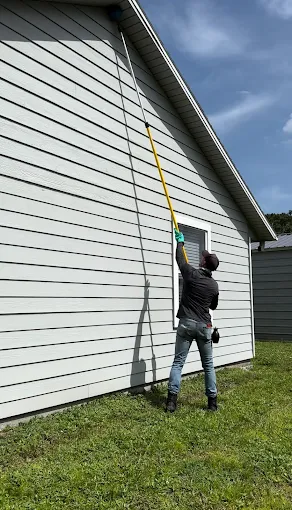
Spring marks a seasonal shift not only for plants and outdoor activity but also for pests. As temperatures rise and moisture levels increase, many insects and rodents emerge from winter dormancy or reduced activity. What may seem like a sudden infestation is often the natural result of biological cycles accelerating with warmer weather. From a professional standpoint, spring pest control focuses on anticipating this surge rather than reacting after pests establish themselves indoors. Understanding why pest activity increases in spring is the first step toward effective prevention. Why Pest Activity Increases in Spring During colder months, many pests seek shelter in protected areas such as wall voids, attics, crawl spaces, and soil. As temperatures climb, these hidden populations become more active. Spring conditions that stimulate pest movement include: Ants, cockroaches, spiders, and rodents all respond to environmental cues. Warmer weather signals that it is time to forage, reproduce, and expand territory. Rodents that nested indoors during winter may begin exploring new areas of the home. Insects that remained hidden in cracks and crevices may suddenly appear in kitchens or bathrooms. Professional spring pest control plans are designed around these predictable biological patterns. Common Spring Pests to Watch For Different pests become active at varying times throughout the season. Recognizing early warning signs can prevent small issues from becoming larger infestations. Common spring concerns include: Ants often enter through small structural gaps in search of food. Cockroaches are drawn to moisture and organic debris. Rodents exploit tiny openings that may have gone unnoticed during winter. Seasonal shifts may also reveal underlying vulnerabilities. For example, cluttered storage areas provide ideal shelter for rodents and insects alike. Professional evaluation helps determine which pest is present and how far the activity has progressed. Early intervention is more efficient than addressing a fully established infestation. Structural and Environmental Factors That Contribute Spring pest problems are not random. They are often linked to specific environmental and structural conditions around the property. Contributing factors commonly include: Moisture plays a significant role. Spring rains combined with lingering winter conditions can create damp environments that attract pests. Even small water leaks beneath sinks or around outdoor spigots can increase activity. Ants and cockroaches thrive in humid conditions. Rodents are drawn to accessible food sources and sheltered nesting sites. If cockroaches tend to show up as the weather warms, it helps to understand why spring triggers that surge and why targeted strategy matters. This quick read on spring cockroach control explains what often drives seasonal activity and why professional methods focus on sources, not just sightings. Why Professional Spring Pest Control Is More Effective While homeowners may attempt to manage pests with retail sprays, these measures often address symptoms rather than root causes. Inconsistent application or misidentification of the pest can reduce results and allow populations to rebound. Professional spring pest control programs typically include: This structured approach increases precision. It also reduces the chance of pushing pests into harder-to-reach voids where activity continues unnoticed. Store products can also create a false sense of resolution. When sightings drop briefly, infestations may still be active in wall spaces, under appliances, or around plumbing penetrations. For a clearer look at why this happens, see service vs sprays and how professional programs are designed to prevent rebound issues. Preventive Strategies That Support Long-Term Control Prevention is the foundation of effective pest management. Spring is an ideal time to reinforce protective measures before pest populations peak. Key preventive steps include: These measures reduce access points and limit attractants. However, preventive maintenance works best when combined with professional oversight. Technicians can identify subtle signs of pest activity that are easy to miss, such as faint rub marks, early droppings, or small entry gaps. Early detection prevents widespread infestation and reduces the need for more intensive treatment later. Spring pest control is most effective when it is proactive. Waiting until ants form heavy trails or cockroaches appear regularly allows populations to grow and expand into new areas of the home. Set Your Home Up for a Quieter Spring Spring pest activity follows predictable patterns, but prevention depends on acting early and targeting the right pressure points. A professional inspection can clarify what is happening now and what is likely to show up next.For comprehensive spring pest control and expert evaluation, contact Protek Pest and Lawn to schedule a professional plan for your property.