

How Frequently Should You Have Pest Inspections in Florida
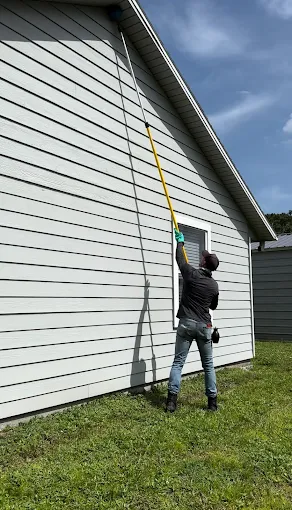
Florida’s climate creates an environment where pest activity is not limited to a single season. Warm temperatures, high humidity, and frequent rainfall allow many pests to remain active throughout the year. This constant activity makes pest inspections an essential part of maintaining a home or property. Unlike regions with colder winters that naturally slow pest movement, Florida requires a more consistent approach. Pest inspections are not just preventative measures. They are a way to monitor ongoing conditions and respond before small issues become more significant. Why Florida Homes Require Regular Pest Inspections The environmental conditions in Florida support a wide range of pests. From insects to rodents, many species thrive in both indoor and outdoor environments. Because these factors are always present, pest inspections must be scheduled with consistency. Waiting for visible signs often means the issue has already developed beyond its early stages. How Often Pest Inspections Should Be Scheduled The frequency of pest inspections depends on several factors, including location, property type, and past pest activity. However, general guidelines can help establish a routine. Regular pest inspections provide an opportunity to identify early signs and adjust prevention strategies as conditions change. Consistency is key. A structured schedule helps ensure that pest activity is addressed before it becomes more widespread. Common Pests That Require Ongoing Monitoring Florida homes are exposed to a variety of pests that can affect both indoor and outdoor spaces. Each type presents different challenges that require attention during inspections. These pests are not limited to one area of the property. Their activity can shift based on environmental conditions, which is why regular inspections are necessary. Understanding how these pests behave helps guide inspection frequency and focus. Factors That Influence Inspection Frequency While general guidelines are helpful, certain conditions may require more frequent pest inspections. These factors can increase the likelihood of pest activity. In addition, the quality of inspection plays an important role. Working with trained professionals ensures that inspections are thorough and accurate. This is discussed further in this resource on certified pest experts, where expertise influences results. Because these variables can change over time, inspection schedules should remain flexible and responsive. Why Professional Pest Inspections Provide Better Protection Pest inspections involve more than a visual check. They require an understanding of pest behavior, environmental conditions, and structural vulnerabilities. Professionals approach inspections with a detailed process. They evaluate entry points, identify signs of activity, and assess areas where pests are likely to develop. This level of analysis helps uncover issues that may not be immediately visible. In addition, professional methods focus on prevention as well as detection. By addressing conditions that attract pests, it becomes possible to reduce the likelihood of future infestations. This approach is especially important in Florida, where pest activity is ongoing. Surface-level solutions often fail to address the full scope of the issue. A more comprehensive strategy is needed to maintain long-term protection, as explained in this guide on professional pest solutions. When Routine Checks Make a Lasting Difference Pest activity can develop quietly, especially in environments where conditions remain favorable year round. Regular inspections provide a way to stay ahead of these changes. Recognizing patterns and responding early helps prevent more complex issues from developing. Stay Consistent With Your Pest Protection Plan When it comes to protecting your home in Florida, consistency matters. Contact Protek Pest and Lawn for pest inspections designed to support year-round prevention and long-term peace of mind.