

Spring Wasps: Why DIY Nest Removal Can Be Risky
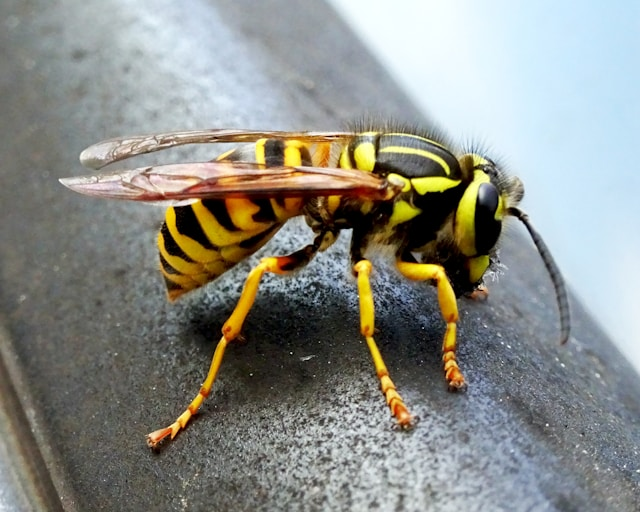
Spring marks the beginning of wasp activity as queens emerge from winter shelter and begin building new nests. At this stage, nests may appear small and manageable, which often leads homeowners to consider handling the problem on their own. However, what seems like a simple task can quickly become dangerous. From an expert perspective, wasp control requires more than removing what is visible. Wasps are highly defensive, and their behavior can shift rapidly when they perceive a threat. Understanding how they operate during spring helps explain why DIY nest removal often leads to unnecessary risks. A structured approach is essential to manage wasps safely and effectively. Why Are Wasps Becoming Active in Spring Spring is a critical time in the wasp lifecycle. During this period, queens establish new colonies and begin laying eggs that will develop into worker wasps. These early stages may seem less threatening, but they are the foundation for rapid colony growth. Addressing activity during this time requires careful handling to avoid escalation. Common Places Wasps Build Nests Around Homes Wasps look for locations that provide shelter, stability, and proximity to food. Many of these areas are close to living spaces, increasing the risk of interaction. These locations often make nest removal more complicated. Limited access and visibility increase the difficulty of addressing the problem safely. Risks Associated With DIY Wasp Nest Removal Attempting to remove a wasp nest without proper preparation can lead to serious consequences. Wasps react quickly when their nest is disturbed, often attacking in groups. These risks make DIY removal unpredictable. Even small nests can trigger aggressive behavior, especially as colonies begin to grow. Understanding the importance of proper handling is essential. In our recent article on the importance of certified technicians, the value of expertise in pest control is explored further. Why Wasp Control Requires a Targeted Approach Effective wasp control involves more than removing the nest. It requires understanding the behavior of the colony and applying solutions that address both current and future activity. Professionals begin by identifying the type of wasp and the extent of the infestation. This information determines how the nest should be handled and what methods will be most effective. Treatments are then applied in a way that reduces activity before removal. This step is critical for minimizing risk and ensuring that the colony is controlled before the nest is disturbed. Another important factor is timing. Addressing nests during lower activity periods reduces the chance of aggressive responses. Professionals use this knowledge to plan removal safely. Proper techniques also ensure that nests are fully removed. This prevents wasps from rebuilding in the same location and reduces the likelihood of recurring issues. The role of trained professionals is essential. In our blog post on eco-certified technicians, the importance of proper training and application is discussed in more detail. How Professional Pest Control Improves Safety and Results Professional pest control services provide the structure and expertise needed to manage wasp activity effectively. This approach focuses on both safety and long-term prevention. The process begins with a thorough inspection to locate nests and identify potential risks. This ensures that all areas of activity are addressed, including those that may not be immediately visible. Targeted treatments are applied to reduce wasp activity before removal. This step lowers the risk of aggressive behavior and improves overall safety. After removal, preventative measures are implemented to reduce the chances of future nesting. This may include sealing entry points and addressing environmental factors that attract wasps. Ongoing monitoring also plays a role. Spring conditions can lead to new nests forming, and regular assessments help ensure that any new activity is addressed quickly. Without professional involvement, wasp control efforts may remain incomplete. A structured approach ensures that both immediate risks and long-term concerns are managed effectively. Where Safety Comes First in Wasp Control Wasp activity in spring may seem manageable at first, but handling nests without proper knowledge can quickly become dangerous. A careful and informed approach ensures that the problem is addressed safely and completely.For reliable wasp control and expert pest management, contact Protek Pest and Lawn and take the next step toward a safer outdoor environment.