
How Eco-Friendly Pest Control Protects Families And Pets
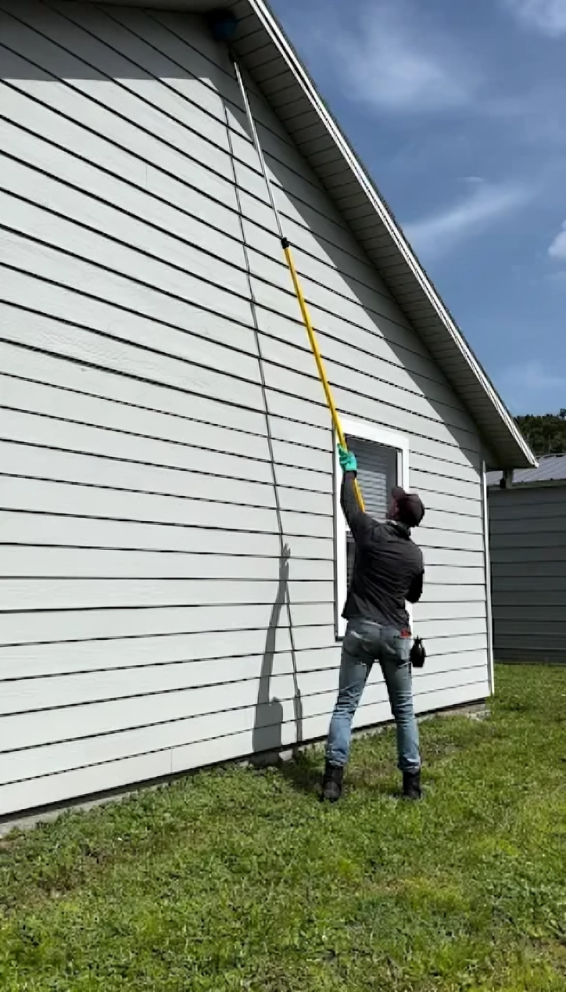
Eco-friendly pest control is not simply about choosing a product with a green label. It is a structured approach that reduces unnecessary exposure by combining accurate identification, targeted treatment, sanitation, exclusion, monitoring, and follow-up. Families and pets benefit when technicians apply the right method in the right place instead of treating large areas without clear evidence. Florida properties can face ants, beetles, cockroaches, earwigs, flies, mosquitoes, rodents, snakes, spiders, ticks, fleas, and wasps. Each pest behaves differently, so responsible service must account for nesting sites, entry routes, moisture, food sources, outdoor conditions, and the way people and animals use the property. Inspection Keeps Treatment Focused A careful inspection is the foundation of eco-conscious service. Technicians look for active pests, droppings, trails, nests, moisture, structural gaps, and other conditions that support an infestation. This prevents treatment from being placed where it is not needed. A professional inspection may evaluate: Accurate identification matters because ants, cockroaches, rodents, mosquitoes, fleas, ticks, spiders, and wasps require different strategies. A one-size-fits-all response can waste material, miss the source, and leave the property vulnerable to recurring activity. Certified Service Supports Responsible Decisions Training helps technicians understand product labels, pest biology, application methods, and property-specific precautions. It also supports clear communication about preparation, drying, reentry, and follow-up. Families should know what areas will be treated, why the treatment is appropriate, and when children or pets can safely return. The role of certified service guarantees also reflects the importance of accountability. A guarantee does not mean every pest disappears instantly or can never return. It generally means the provider stands behind the treatment plan, monitors results, and responds when covered activity continues. Professional judgment is especially valuable around pet zones. Technicians can consider where animals eat, sleep, walk, and play before selecting placement. This allows pest control to remain focused on confirmed harborages and travel routes instead of broadly treating commonly used surfaces. Low-Impact Methods Reduce Unnecessary Exposure Eco-friendly service relies on precision. The goal is to control pests while minimizing treatment in areas that do not require it. Depending on the infestation, professionals may use baits, traps, exclusion, habitat modification, targeted crack-and-crevice applications, exterior barriers, or other low-impact methods. A responsible plan may include: Eco-friendly does not mean treatment-free. It means choosing methods based on evidence, applying them carefully, and combining them with prevention. This approach can reduce repeated applications while improving long-term control. Regular Inspections Catch Problems Earlier Pest pressure changes as weather, landscaping, moisture, deliveries, and building conditions change. An area that was clear during one visit may develop new activity later. Routine inspection helps professionals identify these changes before a small issue spreads through multiple rooms or outdoor zones. The value of routine pest inspections applies to homes as well as businesses. Consistent observation can reveal ant trails, cockroach activity, rodent entry points, spider webs, mosquito breeding sites, flea or tick pressure, and wasp nesting before the problem becomes more disruptive. Ongoing service also creates a useful record. Technicians can compare current findings with earlier visits, determine whether treatment is working, and adjust placement or prevention recommendations. This evidence-based process is more efficient than repeating the same procedure automatically. Prevention Protects The Whole Household Long-term protection depends on reducing the conditions that invite pests back. Food residue, pet bowls, clutter, standing water, overgrown vegetation, damaged screens, and foundation gaps can all support activity. Professional guidance helps families prioritize the changes that matter most for their property. Prevention may involve: Pets can encounter pests indoors and outdoors, especially fleas, ticks, mosquitoes, rodents, and wasps. A property-wide plan considers both environments rather than treating the home and lawn as unrelated spaces. Eco-friendly pest control protects families and pets through thoughtful inspection, precise treatment, clear instructions, and continued prevention. It avoids unnecessary application while addressing the source of the problem. Trained technicians bring the knowledge needed to balance effective control with responsible use around occupied homes. When prevention, treatment, and monitoring work together, households gain a clearer understanding of pest pressure and a practical plan that can adapt without relying on unnecessary repeated applications. Protect Comfort With A Smarter Plan Contact Protek Pest and Lawn for professional inspection, eco-conscious treatment, pet-friendly guidance, and dependable long-term pest control.