

How To Reduce Pest Activity Around Your Yard
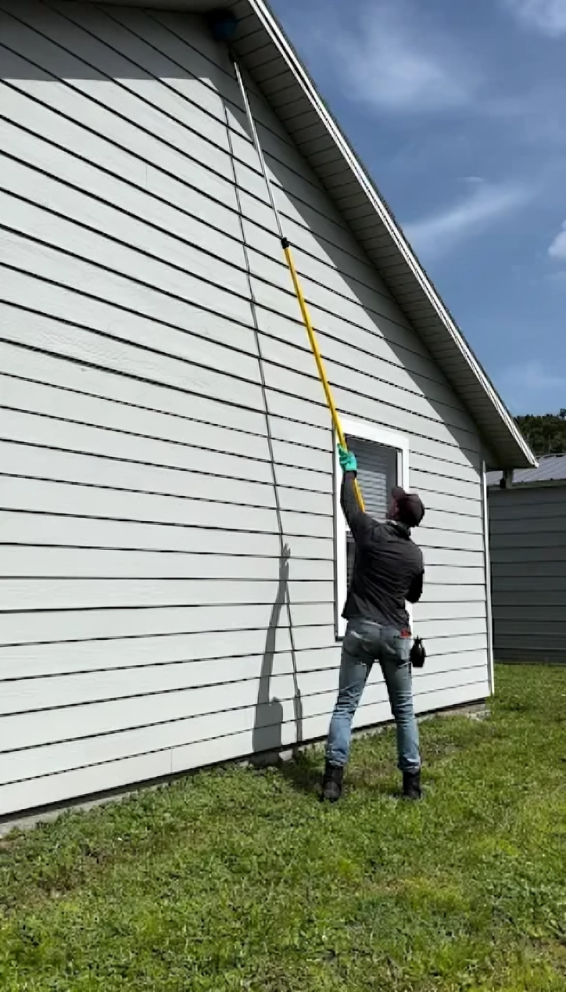
A Florida yard can support pest activity throughout much of the year because warmth, rainfall, humidity, irrigation, and dense landscaping create dependable food, water, and shelter. Ants, beetles, cockroaches, earwigs, flies, mosquitoes, rodents, snakes, spiders, ticks, fleas, and wasps may all use outdoor areas before moving closer to the home. Effective pest control starts by treating the yard as part of the property rather than a separate space. Professionals look at moisture, vegetation, debris, food sources, and structural access together so treatment can focus on the conditions that are actually supporting activity. Manage Moisture Before It Supports More Pest Activity Water is one of the strongest drivers of pest pressure around Florida yards. Rain, irrigation, leaking hoses, clogged drainage areas, and containers that hold water can create favorable conditions even when the rest of the property appears dry. Areas worth monitoring include: Mosquitoes can breed around standing water, while cockroaches, ants, earwigs, and other pests may use damp shelter nearby. Guidance on cockroach activity also shows why moisture reduction works best when combined with sanitation, exclusion, and inspection. Professional evaluation helps distinguish routine yard moisture from conditions that are directly contributing to recurring pest activity. Reduce Shelter Near The Home And Outdoor Living Areas Yards become more attractive to pests when vegetation, debris, stacked materials, and shaded corners create low-disturbance hiding places. Thick growth near siding can hold moisture and give insects, rodents, snakes, and spiders cover close to doors and foundation gaps. The goal is not to remove landscaping. It is to keep the area around the structure visible and easier to inspect. When shrubs press against walls, or stored materials sit beside the garage for long periods, pest movement can remain hidden until activity reaches the interior. Professional pest control considers how shelter connects with food, moisture, and entry points. A spider problem near a patio may be tied to insect prey, while rodent or snake activity may relate to protected areas and the presence of smaller animals nearby. Limit Food Sources That Keep Pests Returning Outdoor food can sustain pest activity even when the home itself is kept clean. Trash residue, pet food, fallen fruit, organic debris, and food left after outdoor meals can attract insects and rodents. Common food-related risks include: Ants, cockroaches, flies, rodents, and wasps may all respond to dependable food sources. Reducing those attractants helps make professional treatment more efficient because pests have fewer resources supporting continued activity. If a food source is repeatedly attracting pests, technicians can evaluate whether a nearby nest, colony, harborage, or travel route also needs to be addressed. Keep Entry Points From Turning Yard Activity Into Indoor Problems Outdoor pest activity becomes more disruptive when insects or rodents find dependable access into the home. Florida properties can develop gaps around doors, windows, vents, utility lines, garage seals, and foundation transitions over time. A broader Florida prevention plan explains why exclusion is most effective when it follows inspection. Ants, cockroaches, spiders, earwigs, beetles, and rodents may use different routes, so the same repair strategy does not apply everywhere. Professional inspections help identify which openings show evidence of pest movement. This keeps repairs focused and reduces the chance of overlooking an active route while spending time on gaps that are not contributing to the problem. Use Ongoing Monitoring To Keep Yard Pressure From Rebuilding Pest activity around a yard can change quickly after storms, irrigation changes, landscaping growth, or seasonal temperature shifts. A quiet area in one month may develop mosquito, ant, cockroach, spider, flea, tick, wasp, or rodent activity later. A long-term plan may include: Professional pest control adds value by creating continuity. Technicians can compare current findings with earlier visits and determine whether the same conditions are returning or whether a new pressure point has developed. Reducing pest activity around the yard is most effective when moisture, shelter, food, access, and seasonal changes are managed together. One-time reactions may reduce what is visible, but they do not always address why pests remain nearby. A property-wide approach makes treatment more precise and helps keep outdoor activity from becoming an indoor infestation. Keep Your Yard From Becoming A Pest Hot Spot If recurring pest activity is building around your yard, contact Protek Pest and Lawn for professional inspection, targeted pest control, prevention, and long-term monitoring tailored to Florida conditions.