

How Lawn Care Supports Better Pest Prevention Results
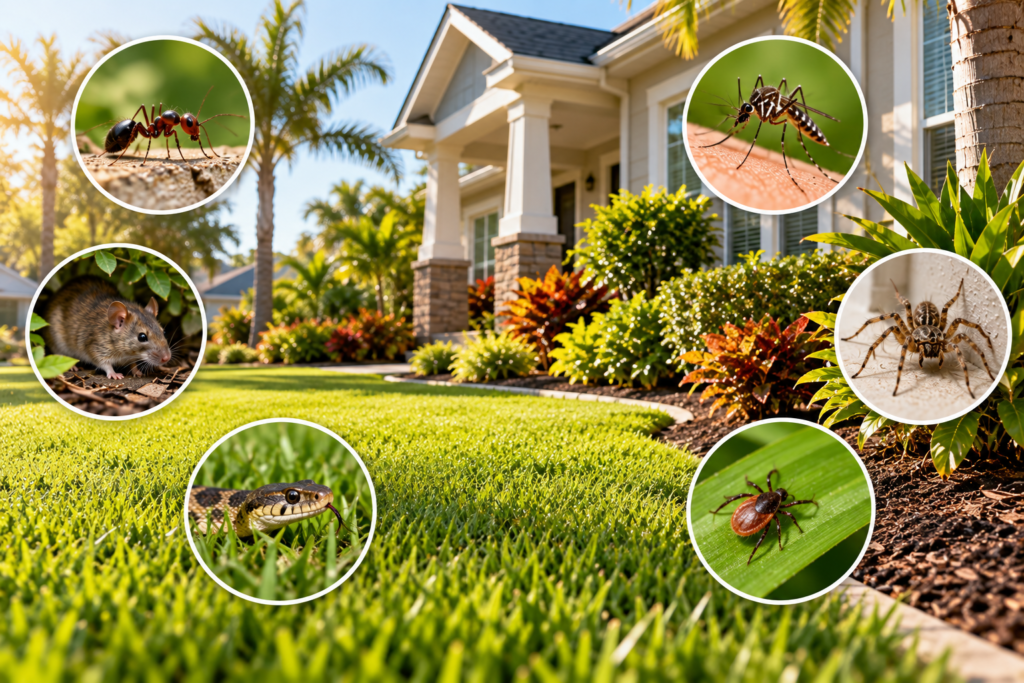
A healthy yard does more than improve appearance. In Florida, the way grass, soil, moisture, weeds, and vegetation are managed can influence how easily pests find shelter and resources around a property. Warm temperatures, frequent rainfall, irrigation, and dense landscaping can keep outdoor pest pressure active through much of the year, which makes lawn care an important part of a broader prevention strategy. Our team looks at the lawn as one part of the entire property rather than an isolated outdoor feature. Ants, cockroaches, mosquitoes, rodents, snakes, spiders, ticks, fleas, wasps, earwigs, beetles, and flies can all be affected by conditions in yards and landscaped areas. When routine lawn care improves visibility, drainage, turf condition, and vegetation management, professional pest-control work can be more focused and efficient. Manage Moisture and Vegetation Around the Yard Moisture is one of the most important outdoor conditions to evaluate. Irrigation, rainfall, shaded soil, clogged drainage areas, and damp mulch can create persistent wet zones. These areas may support mosquitoes, cockroaches, ants, earwigs, and other pests, while dense vegetation can provide cover for spiders, rodents, snakes, ticks, and fleas. Our technicians consider moisture and plant growth together because reducing one problem while ignoring the other may leave suitable shelter in place. Our guidance on yard pest activity also explains why water, vegetation, debris, food sources, and structural access should be evaluated as connected conditions. Good lawn care does not eliminate every pest pressure, but it can remove some of the conditions that make inspection and treatment more difficult. A cleaner, more visible yard also helps our specialists identify trails, webs, nests, standing water, and other evidence earlier. Support Stronger Turf and Reduce Weedy Harborage Thin turf, bare patches, and uncontrolled weeds can make a yard harder to monitor. The current service scope includes lawn care, weed control, and fertilizer applications intended to support thicker, healthier grass. Stronger turf does not make a property pest-proof, but consistent maintenance can reduce neglected spaces and help reveal developing problems sooner. Weed management is especially useful because overgrown areas can create shade, hold moisture, and make it easier for pest activity to remain unnoticed. Fertilizer and lawn treatments should also be matched to the property’s soil and seasonal conditions rather than treated as a one-time correction. From a pest-prevention perspective, these steps improve inspection access and reduce the number of unmanaged areas where activity can build quietly. They also support a more organized approach in which lawn conditions and pest findings can be assessed together instead of as separate concerns. Coordinate Lawn Conditions With Targeted Pest Control Better results come from connecting lawn observations with evidence-based pest service. A yard may look healthy overall while still containing a wet corner, shaded pet area, dense planting bed, or protected edge where pests remain active. That is why our team relies on inspection before deciding where treatment or prevention measures should be concentrated. Our eco-friendly pest control reinforces this approach. Inspection, accurate identification, targeted treatment, sanitation, exclusion, monitoring, and follow-up can reduce unnecessary applications while focusing on the places where activity is confirmed. This property-wide view helps keep prevention practical. Lawn care can improve turf health and reduce favorable outdoor conditions, while trained technicians determine which pest species are present and what control method fits the evidence. The two efforts support each other when they are coordinated instead of handled independently. Professional oversight is particularly useful in Florida because outdoor conditions can change quickly after storms, heavy growth, or irrigation adjustments. Ongoing evaluation allows our specialists to compare current findings with earlier visits and refine the plan when new pressure appears. That creates stronger long-term prevention than repeatedly reacting to visible pests without addressing the yard conditions that help sustain them. Build a Healthier Yard and Stronger Defense Consistent lawn care can support better pest prevention by improving turf condition, reducing shelter, and making problem areas easier to identify. For professional lawn and pest support built around Florida property conditions, contact Protek Pest Control.