
Why Certified Technicians Matter In Pest Control
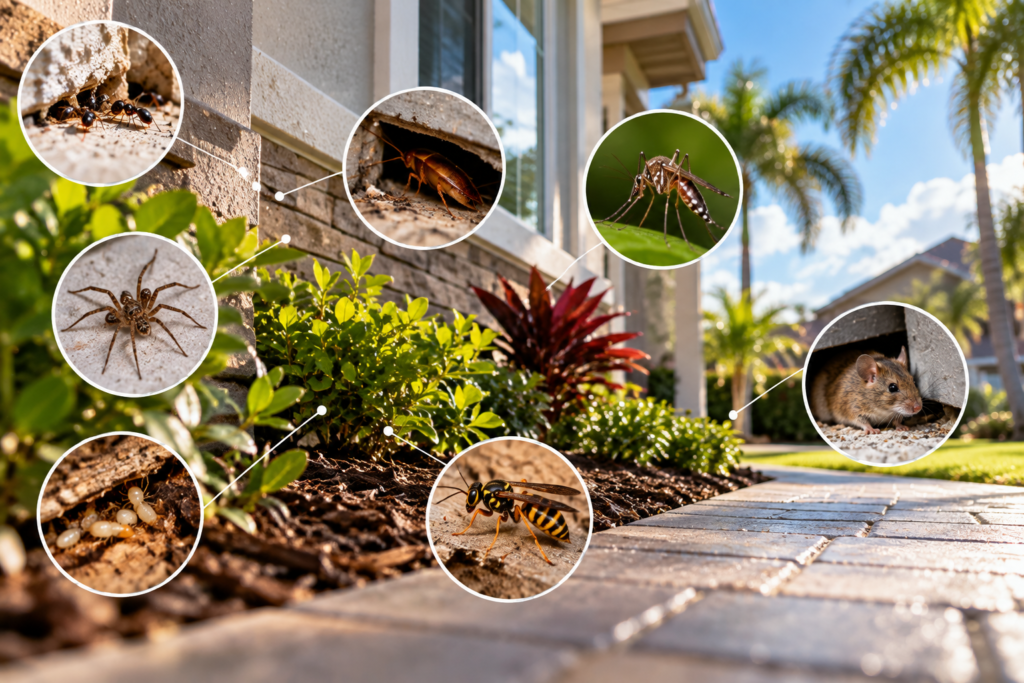
Effective pest control depends on more than choosing a product and applying it where pests are visible. In Palm Bay and other Florida communities, warm temperatures, humidity, rainfall, landscaping, and year-round activity can support ants, beetles, cockroaches, earwigs, flies, mosquitoes, rodents, snakes, spiders, ticks, fleas, and wasps. Each of these pests behaves differently and requires a different inspection and treatment strategy. Our team relies on certified technicians because training, licensing, and field experience shape every decision made on a property. Accurate identification, careful product selection, proper placement, and follow-up all matter when the goal is to control pests efficiently without treating areas that do not need attention. Certification helps support a more consistent, evidence-based approach from the first inspection through long-term monitoring. Certified Technicians Start With Accurate Pest Identification The first step in professional pest control is confirming what pest is actually present. Similar-looking insects can have very different habits, nesting sites, and treatment needs. Ants may be following food trails, cockroaches may be hiding near moisture, and rodents may be using attic or wall spaces that are far from the room where signs first appear. Our guide to a professional pest inspection explains why technicians examine pest evidence, entry points, moisture, shelter, and surrounding conditions before building a treatment plan. A trained inspection may include: Accurate identification reduces guesswork and helps ensure the treatment method matches the actual pest and activity level. Training Supports Safer, More Precise Treatment Decisions Certified technicians are trained to read product labels, understand application requirements, and consider how treatment fits the property. That matters in homes with children, pets, gardens, outdoor living areas, or frequently used spaces. Product choice is only one part of the process. Placement, timing, preparation, and re-entry instructions also affect how a treatment should be carried out. Professional service may involve: This level of precision helps keep pest control focused. It also gives property owners a clearer understanding of why a method was selected and what to expect after service. Certification Also Supports Prevention And Eco-Conscious Planning Long-term results often depend on more than eliminating the pests that are visible today. Food, water, shelter, landscaping, drainage, and structural access can continue supporting pest pressure if they are not addressed. Certified technicians are better positioned to connect those conditions with the infestation and recommend practical next steps. Our article on eco-conscious pest solutions explains why targeted placement, prevention, and follow-up can reduce unnecessary treatment while still addressing active pest problems effectively. A prevention-focused plan may include: Certified technicians can also recognize when a problem requires a different strategy. A mosquito issue may involve breeding-site reduction, while rodents may require trapping and exclusion. Wasps may need nest-focused treatment, and cockroaches may require precise work around concealed harborages. Using the wrong method can waste time and allow the infestation to continue. Follow-up is another reason certification matters. A professional technician creates a baseline during the first inspection, then compares later findings with what was documented earlier. If pest activity shifts, treatment can be adjusted based on evidence rather than repeated automatically. Florida properties can experience changing pest pressure after rain, landscaping work, construction, deliveries, or seasonal movement. Ongoing monitoring helps our team determine whether a problem is improving, returning in the same location, or developing in a new area. Certified technicians also bring accountability to the process. Licensing and training standards help ensure that treatments are performed according to professional requirements and that technicians understand the responsibilities involved in using pest-control products around homes and businesses. The strongest pest-control programs combine technical knowledge with careful observation. Certification supports both. It gives technicians the foundation to identify pests accurately, select appropriate methods, communicate safety instructions, and make adjustments as conditions change. Certification also supports clearer communication when several pest pressures overlap. A technician can explain which findings are active, which conditions are contributing, and which recommendations should be prioritized. That helps keep service organized and prevents unrelated sightings from being treated as though they all have the same source or require the same response. Put Professional Training Behind Your Pest Protection If you want pest control guided by licensed, trained, and certified technicians, contact Protek Pest and Lawn for professional inspection, targeted treatment, prevention, and reliable follow-up.