

What Attracts Ants And Roaches During Summer Months
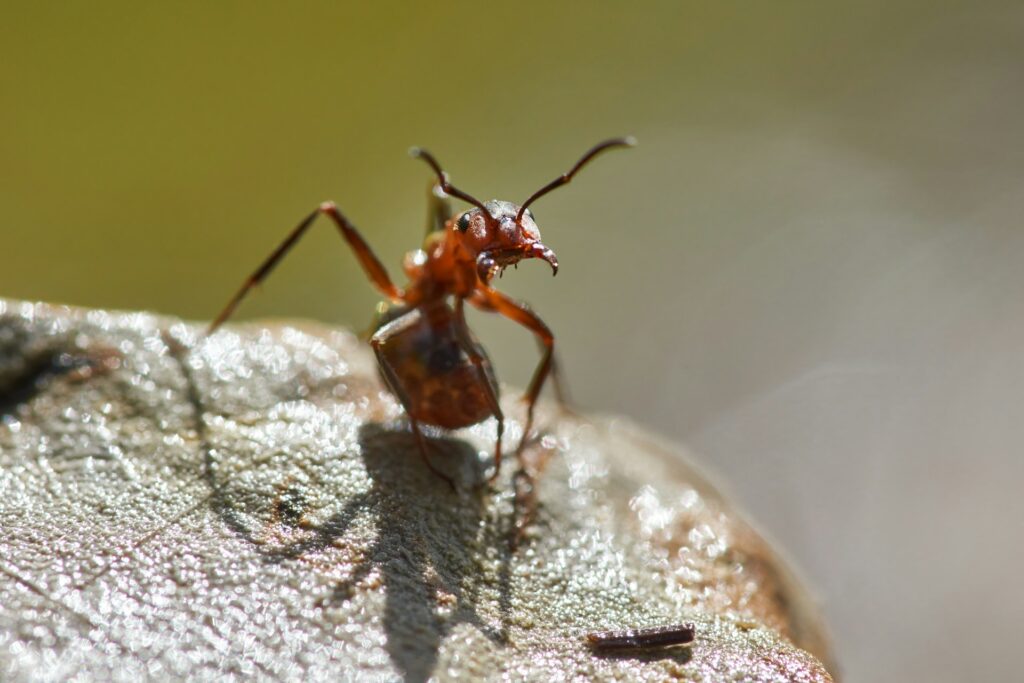
Summer creates ideal conditions for ants and roaches around Florida homes. Heat speeds up pest movement, afternoon storms add moisture, and busy household routines leave more food, water, and open doors around the property. A few ants near a sink or one roach in a cabinet may look like an isolated problem, but summer activity often means pests have found conditions that help them survive. Effective pest control starts with identifying what is attracting them. Ants usually follow food, moisture, and colony routes. Roaches look for warmth, darkness, water, and protected hiding places. The same conditions can also support earwigs, flies, spiders, fleas, ticks, wasps, mosquitoes, rodents, snakes, beetles, and lawn weeds. When summer pressure rises, the smartest response is to understand the property as one connected system. Heat And Humidity Increase Pest Movement Florida heat does not simply make ants and roaches more noticeable. It also changes how they search for food, water, and shelter. Ant colonies can expand their foraging routes, while roaches may move toward kitchens, bathrooms, garages, and laundry areas where temperatures and moisture are easier to manage. Summer weather can also increase mosquitoes, flies, spiders, fleas, ticks, wasps, and rodents around the home. When several pests become active at once, inspection helps reveal whether the issue is seasonal, moisture-related, or tied to hidden access points. Food Sources Keep Trails And Hiding Spots Active Ants and roaches can survive on small amounts of food. Crumbs, grease film, pet food, trash residue, spills, pantry debris, and outdoor cooking areas can all keep them returning. Ants may form visible trails after finding a reliable source, while roaches often feed at night and remain hidden during the day. A guide to summer pest pressure helps explain why warm months can make food-related activity more persistent. Outdoor gatherings, cookouts, open trash areas, and frequent door traffic can all increase pest opportunities. Professional evaluation matters because food sources are not always obvious. Roaches may feed behind appliances or around drains. Ants may enter from a colony outside and appear only where the trail ends. Finding the attraction is more useful than reacting to each sighting separately. Moisture Gives Pests A Reason To Stay Water is one of the biggest reasons ants and roaches remain active indoors. A small leak, damp cabinet, condensation, overwatered plant, or wet exterior edge can support repeated activity. Roaches are especially drawn to moisture near sinks, dishwashers, bathrooms, and laundry rooms. Ants may also trail toward water when outdoor conditions become hotter and drier. Moisture can also support earwigs, mosquitoes, flies, spiders, and rodents. When water is part of the problem, a surface-level response may not provide lasting results. A technician can connect pest activity with plumbing, drainage, landscaping, and humidity patterns. Entry Points: Turn Outdoor Pressure Into Indoor Problems Ants and roaches often begin outside, then move indoors through tiny openings. Door gaps, window frames, utility penetrations, garage seals, vents, cracks, and gaps around pipes can all allow movement. Once pests find food or moisture, they may use the same routes repeatedly. For ants, source-focused colony control is important because visible trails may represent only a small part of the problem. Treating the line of ants without understanding the colony, entry route, and food source may lead to repeated activity. Entry-point review is also useful for roaches, spiders, rodents, wasps, snakes, and other pests that use structural weaknesses. Professional inspection helps identify which openings are active and which conditions are drawing pests toward the home. Long-Term Control Depends On Source Awareness Summer pest activity can return quickly if the source is not addressed. Ants may rebuild trails. Roaches may remain hidden in cracks and voids. Moisture may continue near plumbing or landscaping. Food residue may collect in hard-to-reach spaces. A long-term plan looks at all of these conditions together instead of focusing only on the insects seen that day. A strong pest control plan considers ants and roaches along with cockroaches, earwigs, flies, spiders, fleas, ticks, wasps, mosquitoes, rodents, snakes, beetles, and weeds. When the source is identified, treatment becomes more precise, prevention becomes more practical, and summer pest pressure becomes easier to manage. Keep Summer Pest Pressure From Taking Over For pest control that considers Florida heat, food sources, moisture, entry points, and recurring ant and roach activity, contact Protek Pest and Lawn for professional support shaped around long-term home protection.
How To Stop Ant Colonies From Returning To Your Home
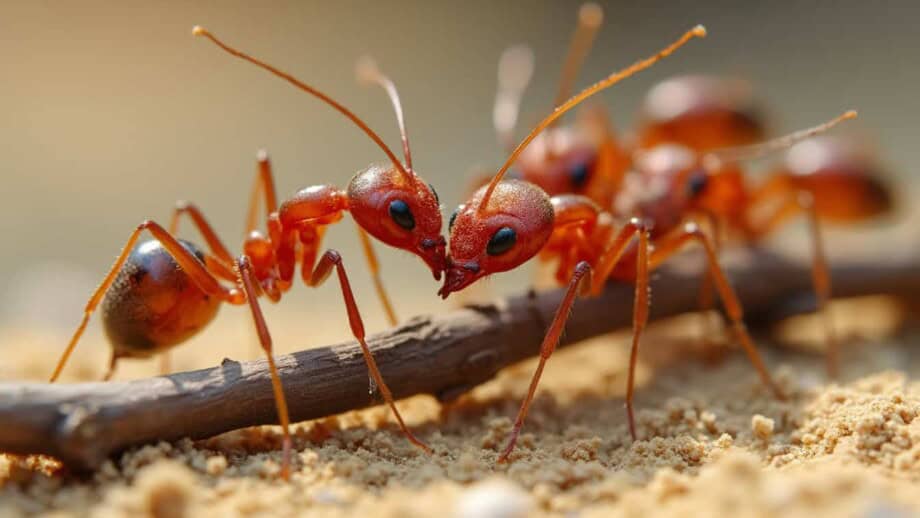
Ants can make a clean home feel strangely vulnerable. A few appear near the sink, then a line forms along the baseboard, and soon the same trail returns. Visible ants are only one part of the colony’s larger system. Workers follow scent trails, gather food, locate moisture, and report back to the nest. Effective ant control focuses on the source, not only the trail. In Florida’s warm, humid environment, ants stay active around kitchens, bathrooms, patios, lawns, and foundation edges. Homes may also face pressure from cockroaches, mosquitoes, rodents, spiders, ticks, fleas, flies, beetles, earwigs, snakes, bees, and wasps when moisture, openings, or outdoor conditions support pest activity. Find The Source Before The Trail Reforms Ant trails are communication lines. When workers find food or water, they leave a chemical path that guides other ants to the same spot. Cleaning the trail may reduce activity for a moment, but the colony can rebuild movement if the source remains active. The first step is understanding where ants are coming from and why they chose that route. Professional inspections often reveal details that casual observation misses, including gaps behind trim, movement along plumbing lines, nesting near mulch, or activity around damp soil. Important source clues include: Once the source is understood, treatment can be placed with more purpose. This keeps the response from becoming a short-lived surface effort. Reduce Conditions That Invite Ants Back Long-term ant prevention depends on reducing the conditions that make the home attractive. Ants often return because the same food, water, shelter, or access points remain available after the first wave disappears. A property may look orderly while still offering crumbs, hidden moisture, or small exterior gaps. Seasonal pressure makes this even more important. This guide on spring pest pressure explains how changing weather can increase pest movement and make prevention more necessary. Helpful prevention priorities include: These steps support control, but they work best when paired with a professional treatment plan that targets the colony, not just the kitchen trail. Use Professional Treatment For Colony-Level Control Ant colonies are organized and persistent. Some colonies have satellite nests, multiple entry points, or routes that shift when disturbed. A product applied in the wrong place can scatter activity or cause ants to move deeper into hidden areas. This is why colony-level control requires identification, placement, and follow-through. Professionals evaluate the ant species, nesting behavior, building layout, and surrounding lawn conditions before choosing a plan. The treatment may involve targeted applications, exterior barrier work, bait placement, monitoring, and recommendations for structural or moisture improvements. If other pests are present, the inspection can also reveal the following pests: cockroach, rodent, mosquito, spider, tick, flea, bee, wasp, fly, beetle, earwig, or snake. A strong professional approach may include: This approach helps prevent repeated one-time attempts that never interrupt the colony. Keep Protection Consistent After Activity Drops Ant activity may decline quickly after treatment, but that does not mean the home should be forgotten. Weather changes, irrigation, lawn growth, nearby construction, or food availability can create new pressure. Regular monitoring helps catch early movement before trails become established again. Consistency also matters because a pest-free-looking home may still have vulnerabilities. Certified technicians can review whether earlier entry points remain sealed, whether moisture has returned, and whether outdoor pest conditions are changing. Information about service guarantees also shows why dependable follow-up is part of effective pest management. The best long-term results come from treating ant control as a property-wide process. When indoor care, lawn conditions, moisture management, exclusion, and monitoring work together, ants have fewer reasons to return. Keep Ant Colonies From Rebuilding Their Path Ants return when the colony still has access, food, moisture, or shelter. A professional inspection and targeted plan can address the hidden source while helping protect the home from future activity. For reliable ant control and long-term pest support, contact Protek Pest and Lawn.