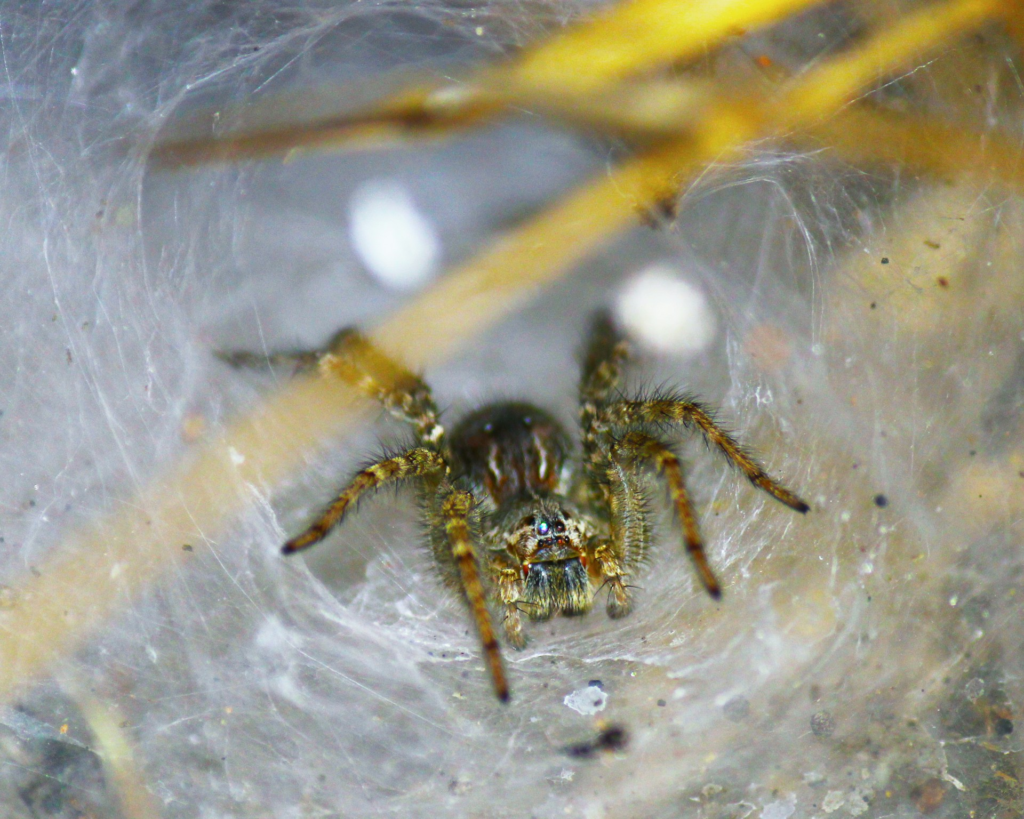
As the temperatures start to drop, spiders begin searching for warm, sheltered places to build their webs. For homeowners, this often means unexpected encounters in garages, attics, basements, and even living spaces. Understanding where spiders cluster and how to manage these early hubs can help you prevent a larger infestation before fall fully sets in.
Spider control becomes most effective when applied before their cold-season migration indoors begins. Knowing how to identify early warning signs and hotspot locations helps you stay one step ahead.

Why Spiders Gather in the Fall
Unlike other insects that die off in cold weather, spiders seek warmth and shelter during fall. The shift in temperature prompts them to leave gardens and outdoor structures in search of new nesting areas. Homes, sheds, and garages provide ideal refuge.
Several environmental factors encourage spider congregation during this season:
- Temperature changes: Cooler nights drive them toward indoor warmth.
- Food availability: Flies, mosquitoes, and small insects that gather indoors attract spiders looking for easy prey.
- Moisture and shelter: Damp basements, crawl spaces, and cluttered storage areas offer protection and ample nesting sites.
Without proper intervention, these “spider hubs” grow rapidly and lead to visible webs, egg sacs, and ongoing infestations.
Common Places Where Spider Hubs Form
Understanding where spiders are most likely to hide is the first step toward effective spider control. Their preferred locations share three common traits: low traffic, minimal light, and consistent warmth.
Some of the most common spider hub zones include:
- Basements and crawl spaces: Spiders spin webs in corners, behind stored boxes, and near plumbing lines.
- Attics and garages: These offer both shelter and insect prey, especially if ventilation is poor.
- Outdoor lighting areas: Porch and garage lights attract insects, providing a convenient feeding ground.
- Closets and unused rooms: Spiders prefer dark, quiet spaces where they can build undisturbed webs.
- Window corners and vents: Small gaps give them easy access indoors.
As autumn approaches, inspecting these areas regularly helps prevent major infestations before they settle in for the colder months.
How to Spot Early Spider Activity
Early detection is critical to preventing a seasonal takeover. Spiders are skilled at hiding, but their presence can often be spotted through small clues around your property.
Here are signs that spider hubs may already be forming:
- Web clusters: Multiple webs in corners or around light fixtures signal established breeding zones.
- Egg sacs: These round, silken pouches usually contain hundreds of spider eggs ready to hatch.
- Increased insect activity: A sudden rise in flies, moths, or mosquitoes can attract spiders indoors.
- Shed exoskeletons: Finding these indicates an ongoing growth cycle within your home.
- Unexpected sightings: Spotting spiders in the daytime often means overcrowding in their hidden nests.
Identifying and addressing these signs early is key to breaking the cycle. Waiting until temperatures drop further only gives them more time to multiply.
If you’re unsure when to intervene, this expert discussion on preparing for fall pests explains how early inspections prevent indoor pest migration before the cold season begins.
Why DIY Spider Treatments Fall Short
Many homeowners turn to over-the-counter sprays or home remedies to manage spiders. While these methods may reduce visible webs temporarily, they rarely eliminate the root of the problem.
The limitations of do-it-yourself solutions include:
- Incomplete coverage: Store-bought products rarely reach hidden nesting zones behind walls or insulation.
- Short-term effects: Most sprays lose effectiveness quickly, requiring frequent reapplication.
- Health risks: Chemical misuse can lead to respiratory irritation or accidental pet exposure.
- Ignored egg sacs: DIY cleaning often overlooks reproductive clusters that restart infestations in weeks.
- Lack of prevention: Killing spiders without addressing entry points allows new ones to move in.
Professionals, on the other hand, combine targeted applications with exclusion methods that remove both active spiders and the conditions attracting them. Understanding why DIY pest control fails can help homeowners recognize when expert help becomes the safer and more cost-efficient choice.
Building a Long-Term Spider Prevention Strategy
Once spider hubs are located and cleared, prevention becomes the focus. The goal is not only to remove existing spiders but also to discourage future infestations as cooler weather arrives.
To maintain year-round protection:
- Seal gaps and cracks: Pay attention to door frames, vents, and utility entry points.
- Reduce clutter: Remove old boxes, papers, and debris where spiders may hide.
- Eliminate insect prey: Fewer insects mean fewer spiders seeking food indoors.
- Keep lighting minimal: Outdoor lights attract insects, which in turn attract spiders.
- Schedule seasonal pest inspections: Regular maintenance ensures new infestations are caught early.
Each preventive measure contributes to a cleaner, safer home and minimizes the likelihood of spiders returning when fall transitions into winter.
Secure Your Home Before the Cold Sets In
The best time for spider control is before temperatures drop and pests move inside for warmth. By identifying early spider hubs and taking timely action, you can prevent uncomfortable infestations from spreading.For a comprehensive, professional approach that ensures lasting protection, contact Protek Pest and Lawn. Our expert technicians specialize in identifying and treating hidden problem areas, giving you peace of mind as the seasons change.