

Why Florida Weather Creates Ideal Conditions For Pests
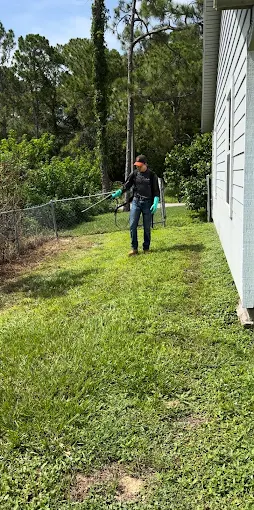
Florida’s climate gives pests something many other regions cannot provide consistently: warmth, moisture, vegetation, and long periods of biological activity. In places such as Palm Bay and surrounding communities, seasonal changes may alter which pests are most noticeable, but they rarely create a complete break in pest pressure. Ants, cockroaches, mosquitoes, spiders, fleas, ticks, rodents, flies, earwigs, beetles, wasps, and other pests can remain active when conditions stay favorable. Professional pest control works best when it accounts for those environmental patterns. Heat, rainfall, humidity, irrigation, and landscaping all influence where pests feed, breed, rest, and enter structures. Understanding those relationships helps explain why Florida homes often need prevention and monitoring throughout the year rather than attention only after a noticeable infestation appears. Warmth And Moisture Keep Pest Activity Going Florida’s long warm season allows many insects to remain active for extended periods. High humidity also supports moisture-dependent pests, while frequent rain can create new breeding sites or drive insects away from saturated areas and toward homes. Even during cooler months, temperatures may remain mild enough for activity to continue. Weather-related conditions that can increase pest pressure include: The yard often becomes the first place where these conditions combine. Dense vegetation, excess moisture, debris, and shaded areas can support insects close to foundations and entry points. Learning how to reduce yard pest activity helps show why outdoor conditions should be considered part of the overall pest-management picture. Professional inspection can identify which environmental factors are contributing most heavily to current activity. That allows treatment to focus on real pressure points instead of applying the same approach to every property. Rainfall And Landscaping Create Constant Opportunities Rain is essential to Florida landscapes, but it can also create highly favorable conditions for pests. Water may collect in gutters, planters, low spots, irrigation zones, and shaded areas. Moist soil can support insect populations, while thick vegetation provides shelter from heat and predators. Common property conditions that deserve attention include: These conditions can affect several pests at once. Mosquitoes may develop in standing water, cockroaches may gather near damp shelter, ants may relocate after heavy rain, and spiders may follow increased insect prey. Rodents can also take advantage of dense landscaping and food sources near structures. This is why pest control in Florida often requires a property-wide view. Treating one indoor room may not solve a problem that begins in the yard, around drainage, or along the foundation. Professionals can connect indoor sightings with exterior conditions and determine which areas need treatment, monitoring, or prevention. Year-Round Protection Requires A Smarter Long-Term Plan Florida pest pressure changes with the season, but it does not follow a simple on-and-off cycle. Mosquitoes may be especially noticeable during hot, wet periods, while rodents can become more active around structures when weather or food availability shifts. Cockroaches, ants, spiders, fleas, ticks, wasps, and other pests may also respond differently to rainfall, heat, and shelter. A professional long-term plan may include: Professional service can also account for family and pet considerations when treatment is selected and applied. An eco-conscious approach can combine careful product selection with inspection, targeted placement, and ongoing prevention rather than relying on unnecessary applications. Consistency matters because Florida conditions can change quickly. A dry period may reduce one type of activity, followed by heavy rain that creates new moisture and breeding areas. Landscaping grows, seals wear, and stored items shift, creating fresh shelter or access points over time. That is why one-time treatment may not address recurring pressure. Professional pest control is more effective when technicians can compare activity across visits, identify new patterns, and adjust the plan before pests become established in additional areas. The goal is not to eliminate every insect from the outdoor environment. It is to reduce pest pressure around the home, interrupt access, and address conditions that allow infestations to develop indoors. In Florida, where warm and humid weather can support activity through much of the year, that prevention-first approach provides a more practical path to long-term protection. Stay Ahead Of Florida’s Year-Round Pest Pressure If changing weather keeps bringing pests closer to your home, contact Protek Pest and Lawn for professional pest control focused on inspection, targeted treatment, prevention, and year-round protection.
How To Reduce Pest Activity Around Your Yard
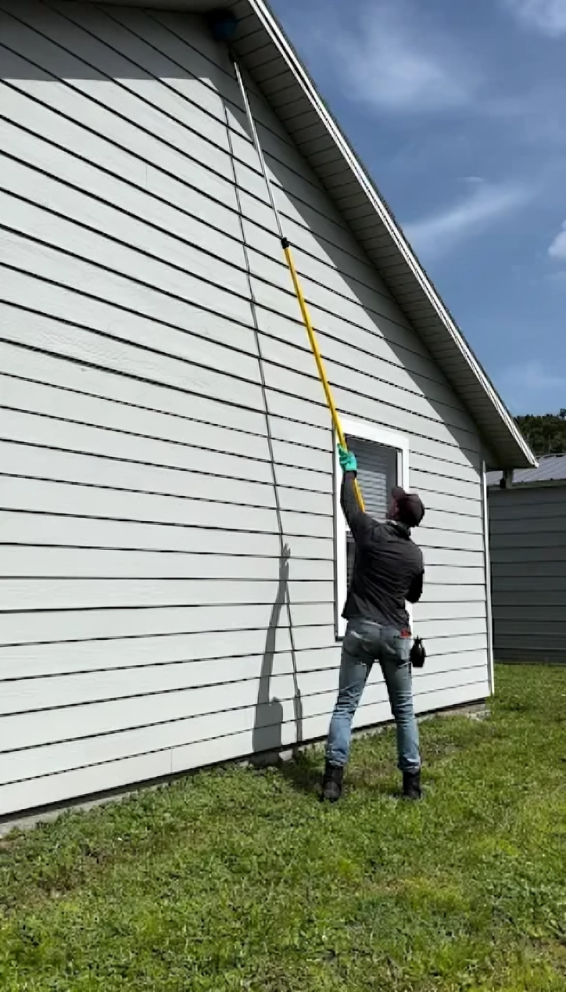
A Florida yard can support pest activity throughout much of the year because warmth, rainfall, humidity, irrigation, and dense landscaping create dependable food, water, and shelter. Ants, beetles, cockroaches, earwigs, flies, mosquitoes, rodents, snakes, spiders, ticks, fleas, and wasps may all use outdoor areas before moving closer to the home. Effective pest control starts by treating the yard as part of the property rather than a separate space. Professionals look at moisture, vegetation, debris, food sources, and structural access together so treatment can focus on the conditions that are actually supporting activity. Manage Moisture Before It Supports More Pest Activity Water is one of the strongest drivers of pest pressure around Florida yards. Rain, irrigation, leaking hoses, clogged drainage areas, and containers that hold water can create favorable conditions even when the rest of the property appears dry. Areas worth monitoring include: Mosquitoes can breed around standing water, while cockroaches, ants, earwigs, and other pests may use damp shelter nearby. Guidance on cockroach activity also shows why moisture reduction works best when combined with sanitation, exclusion, and inspection. Professional evaluation helps distinguish routine yard moisture from conditions that are directly contributing to recurring pest activity. Reduce Shelter Near The Home And Outdoor Living Areas Yards become more attractive to pests when vegetation, debris, stacked materials, and shaded corners create low-disturbance hiding places. Thick growth near siding can hold moisture and give insects, rodents, snakes, and spiders cover close to doors and foundation gaps. The goal is not to remove landscaping. It is to keep the area around the structure visible and easier to inspect. When shrubs press against walls, or stored materials sit beside the garage for long periods, pest movement can remain hidden until activity reaches the interior. Professional pest control considers how shelter connects with food, moisture, and entry points. A spider problem near a patio may be tied to insect prey, while rodent or snake activity may relate to protected areas and the presence of smaller animals nearby. Limit Food Sources That Keep Pests Returning Outdoor food can sustain pest activity even when the home itself is kept clean. Trash residue, pet food, fallen fruit, organic debris, and food left after outdoor meals can attract insects and rodents. Common food-related risks include: Ants, cockroaches, flies, rodents, and wasps may all respond to dependable food sources. Reducing those attractants helps make professional treatment more efficient because pests have fewer resources supporting continued activity. If a food source is repeatedly attracting pests, technicians can evaluate whether a nearby nest, colony, harborage, or travel route also needs to be addressed. Keep Entry Points From Turning Yard Activity Into Indoor Problems Outdoor pest activity becomes more disruptive when insects or rodents find dependable access into the home. Florida properties can develop gaps around doors, windows, vents, utility lines, garage seals, and foundation transitions over time. A broader Florida prevention plan explains why exclusion is most effective when it follows inspection. Ants, cockroaches, spiders, earwigs, beetles, and rodents may use different routes, so the same repair strategy does not apply everywhere. Professional inspections help identify which openings show evidence of pest movement. This keeps repairs focused and reduces the chance of overlooking an active route while spending time on gaps that are not contributing to the problem. Use Ongoing Monitoring To Keep Yard Pressure From Rebuilding Pest activity around a yard can change quickly after storms, irrigation changes, landscaping growth, or seasonal temperature shifts. A quiet area in one month may develop mosquito, ant, cockroach, spider, flea, tick, wasp, or rodent activity later. A long-term plan may include: Professional pest control adds value by creating continuity. Technicians can compare current findings with earlier visits and determine whether the same conditions are returning or whether a new pressure point has developed. Reducing pest activity around the yard is most effective when moisture, shelter, food, access, and seasonal changes are managed together. One-time reactions may reduce what is visible, but they do not always address why pests remain nearby. A property-wide approach makes treatment more precise and helps keep outdoor activity from becoming an indoor infestation. Keep Your Yard From Becoming A Pest Hot Spot If recurring pest activity is building around your yard, contact Protek Pest and Lawn for professional inspection, targeted pest control, prevention, and long-term monitoring tailored to Florida conditions.
What To Expect From A Professional Inspection For General Pests

A professional inspection is the foundation of effective pest control because it looks beyond the insect or animal that happens to be visible. In Palm Bay, warm temperatures, humidity, rainfall, landscaping, and year-round activity can support ants, beetles, cockroaches, earwigs, flies, mosquitoes, rodents, snakes, spiders, ticks, fleas, and wasps at different times. Instead of assuming every sighting has the same cause, technicians examine how pests are entering, where they are sheltering, and which conditions are helping them remain active. That process gives homeowners a clearer picture of what is happening and helps keep treatment focused on the areas that actually need attention. A Professional Starts With Pest Identification And Activity Signs The first step is confirming what pest is present. Different pests leave different clues, and accurate identification affects every decision that follows. An ant trail, roach dropping, rodent rub mark, spider web, wasp nest, or flea problem points to a different source and treatment strategy. During the inspection, technicians may look for: A careful inspection also supports more selective service. The discussion of eco-conscious treatments explains why identifying the source first can reduce unnecessary treatment across areas where no pest activity is present. Entry Points And Structural Weaknesses Are Checked Closely Many general pests reach living spaces through small openings that are easy to overlook. Doors, vents, rooflines, utility penetrations, cracks, and gaps around the structure can all become travel routes. A professional inspection follows those routes instead of focusing only on the room where a pest was noticed. Rodents may move through attic or wall spaces, cockroaches can hide behind cabinets and appliances, and spiders often remain where insect prey is available. Technicians also consider how the building connects to surrounding landscaping, drainage, storage, and exterior shelter. This whole-property view can reveal why pests keep returning even after visible activity temporarily declines. It also helps determine whether exclusion, sanitation changes, moisture correction, or targeted treatment should be part of the plan. Moisture, Food, And Shelter Conditions Are Evaluated Pests stay where basic resources are dependable. Florida properties can provide those resources through humidity, irrigation, leaks, outdoor growth, pet supplies, stored food, trash, and shaded areas. An inspection may evaluate: These findings help explain why pest control is more effective when contributing conditions are addressed alongside treatment. A roach problem near a kitchen may involve moisture and food access, while fleas and ticks may be connected to shaded outdoor areas, pets, or wildlife movement. The goal is to understand what is supporting activity so recommendations are practical and specific to the property. Treatment Recommendations Are Matched To The Actual Problem After the inspection, the technician can build a plan based on the pest, activity level, location, and contributing conditions. This prevents one-size-fits-all treatment and keeps attention on confirmed problem areas. A professional plan may involve baits, targeted applications, traps, exclusion work, mosquito source reduction, web removal, nest-focused treatment, or follow-up monitoring. Product choice and placement can also account for areas used by children, pets, or customers. This approach is consistent with year-round protection because Palm Bay pest pressure changes with rain, heat, landscaping, construction, and seasonal movement. A home that appears quiet for several weeks can develop new activity when conditions shift. Professional recommendations should therefore explain what will be treated, why the method was selected, and what changes may help reduce future pressure. Follow-Up Helps Confirm Whether Pest Control Is Working An inspection is not only about deciding what to do on the first visit. It also creates a baseline that can be compared with later findings. Follow-up makes it possible to see whether activity is declining, shifting, or returning in the same locations. During follow-up, technicians may: This ongoing record is especially useful in a warm climate where pests can remain active through much of the year. Instead of repeating the same treatment automatically, professionals can follow the evidence and make adjustments as conditions change. A thorough inspection gives homeowners more than a pest name. It connects visible signs with entry routes, environmental conditions, hidden activity, and treatment options. That makes pest control more efficient and helps prevent small problems from becoming recurring infestations. Start With A Clearer Picture Of The Problem For a detailed inspection, customized pest control plan, eco-conscious treatment options, and dependable follow-up, contact Protek Pest and Lawn for professional help tailored to Palm Bay properties.
Tips on Reducing Cockroach Activity Around Your Property
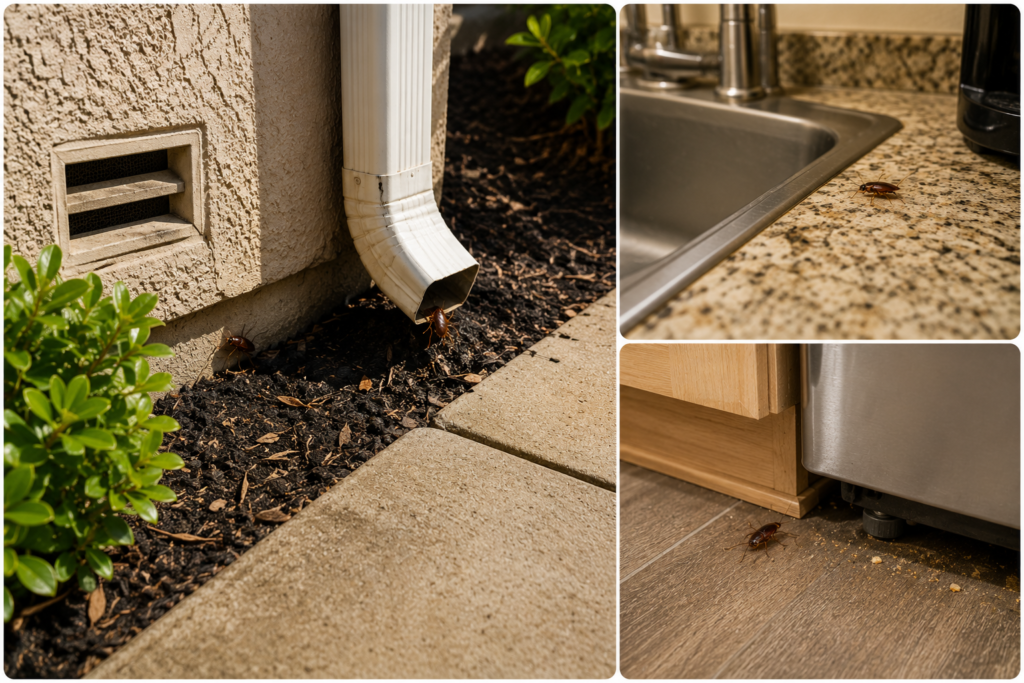
Cockroaches are persistent pests because they can survive in narrow spaces and take advantage of small amounts of food, water, and shelter. Florida’s warm, humid conditions can make properties especially attractive when kitchens, bathrooms, garages, landscaping, or utility areas provide steady resources. Reducing activity requires more than reacting to the insects that are visible. Effective pest management focuses on the conditions that support a pest infestation, the places cockroaches hide, and the routes they use to move through a property. Professional inspection can help identify those patterns and determine where targeted treatment will be most useful. Reduce Food Sources Indoors And Around The Property Cockroaches are opportunistic feeders. Crumbs, grease, pet food, trash residue, and food stored in easy-to-access packaging can all support activity, especially when those resources remain available overnight. Important food-management priorities include: Good sanitation does not guarantee that cockroaches will disappear, but it removes resources that help populations persist. Broader guidance on preventing pest infestations also shows why food control works best when combined with moisture reduction, exclusion, and routine inspection. Limit Moisture That Cockroaches Depend On Water is one of the most important factors behind cockroach activity. Leaking plumbing, condensation, damp cabinets, clogged drains, and wet exterior areas can create reliable moisture even when food is limited. Bathrooms, kitchens, laundry rooms, and utility spaces deserve particular attention because plumbing and humidity can keep hidden areas damp. Outdoor irrigation may also create moisture near foundations, mulch, or shaded landscaping. Professional pest control considers how moisture and shelter overlap. A cockroach found near a sink may be connected to a leak, an opening around plumbing, or a hidden harborage behind cabinetry. Correcting those conditions can make treatment more effective and reduce the chance that activity returns after the first service. In Florida, seasonal heat and humidity can also shift cockroach pressure quickly, making regular observation especially useful around high-moisture areas. Seal Entry Points And Reduce Indoor Hiding Areas Cockroaches can move through surprisingly small gaps. They may enter through doors, utility penetrations, wall voids, drains, or areas where exterior construction leaves openings around the structure. High-risk areas can include: Reducing clutter also makes monitoring easier because technicians can see droppings, egg cases, shed material, and movement patterns more clearly. Sealing confirmed access points should be based on inspection so hidden activity is not simply trapped in another part of the structure. Watch For Signs That Activity Is Increasing Cockroaches are mostly active at night, so a property can have a developing problem before homeowners see many insects during the day. Repeated sightings, especially in daylight, may indicate that hiding areas are crowded or that activity has become more established. Other cockroach warning signs can include droppings, egg cases, shed skins, unusual odors, and recurring activity around kitchens, bathrooms, or appliances. Looking at several signs together is more useful than relying on one sighting. Early professional evaluation helps determine whether the problem is limited to one area or connected to multiple harborage zones. That distinction matters because treatment should focus on the source, not only the rooms where insects happen to appear. Use Ongoing Monitoring To Prevent Repeat Problems Cockroach control is most effective when it continues beyond the first reduction in visible activity. Eggs may remain hidden, environmental conditions can change, and new cockroaches can enter if food, moisture, or access points are still available. A complete long-term approach may include: Professional service adds precision by matching treatment to the cockroach species, infestation level, and layout of the property. This is more efficient than using broad applications without knowing where activity is concentrated. The goal is not simply to remove the cockroaches that are visible today. Lasting control comes from reducing the food, water, shelter, and access that allow a pest infestation to persist. When those factors are managed together, properties become less favorable to recurring cockroach activity, and follow-up treatment can remain focused where it is actually needed. Make Hidden Cockroach Activity Easier To Control If cockroach sightings, droppings, or other warning signs keep appearing around your property, contact Protek Pest and Lawn for professional inspection, targeted treatment, prevention, and follow-up.
How To Prevent Pest Infestations In Florida Homes
Florida homes face pest pressure throughout the year because warm temperatures, rainfall, humidity, irrigated lawns, and dense landscaping can support activity in every season. Ants, cockroaches, earwigs, flies, mosquitoes, rodents, snakes, spiders, ticks, fleas, wasps, and beetles may all take advantage of favorable conditions around a property. Preventing a pest infestation requires more than reacting to a sighting indoors. The strongest approach combines moisture management, sanitation, exclusion, landscape care, monitoring, and professional inspection so small risks are addressed before they become recurring problems. Control Moisture Before It Attracts More Pests Moisture is one of the biggest drivers of pest activity in Florida. Heavy rain, leaking plumbing, damp mulch, clogged gutters, and overwatered landscapes can create reliable water sources close to the home. Areas worth checking include: Mosquitoes can develop around standing water, while cockroaches, ants, earwigs, and other pests may move toward damp shelter. Practical summer prevention steps can help homeowners understand how rain, heat, and landscaping combine to increase seasonal pest pressure. Correcting moisture problems makes the property less supportive of pests and helps other preventive measures work more effectively. Seal Entry Points Before Pests Move Indoors Florida homes contain many small openings that are easy to overlook. Gaps around doors, windows, garage seals, vents, utility lines, and foundations can give insects and rodents dependable routes inside. Rodents may use larger structural openings, while ants, cockroaches, spiders, earwigs, and beetles can take advantage of much smaller gaps. Snakes may also appear where outdoor shelter or prey is available near the structure. Exclusion works best when it is based on inspection rather than simply sealing every visible crack. A professional assessment can identify which openings show active pest movement and which areas are most likely to become future access points. Preventive pest control becomes more precise when technicians connect entry routes with nearby food, moisture, and shelter conditions instead of treating indoor sightings as isolated events. Keep Landscaping From Becoming Pest Shelter Outdoor conditions often determine how much pest pressure reaches the structure. Thick vegetation, weeds, debris, shaded corners, and poorly managed lawn edges can provide shelter for insects and other pests before they move closer to doors and patios. Helpful landscape priorities include: Mosquitoes, ticks, fleas, spiders, wasps, ants, earwigs, and beetles may all benefit from outdoor harborage. Reducing those conditions does not replace treatment when activity is established, but it lowers the amount of shelter pests can use close to the home. Use Year-Round Monitoring Instead Of Seasonal Guesswork Florida does not have the same long pest-free winter experienced in colder climates. Rainy weeks, dry periods, warm evenings, lawn growth, and changing indoor conditions can shift activity throughout the year. That makes year-round protection more practical than waiting for a pest infestation to become obvious. Regular monitoring gives technicians opportunities to notice new ant trails, cockroach activity, rodent evidence, mosquito breeding areas, wasp nesting, or other changes before they become harder to manage. Consistency also creates a useful record of what has been found and treated. If activity returns, previous findings can help determine whether the same pressure point is involved or whether property conditions have changed. This approach saves time because prevention can be adjusted as weather, landscaping, and structural conditions shift. Build A Prevention Plan Around The Whole Property Long-term protection works best when the home, yard, and surrounding conditions are treated as one connected system. Food, water, shelter, entry points, and seasonal activity can overlap, which is why a one-time response may not prevent the next problem. A complete prevention plan may include: Professional pest control adds value by helping identify which risks matter most for a property. A Palm Bay home near dense landscaping may face different pressure than a property with heavy irrigation, frequent standing water, or repeated rodent activity. The goal is not to make the property impossible for pests to approach. It is to reduce the conditions that allow them to settle, reproduce, and move indoors. Preventive inspection and targeted follow-up make that process more efficient and help stop minor activity from becoming a larger infestation. Keep Florida Pest Pressure From Taking Hold If you want to reduce the risk of a pest infestation before it becomes disruptive, contact Protek Pest and Lawn for professional inspection, targeted pest control, and year-round prevention tailored to your property.
Why Eco-Conscious Pest Solutions Are Growing In Demand

Homeowners increasingly want pest problems resolved without relying on more product than the situation requires. That expectation is especially relevant in Florida, where warm temperatures, humidity, rainfall, landscaping, and year-round insect pressure can keep ants, beetles, cockroaches, earwigs, flies, mosquitoes, rodents, snakes, spiders, ticks, fleas, and wasps active around homes and businesses. Eco-conscious pest control responds to this concern through accurate inspection, targeted placement, prevention, and follow-up. The goal is not to avoid effective treatment. It is to understand the pest, locate the source, select an appropriate method, and reduce unnecessary exposure across unaffected areas. This practical balance is one reason property owners are asking for more thoughtful, customized service. Families Want Treatment Matched To The Actual Problem Broad application is not always the most efficient response. Ant colonies, cockroach harborages, rodent entry routes, mosquito breeding areas, and wasp nests each require different inspection and treatment strategies. Professionals begin by identifying the pest and examining the conditions that support it. An eco-conscious inspection may evaluate: This property-specific approach allows treatment to remain focused. It also gives technicians a basis for explaining preparation, drying, reentry, and follow-up instructions before work begins. Household Priorities Are Changing Families are paying closer attention to how pest treatments fit into daily routines. Homes may include young children, older adults, pets, gardens, outdoor play areas, or people with particular sensitivities. The discussion of family-conscious protection shows why product selection and placement should be considered alongside effectiveness. Eco-conscious service does not mean that every product is risk-free or that precautions can be ignored. It means technicians use label-directed products, choose treatment zones carefully, and communicate how occupants should prepare and when treated areas can be used again. This measured approach helps households make informed decisions. It also replaces vague claims with clear guidance about where products are placed, why they are needed, and how the service limits unnecessary disruption. Prevention Can Reduce The Need For Repeated Treatment Pests often return when food, moisture, shelter, or access remains available. Eco-conscious management therefore includes correcting the conditions that allow infestations to develop. Prevention can make future treatment more precise by lowering the amount of pest pressure reaching the structure. A prevention-focused plan may include: Exterior barriers, mosquito source reduction, rodent exclusion, web removal, and nest-focused treatment can all support long-term control. These measures do not replace treatment when an infestation is active, but they help keep the same conditions from rebuilding immediately afterward. Hidden Infestations Require More Precise Decisions Visible pests may represent only a small portion of the problem. Ants can nest inside walls or soil, cockroaches hide behind appliances and cabinets, rodents travel through attics and voids, and spiders remain where insect prey is available. The limitations of surface-only treatment explain why repeated applications may fail when the source remains concealed. Professionals follow patterns rather than treating isolated sightings. They compare where pests appear, when activity occurs, and how the property connects indoor and outdoor shelter. This may lead to: Accurate identification also prevents unnecessary treatment. A flying insect near a window, for example, should be identified before a method is selected. Monitoring Makes Eco-Conscious Service More Effective Florida pest pressure changes with rain, heat, landscaping, construction, deliveries, and seasonal movement. A one-time service cannot account for every condition that develops later. Monitoring gives technicians a record of what was found, where treatment was placed, and which areas need renewed attention. During follow-up, professionals can inspect previous hotspots, adjust exterior protection, review traps or monitoring devices, and check whether moisture or access conditions have changed. If activity has shifted, treatment can follow the evidence rather than being repeated automatically across the property. Demand for eco-conscious pest control is growing because homeowners want both effectiveness and restraint. They expect pest problems to be handled thoroughly, but they also value targeted service, family- and pet-conscious planning, clear safety instructions, prevention, and accountable follow-up. The strongest programs combine professional-grade treatment with careful decision-making. By identifying hidden activity, addressing contributing conditions, and monitoring results, technicians can protect homes and outdoor spaces without treating every area as though it presents the same risk. Choose Protection With A More Thoughtful Footprint Contact Protek Pest and Lawn for professional inspection, customized pest control, eco-conscious treatments, prevention guidance, and dependable follow-up.
How Eco-Friendly Pest Control Protects Families And Pets
Eco-friendly pest control is not simply about choosing a product with a green label. It is a structured approach that reduces unnecessary exposure by combining accurate identification, targeted treatment, sanitation, exclusion, monitoring, and follow-up. Families and pets benefit when technicians apply the right method in the right place instead of treating large areas without clear evidence. Florida properties can face ants, beetles, cockroaches, earwigs, flies, mosquitoes, rodents, snakes, spiders, ticks, fleas, and wasps. Each pest behaves differently, so responsible service must account for nesting sites, entry routes, moisture, food sources, outdoor conditions, and the way people and animals use the property. Inspection Keeps Treatment Focused A careful inspection is the foundation of eco-conscious service. Technicians look for active pests, droppings, trails, nests, moisture, structural gaps, and other conditions that support an infestation. This prevents treatment from being placed where it is not needed. A professional inspection may evaluate: Accurate identification matters because ants, cockroaches, rodents, mosquitoes, fleas, ticks, spiders, and wasps require different strategies. A one-size-fits-all response can waste material, miss the source, and leave the property vulnerable to recurring activity. Certified Service Supports Responsible Decisions Training helps technicians understand product labels, pest biology, application methods, and property-specific precautions. It also supports clear communication about preparation, drying, reentry, and follow-up. Families should know what areas will be treated, why the treatment is appropriate, and when children or pets can safely return. The role of certified service guarantees also reflects the importance of accountability. A guarantee does not mean every pest disappears instantly or can never return. It generally means the provider stands behind the treatment plan, monitors results, and responds when covered activity continues. Professional judgment is especially valuable around pet zones. Technicians can consider where animals eat, sleep, walk, and play before selecting placement. This allows pest control to remain focused on confirmed harborages and travel routes instead of broadly treating commonly used surfaces. Low-Impact Methods Reduce Unnecessary Exposure Eco-friendly service relies on precision. The goal is to control pests while minimizing treatment in areas that do not require it. Depending on the infestation, professionals may use baits, traps, exclusion, habitat modification, targeted crack-and-crevice applications, exterior barriers, or other low-impact methods. A responsible plan may include: Eco-friendly does not mean treatment-free. It means choosing methods based on evidence, applying them carefully, and combining them with prevention. This approach can reduce repeated applications while improving long-term control. Regular Inspections Catch Problems Earlier Pest pressure changes as weather, landscaping, moisture, deliveries, and building conditions change. An area that was clear during one visit may develop new activity later. Routine inspection helps professionals identify these changes before a small issue spreads through multiple rooms or outdoor zones. The value of routine pest inspections applies to homes as well as businesses. Consistent observation can reveal ant trails, cockroach activity, rodent entry points, spider webs, mosquito breeding sites, flea or tick pressure, and wasp nesting before the problem becomes more disruptive. Ongoing service also creates a useful record. Technicians can compare current findings with earlier visits, determine whether treatment is working, and adjust placement or prevention recommendations. This evidence-based process is more efficient than repeating the same procedure automatically. Prevention Protects The Whole Household Long-term protection depends on reducing the conditions that invite pests back. Food residue, pet bowls, clutter, standing water, overgrown vegetation, damaged screens, and foundation gaps can all support activity. Professional guidance helps families prioritize the changes that matter most for their property. Prevention may involve: Pets can encounter pests indoors and outdoors, especially fleas, ticks, mosquitoes, rodents, and wasps. A property-wide plan considers both environments rather than treating the home and lawn as unrelated spaces. Eco-friendly pest control protects families and pets through thoughtful inspection, precise treatment, clear instructions, and continued prevention. It avoids unnecessary application while addressing the source of the problem. Trained technicians bring the knowledge needed to balance effective control with responsible use around occupied homes. When prevention, treatment, and monitoring work together, households gain a clearer understanding of pest pressure and a practical plan that can adapt without relying on unnecessary repeated applications. Protect Comfort With A Smarter Plan Contact Protek Pest and Lawn for professional inspection, eco-conscious treatment, pet-friendly guidance, and dependable long-term pest control.
Summer Pest Prevention Tips For Palm Bay Homeowners
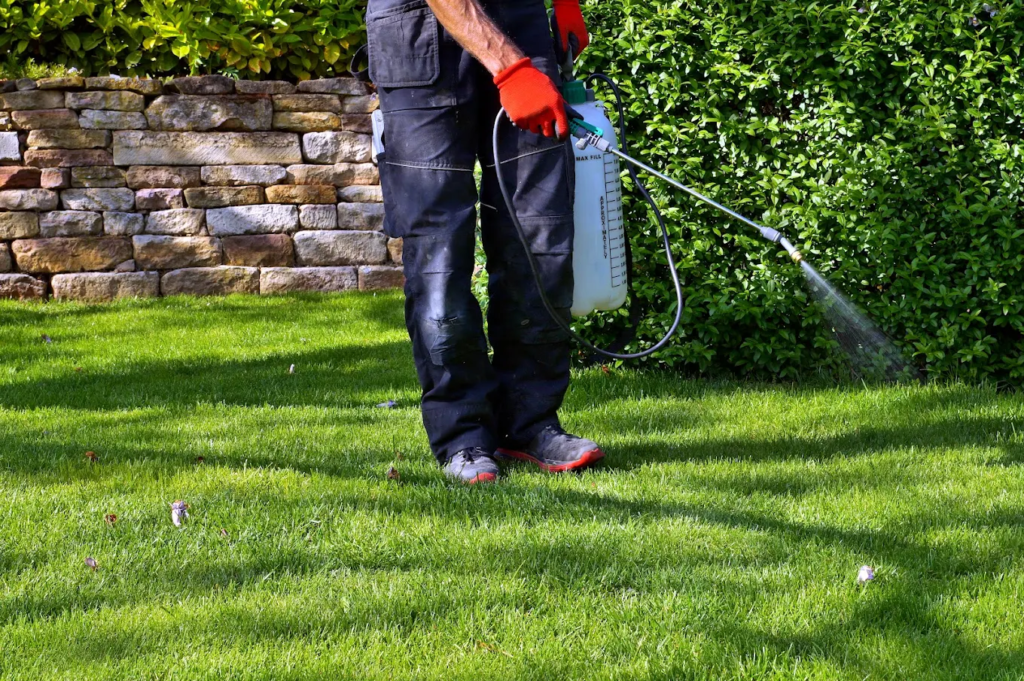
Summer in Palm Bay brings heat, humidity, frequent rain, fast-growing vegetation, and more time spent outdoors. Those conditions can increase activity from ants, cockroaches, mosquitoes, rodents, spiders, fleas, ticks, wasps, earwigs, beetles, flies, and snakes around homes and yards. Effective pest control during summer begins before repeated sightings appear indoors. Homeowners benefit from checking moisture, entry points, landscaping, storage, and outdoor gathering areas as connected parts of the property. When these conditions are managed early, professional service can focus more precisely on active pressure rather than reacting after an infestation has spread. Remove Water Sources That Support Summer Activity Rain and irrigation can leave small amounts of water in places homeowners rarely notice. Mosquitoes may develop in containers and low areas, while cockroaches, earwigs, ants, and flies may gather around damp conditions near the home. Important areas to check include: Moisture control does not replace treatment when pests are established. It reduces the dependable water sources that help them remain active and makes inspection findings easier to interpret. Look Beyond the Pests You Can See Summer infestations often develop in concealed spaces before activity becomes obvious. Ant colonies may remain beneath soil or inside wall gaps, cockroaches can hide behind appliances, rodents may move through attics and garages, and wasps can build nests near rooflines or sheltered outdoor areas. This is why hidden infestation risks matter when a few pests keep returning. Surface-level responses may reduce visible activity without reaching nesting sites, entry routes, eggs, or breeding areas. A professional inspection connects what appears indoors with the conditions outside and behind structural surfaces. Repeated sightings in several rooms, fresh droppings, new webs, unexplained bites, gnawing, or activity near plumbing should be treated as patterns rather than isolated events. Reduce Shelter Around the Home and Yard Palm Bay yards can become more inviting to pests when vegetation, debris, storage, and shade create protected hiding areas. Thick growth may hold moisture, while clutter can shelter insects, rodents, snakes, and the prey that attracts them. Summer preparation should include: The objective is not to strip the property of landscaping. It is to reduce low-disturbance spaces where pests can remain hidden close to doors, vents, foundations, and outdoor living areas. Understand Why Florida Summer Raises Pest Pressure Summer heat speeds the movement and development of many pests. Rain creates moisture, humidity keeps shaded areas damp, and outdoor meals or gatherings add food and human activity. These conditions can bring several pest types closer to homes at the same time. A closer look at Florida summer pests explains how ants, cockroaches, mosquitoes, rodents, spiders, ticks, fleas, wasps, earwigs, beetles, flies, and snakes respond to warm, wet conditions. Each pest behaves differently, so a property-wide assessment is more useful than applying the same response everywhere. For example, mosquitoes may trace back to water-holding containers, spiders to insect-rich lighting, cockroaches to damp utility areas, and rodents to food, shelter, or structural gaps. Correct identification guides more efficient pest control. Prepare Entry Points and High-Use Areas for Inspection Summer pest pressure often reaches the home through doors, vents, garages, utility penetrations, damaged screens, and roofline openings. High-use spaces such as patios, kitchens, pet areas, and entryways also create repeated opportunities for pests to move indoors. A complete preparation plan may involve: These steps support professional inspection without encouraging unverified treatment. Technicians can then evaluate current evidence, identify the pest involved, locate likely sources, and apply targeted service where it is justified. Palm Bay homeowners should expect summer conditions to change quickly. A quiet yard after a dry week may develop mosquito pressure after heavy rain, while ants, cockroaches, or earwigs may move toward shelter when soil becomes saturated. Ongoing monitoring helps the pest control plan remain aligned with the property instead of relying on a one-time response. Keep Summer Pest Pressure From Taking Hold Early preparation can make summer activity easier to identify and manage before it spreads indoors. Contact Protek Pest and Lawn for professional pest control focused on Palm Bay conditions, targeted treatment, and long-term prevention.
Why DIY Pest Control Often Misses Hidden Infestations
A pest problem rarely begins with the first insect or rodent you notice. By the time ants cross a counter, cockroaches appear near a sink, rodents leave droppings, or wasps build visible nests, activity may already be established in places that are difficult to inspect. DIY pest control often focuses on what can be seen. A spray, trap, or bait may reduce visible pests, but hidden colonies, nesting sites, entry points, and breeding areas can remain active. Effective pest control depends on finding the source and understanding how the property is supporting the infestation. Visible Activity Can Represent Only a Small Part of the Problem Many pests spend most of their time out of sight. Ants may nest beneath soil or inside walls, cockroaches can hide behind appliances and cabinets, rodents move through attics and wall voids, and spiders settle where insect prey is available. Warning signs of hidden activity can include: Professional inspection looks for patterns rather than isolated sightings. That broader approach helps determine whether the visible pest is only one part of a larger infestation. Florida Conditions Can Keep Pest Pressure Active Warm temperatures, moisture, storms, landscaping, and seasonal changes can support pest activity around Palm Bay properties for much of the year. Outdoor populations may move toward homes when conditions shift, while standing water, food sources, clutter, and structural gaps can create opportunities for repeat entry. This is why year-round pest pressure matters when assessing a property. Ants, cockroaches, rodents, mosquitoes, spiders, earwigs, flies, beetles, fleas, ticks, snakes, and wasps may respond differently to weather and property conditions. A one-time surface treatment may reduce immediate sightings without changing the larger environment. Long-term pest control considers moisture, access points, shelter, food, and seasonal pressure together. Hidden Colonies and Breeding Sites Need Targeted Attention Different pests remain hidden in different ways. Ant colonies may sit beneath soil or within walls. Cockroaches can reproduce in dark, moisture-rich areas. Fleas and ticks may continue developing through multiple life stages, while rodents can nest in protected spaces far from where they are first seen. A professional assessment may involve: This matters because the wrong method can leave the main infestation untouched. Killing visible pests does not necessarily reach the colony, nest, eggs, larvae, or concealed route, keeping the problem active. Some Pest Problems Carry Added Safety Risks Certain infestations deserve extra caution because disturbing the pest or nest may increase exposure. Wasps are a clear example. A visible nest can look simple to remove, but defensive activity, hidden nest placement, height, and the number of insects involved can make the situation unpredictable. This discussion of risky nest removal explains why professional evaluation is often safer than approaching an active nest without proper knowledge or protective equipment. The same principle applies more broadly. Rodents may contaminate hidden areas, cockroaches can remain deep in cracks and equipment zones, and snakes may appear where shelter or prey is available. Professional pest control reduces guesswork by identifying the pest, locating the source, and selecting methods suited to the actual conditions. Long-Term Pest Control Starts With the Whole Property The strongest pest control plans do not treat one sighting in isolation. They consider how the interior, exterior, landscaping, moisture, storage, and structure work together. A complete property-wide approach may include: This type of inspection is especially valuable when pests keep returning, activity appears in several rooms, or the source is unclear. Ants, beetles, cockroaches, earwigs, flies, mosquitoes, rodents, snakes, spiders, fleas, ticks, and wasps all require different strategies. The goal is not simply to reduce what is visible today. Careful inspection can also reveal overlooked conditions that allow a small problem to become more established over time. It is to identify why the infestation developed, where pests are hiding, and what must change to reduce repeat activity. That is where professional pest control can make a meaningful difference, especially when hidden areas are involved, and activity keeps returning unexpectedly. Find the Infestation Before It Spreads Further When pests keep returning, the source may be deeper than it appears. Contact Protek Pest and Lawn for professional pest control focused on inspection, targeted treatment, and long-term prevention.
How To Keep Wasps Away From Outdoor Living Areas
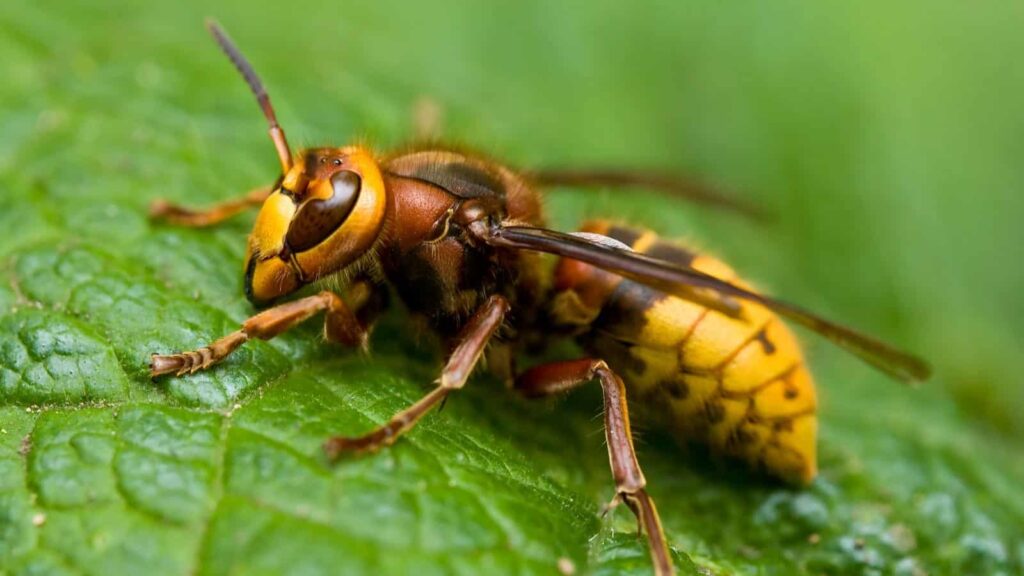
Outdoor living areas are meant for quiet mornings, family meals, poolside afternoons, and relaxed evenings. Wasps can change that quickly when they begin flying around patios, decks, outdoor kitchens, play areas, gardens, trash bins, or roofline edges. A few wasps may seem like a passing nuisance, but repeated activity often means the property is offering food, shelter, nesting space, or access to protected areas. Professional wasp control starts by identifying the insect, locating activity, and understanding why the outdoor space is attracting wasps. In Palm Bay and nearby Florida communities, warm weather, moisture, landscaping, and year-round pest pressure can allow wasps and other pests to stay active for long periods. A planned approach helps reduce the risk of stings, hidden nests, and repeat activity near the areas families use most. Find What Is Drawing Wasps Close Wasps usually appear around outdoor living spaces for a reason. They may be foraging for food, drinking from moisture sources, collecting materials, or entering a nest site. Patios and yards with frequent meals, sugary drinks, uncovered trash, flowering plants, or protected gaps can become attractive. Common attractants include: Inspection is important because wasps may not nest where people first notice them. They may fly across a patio from a nearby eave, shrub, wall void, or fence line. A closer look at wasp activity explains why the source must be found before the problem can be managed properly. Understand Why Nest Location Matters The risk level changes based on where the nest is located. A nest near a back door, porch ceiling, pool area, mailbox, play structure, or outdoor dining space creates a different concern than activity far from daily movement. Wasps and hornets may become defensive when the nest is disturbed, especially when people walk close to it repeatedly without realizing it is there. Higher-risk locations include: Professional evaluation helps determine whether the activity is connected to an exposed nest, a hidden nest, or general foraging. That distinction matters. A visible nest may require one response, while steady traffic into a wall or soffit may require a more careful plan. Treating the wrong area can leave the nest active and keep the outdoor space uncomfortable. Keep Prevention Consistent Through The Year Florida’s warm climate can stretch pest activity across much of the year. Wasps may be most noticeable during certain seasons, but outdoor conditions can support many pests around the property. Ants, beetles, cockroaches, earwigs, flies, mosquitoes, rodents, snakes, spiders, bees, wasps, and other listed pests may all respond to food, moisture, shade, and access points. A year-round prevention plan may include: A guide to year-round protection shows why steady inspection matters in Palm Bay’s climate. Outdoor living areas are easier to protect when pest pressure is monitored before guests arrive, nests expand, or pests move closer to the home. Professional service also helps connect wasp activity with the broader property. For example, outdoor lights may attract insects that also support spiders. Moisture may draw mosquitoes, roaches, and flies. Gaps near the roofline may invite wasps or rodents. When those conditions are reviewed together, prevention becomes more complete and less reactive. The best plans also account for how the family uses the space. A screened patio, a grill area, a garden path, and a pool deck may each need different attention. That kind of site-specific review helps keep treatment focused and practical. It also gives homeowners clearer expectations about timing, access, follow-up, and the conditions that may invite wasps back after the first professional service visit. Make Outdoor Comfort Easier To Keep Wasps should not control how a family uses a patio, deck, yard, or pool area. When nests, attractants, moisture, and entry points are inspected together, the outdoor space becomes easier to enjoy with fewer interruptions. For careful wasp control and prevention-focused help with common Palm Bay pest concerns, contact Protek Pest and Lawn.