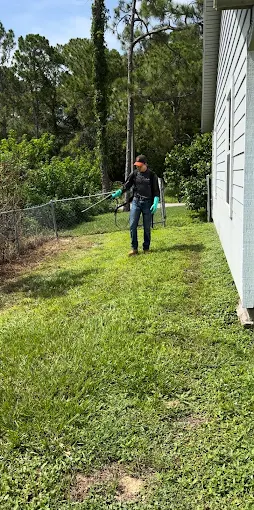
Florida’s climate gives pests something many other regions cannot provide consistently: warmth, moisture, vegetation, and long periods of biological activity. In places such as Palm Bay and surrounding communities, seasonal changes may alter which pests are most noticeable, but they rarely create a complete break in pest pressure. Ants, cockroaches, mosquitoes, spiders, fleas, ticks, rodents, flies, earwigs, beetles, wasps, and other pests can remain active when conditions stay favorable.
Professional pest control works best when it accounts for those environmental patterns. Heat, rainfall, humidity, irrigation, and landscaping all influence where pests feed, breed, rest, and enter structures. Understanding those relationships helps explain why Florida homes often need prevention and monitoring throughout the year rather than attention only after a noticeable infestation appears.

Warmth And Moisture Keep Pest Activity Going
Florida’s long warm season allows many insects to remain active for extended periods. High humidity also supports moisture-dependent pests, while frequent rain can create new breeding sites or drive insects away from saturated areas and toward homes. Even during cooler months, temperatures may remain mild enough for activity to continue.
Weather-related conditions that can increase pest pressure include:
- Warm temperatures that extend feeding, breeding, and movement periods
- Heavy rain that floods outdoor nesting areas and redirects pests toward structures
- High humidity that supports cockroaches, mosquitoes, earwigs, and other moisture-seeking pests
- Standing water that creates mosquito-development sites around yards and landscaping
- Mild winters that reduce the seasonal slowdown common in colder climates
The yard often becomes the first place where these conditions combine. Dense vegetation, excess moisture, debris, and shaded areas can support insects close to foundations and entry points. Learning how to reduce yard pest activity helps show why outdoor conditions should be considered part of the overall pest-management picture.
Professional inspection can identify which environmental factors are contributing most heavily to current activity. That allows treatment to focus on real pressure points instead of applying the same approach to every property.
Rainfall And Landscaping Create Constant Opportunities
Rain is essential to Florida landscapes, but it can also create highly favorable conditions for pests. Water may collect in gutters, planters, low spots, irrigation zones, and shaded areas. Moist soil can support insect populations, while thick vegetation provides shelter from heat and predators.
Common property conditions that deserve attention include:
- Overwatered lawn areas that remain damp for long periods
- Mulch or plant material holding moisture against exterior walls
- Shrubs and tree branches touching siding, windows, or rooflines
- Outdoor containers collecting rainwater after storms
- Trash, pet food, or organic debris attracting insects and rodents
These conditions can affect several pests at once. Mosquitoes may develop in standing water, cockroaches may gather near damp shelter, ants may relocate after heavy rain, and spiders may follow increased insect prey. Rodents can also take advantage of dense landscaping and food sources near structures.
This is why pest control in Florida often requires a property-wide view. Treating one indoor room may not solve a problem that begins in the yard, around drainage, or along the foundation. Professionals can connect indoor sightings with exterior conditions and determine which areas need treatment, monitoring, or prevention.
Year-Round Protection Requires A Smarter Long-Term Plan
Florida pest pressure changes with the season, but it does not follow a simple on-and-off cycle. Mosquitoes may be especially noticeable during hot, wet periods, while rodents can become more active around structures when weather or food availability shifts. Cockroaches, ants, spiders, fleas, ticks, wasps, and other pests may also respond differently to rainfall, heat, and shelter.
A professional long-term plan may include:
- Inspecting likely entry points, harborage areas, and moisture sources
- Adjusting treatment as seasonal pest pressure changes across the property
- Monitoring previous hot spots for signs of renewed activity
- Using targeted methods based on the pest species and location
- Reinforcing preventive measures when weather creates new vulnerabilities
Professional service can also account for family and pet considerations when treatment is selected and applied. An eco-conscious approach can combine careful product selection with inspection, targeted placement, and ongoing prevention rather than relying on unnecessary applications.
Consistency matters because Florida conditions can change quickly. A dry period may reduce one type of activity, followed by heavy rain that creates new moisture and breeding areas. Landscaping grows, seals wear, and stored items shift, creating fresh shelter or access points over time.
That is why one-time treatment may not address recurring pressure. Professional pest control is more effective when technicians can compare activity across visits, identify new patterns, and adjust the plan before pests become established in additional areas.
The goal is not to eliminate every insect from the outdoor environment. It is to reduce pest pressure around the home, interrupt access, and address conditions that allow infestations to develop indoors. In Florida, where warm and humid weather can support activity through much of the year, that prevention-first approach provides a more practical path to long-term protection.
Stay Ahead Of Florida’s Year-Round Pest Pressure
If changing weather keeps bringing pests closer to your home, contact Protek Pest and Lawn for professional pest control focused on inspection, targeted treatment, prevention, and year-round protection.