

Wasp And Hornet Nest Risks Around Florida Properties
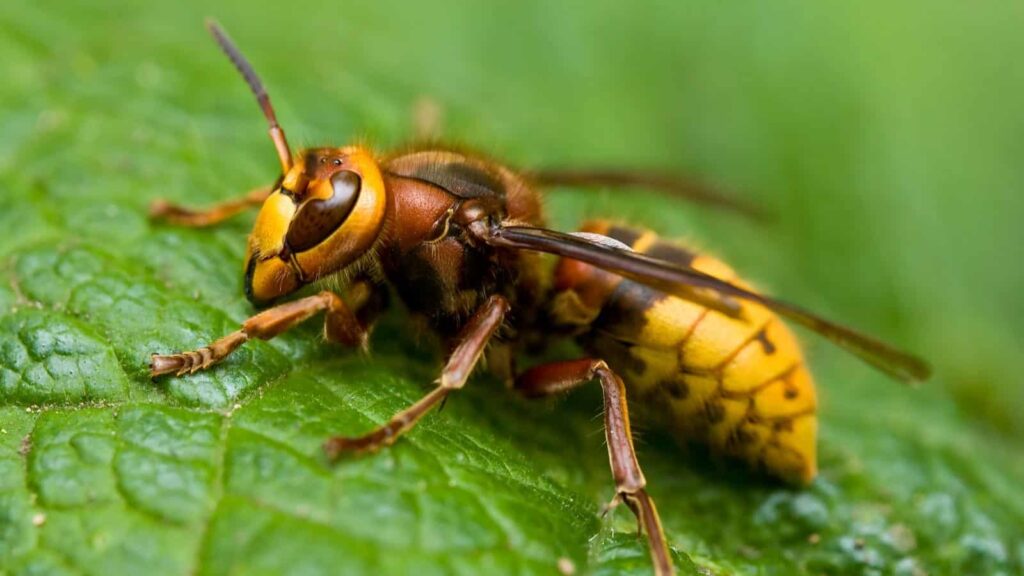
Florida’s warm climate creates favorable conditions for wasps and hornets throughout much of the year. While occasional sightings may seem manageable at first, nest activity near homes or commercial buildings can become a serious concern when colonies expand. These insects often build nests close to entry points, outdoor seating areas, rooflines, sheds, fences, landscaping, and covered patios where human activity regularly takes place. Many property owners notice activity only after nests have already grown larger. By that stage, wasps and hornets may become increasingly defensive around movement, noise, or nearby disturbances. Professional pest control evaluations help identify where nests are developing and what conditions may continue attracting these stinging insects around the property. Why Florida Properties Commonly Attract Nest Activity Florida’s humidity, heat, and long warm seasons support active insect populations for extended periods. Wasps and hornets often search for sheltered nesting areas protected from wind and heavy weather. Structures with overhangs, unused corners, dense landscaping, and limited foot traffic can become appealing locations. As colonies grow, activity around the nest usually becomes more noticeable. Increased movement near doors, windows, garages, and outdoor gathering spaces can raise the risk of accidental encounters. This becomes especially important for households with children, pets, or individuals sensitive to stings. Nearby pest activity may also contribute to the environment attracting stinging insects. Properties already dealing with ants, termites, cockroaches, rodents, fleas, spiders, or mosquitoes may have moisture, food, or shelter conditions that support broader insect pressure overall. Hidden Nests Can Become Larger Before Detection One challenge with wasp and hornet activity is that nests are not always immediately visible. Some colonies remain hidden behind shutters, inside wall voids, beneath decking, or underneath roof structures where daily activity does not easily expose them. Professional inspections often focus on identifying these concealed nesting areas before colonies expand further. Property owners sometimes attempt removal after noticing only a small amount of activity, unaware that the visible insects may represent a much larger nest nearby. Disturbing active nests without understanding colony size can increase defensive behavior quickly. Wasps and hornets may react aggressively when they perceive vibration, movement, or direct interference near the nest area. This is one reason professional handling remains important for reducing unnecessary risk. Additional information about safe handling concerns can be found through these nest removal risks. Why Wasp And Hornet Activity Should Not Be Ignored Some property owners delay addressing nest activity if insects appear calm during certain times of day. However, colonies usually continue growing while environmental conditions remain favorable. Larger nests naturally increase the number of active insects protecting the colony. Repeated activity near entrances, playgrounds, walkways, or outdoor seating areas can create ongoing safety concerns. Even routine lawn care, deliveries, or outdoor maintenance may accidentally disturb hidden nests. For commercial properties, visible nest activity can also affect customer comfort and employee safety around entrances or gathering areas. Professional pest control services focus not only on active nests but also on identifying the surrounding conditions that support recurring activity. Structural gaps, moisture retention, food sources, and protected nesting zones all contribute to long-term wasp and hornet pressure if left unaddressed. Properties benefiting from regular evaluations often identify developing activity earlier, before colonies become harder to manage. Ongoing monitoring also helps detect seasonal changes that increase insect pressure around structures. Property owners interested in routine oversight can review how routine inspections help support broader prevention efforts. Environmental Conditions That Support Long-Term Activity Wasp and hornet populations often return to properties where favorable conditions remain unchanged. Outdoor clutter, standing moisture, overgrown vegetation, exposed food waste, and structural gaps may continue attracting activity season after season. Florida weather patterns can also extend active seasons longer than many homeowners expect. Warm temperatures allow colonies to remain active for extended periods compared to colder regions, where winter conditions slow insect development more quickly. Because nests may develop in difficult-to-access areas, professional evaluations often provide a clearer understanding of overall property conditions. Identifying environmental patterns early supports more effective long-term management instead of reacting only after nest activity becomes severe. Protect Outdoor Spaces Before Activity Expands Wasp and hornet nests around Florida properties can create increasing safety concerns as colonies grow and activity spreads near common outdoor areas. Early evaluation helps identify hidden nesting sites, structural vulnerabilities, and environmental conditions contributing to recurring activity. Long-term pest control strategies focus on reducing both active threats and the conditions that support future nesting around the property. For professional assistance with wasp and hornet concerns, contact Protek Pest and Lawn.
Spider Infestation Causes In Palm Bay Homes Explained
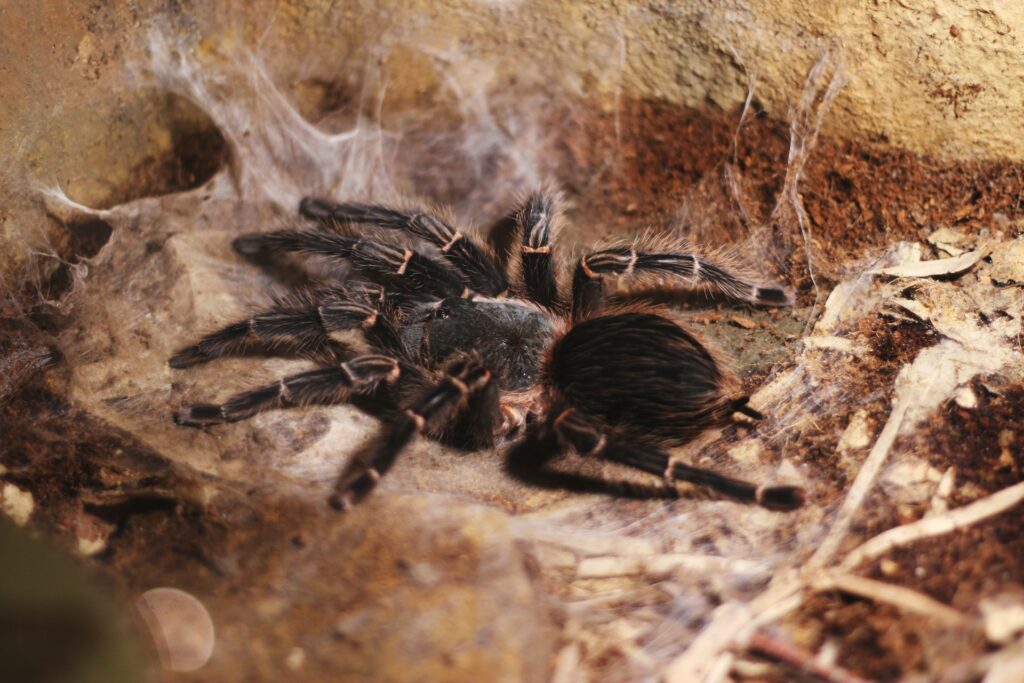
Spider activity in Palm Bay homes is often more noticeable than expected, especially during warmer months when pest populations increase. While a single spider may not seem concerning, repeated sightings can signal a deeper issue developing within the home. A growing spider infestation is rarely random. It is usually tied to environmental conditions, available food sources, and access points that allow spiders to settle indoors. Understanding why spiders appear and how infestations develop is an important step toward long-term control. When approached with proper pest control strategies, it becomes easier to reduce activity and prevent recurring problems. Why Spiders Are Drawn To Palm Bay Homes Palm Bay’s climate creates an ideal environment for many pests, including spiders. Warm temperatures and humidity support insect activity, which in turn attracts spiders looking for food. Since spiders rely on other pests to survive, their presence often indicates a broader pest issue within the home. In addition to food availability, spiders seek shelter in quiet, undisturbed areas. Homes provide consistent conditions that protect them from weather changes and predators. This combination of food and shelter makes residential spaces highly attractive. Spiders are not the only pests influenced by these conditions. Ants, cockroaches, rodents, termites, and other common intruders also thrive in similar environments. Addressing spider activity often involves understanding how these pests interact within the same space. Common Causes Of Spider Infestation Indoors These factors create conditions where spiders can settle and expand over time. Even minor issues, such as small entry gaps or overlooked clutter, can contribute to a larger spider infestation if not addressed early. Hidden Areas Where Spider Activity Builds Over Time These locations often go unnoticed during routine cleaning. As a result, spider populations can grow gradually without immediate detection. By the time webs become visible, the infestation may already be established. How Seasonal Changes Influence Spider Infestation Seasonal shifts play a major role in spider activity. During spring and summer, insect populations increase, giving spiders more opportunities to feed and reproduce. As temperatures fluctuate, spiders may move indoors in search of stable conditions. This seasonal pattern explains why spider infestation tends to peak at certain times of the year. Increased outdoor activity drives spiders closer to structures, where they find both shelter and food sources. Understanding these patterns can help guide prevention efforts. For example, learning more about spring pest activity provides insight into how different pests become more active during this time and how it affects indoor environments. Why One-Time Solutions Often Fail It can be tempting to address a spider infestation with a one-time treatment when activity becomes noticeable. While this may reduce visible spiders temporarily, it rarely resolves the underlying conditions that caused the problem. Spiders will continue to return if their food sources remain available and entry points are not addressed. This is why effective pest control focuses on long-term management rather than short-term relief. A structured approach considers how pests interact within the home and how environmental factors contribute to ongoing activity. Without this level of planning, infestations are likely to repeat over time. Preventive Steps That Support Long-Term Control These steps contribute to a more controlled environment. However, they are most effective when part of a broader pest control plan that addresses both spiders and the pests they rely on. Understanding how consistent service supports long-term results can provide additional clarity. Exploring the importance of ongoing protection plans highlights how structured approaches help maintain a stable, pest-free environment. Building A More Effective Approach To Spider Control Managing spider infestation in Palm Bay homes requires more than reacting to visible activity. It involves understanding how spiders enter, where they settle, and what conditions allow them to thrive. By addressing these factors, it becomes possible to reduce activity and prevent future infestations. Long-term pest control strategies focus on consistency, monitoring, and targeted treatment. These methods help maintain a balanced indoor environment while reducing the likelihood of recurring problems. Take Control Of Spider Activity Before It Grows If you are noticing signs of spider infestation or want to prevent issues from developing, a proactive approach can make a lasting difference. Reach out to Protek Pest and Lawn to explore pest control solutions designed to manage spider activity and protect your home over time.
Do Certified Technicians Offer Guarantees On Pest Removal
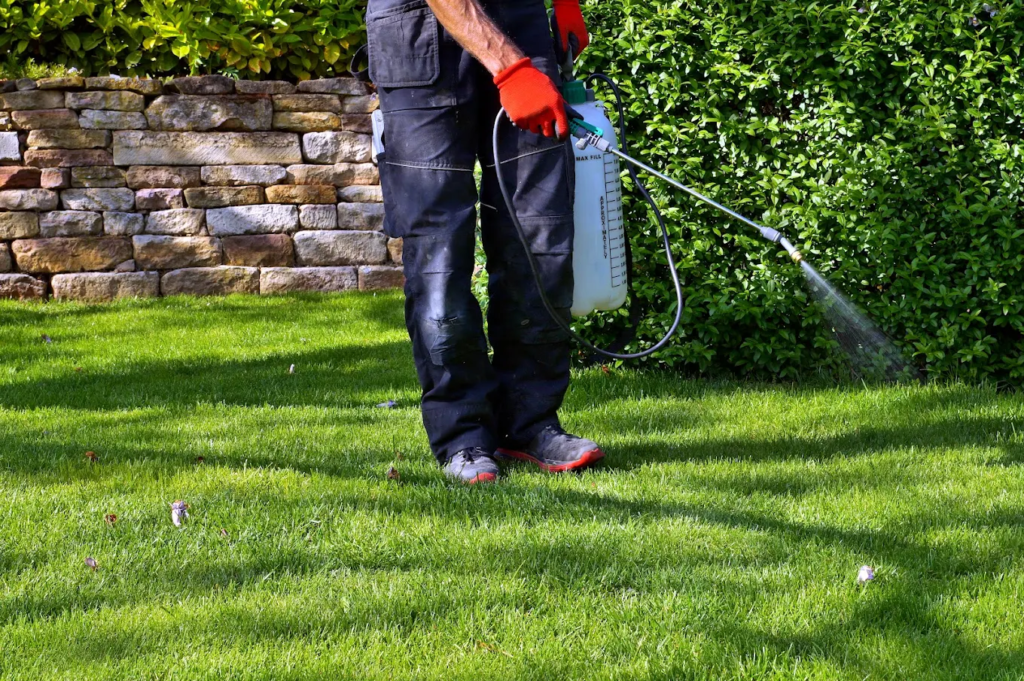
When dealing with persistent pest issues, many property owners want reassurance that the problem will be handled effectively. This often leads to an important question: do certified technicians offer guarantees on pest removal, and what do those guarantees actually mean? The answer is not always as simple as a yes or no. Pest removal involves multiple factors, including the type of pest, environmental conditions, and the level of infestation. Certified technicians provide structured services designed to deliver reliable results, but guarantees are typically based on ongoing management rather than a one-time promise. Understanding how these guarantees work helps set realistic expectations and highlights the value of professional pest control. What Certification Means In Pest Control Certification is a key factor in determining the quality and reliability of pest removal services. Certified technicians undergo training that equips them with knowledge of pest behavior, treatment methods, and safety practices. Key aspects of certification include: This level of expertise allows certified technicians to approach pest removal with precision. Instead of relying on general methods, they tailor their approach based on the specific pest and conditions. For a closer look at how certification supports environmentally responsible methods, this overview of eco pest qualifications explains the role of training in modern pest control practices. Certification does not just reflect knowledge. It represents a commitment to consistent, professional service. Do Certified Technicians Provide Guarantees Certified technicians often provide service guarantees, but these guarantees are structured differently from what many people expect. Rather than promising permanent pest removal after a single visit, guarantees typically focus on continued support and follow-up. Common elements of pest removal guarantees include: These guarantees are designed to provide confidence while recognizing that pest control is an ongoing process. Pests can reenter a property due to environmental changes, structural conditions, or external factors. A guarantee ensures that if the activity continues, it will be addressed without delay. This approach prioritizes consistency rather than unrealistic one-time solutions. Why Pest Removal Cannot Be a One-Time Solution Pest removal is influenced by factors that extend beyond the initial treatment. Even after pests are eliminated, conditions that attract them may still exist. Important considerations include: Because of these variables, pest removal must be treated as a process rather than a single event. Certified technicians focus on identifying and addressing these factors to reduce the likelihood of recurrence. This is why guarantees are tied to ongoing service. They ensure that if conditions change or a new activity appears, it can be managed quickly and effectively. The Role Of Ongoing Service In Guarantee Coverage Ongoing service is a central component of most pest removal guarantees. Regular visits allow technicians to monitor activity, maintain protective barriers, and make necessary adjustments. Benefits of ongoing service include: This approach provides stability. Instead of reacting to visible problems, it focuses on prevention and long-term management. Understanding the difference between certified and non-certified service also helps explain why guarantees vary. This comparison of certified technician benefits highlights how training and expertise influence service quality and reliability. With regular service, guarantees become more meaningful because they are supported by continuous care. What To Expect From A Professional Guarantee A professional pest removal guarantee is built on transparency and clear expectations. It outlines what is covered, how follow-up is handled, and what is required to maintain coverage. Typical expectations include: These elements ensure that the guarantee is practical and effective. It is not a one-size-fits-all promise but a structured agreement designed to support long-term results. Professional guarantees also reflect accountability. They demonstrate that the service provider is committed to resolving issues and maintaining control over time. Why Certified Technicians Deliver More Reliable Results Certified technicians bring a level of expertise that directly impacts the effectiveness of pest removal. Their training allows them to approach each situation with a deeper understanding of pest behavior and environmental factors. Advantages of working with certified professionals include: This combination of knowledge and consistency leads to more reliable outcomes. It also reduces the likelihood of recurring problems, making pest removal more effective over time. Certified technicians do not rely on quick fixes. They focus on building a system that supports lasting control. Take the next step toward dependable pest protection If you are looking for pest removal backed by professional expertise and reliable follow-up, working with certified technicians can provide the confidence you need. Connect with Protek Pest and Lawn to explore solutions designed for consistent, long-term results.
Spring Wasps: Why DIY Nest Removal Can Be Risky
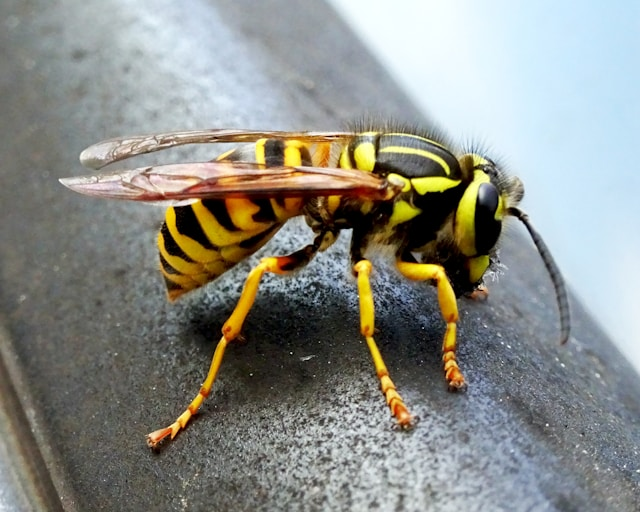
Spring marks the beginning of wasp activity as queens emerge from winter shelter and begin building new nests. At this stage, nests may appear small and manageable, which often leads homeowners to consider handling the problem on their own. However, what seems like a simple task can quickly become dangerous. From an expert perspective, wasp control requires more than removing what is visible. Wasps are highly defensive, and their behavior can shift rapidly when they perceive a threat. Understanding how they operate during spring helps explain why DIY nest removal often leads to unnecessary risks. A structured approach is essential to manage wasps safely and effectively. Why Are Wasps Becoming Active in Spring Spring is a critical time in the wasp lifecycle. During this period, queens establish new colonies and begin laying eggs that will develop into worker wasps. These early stages may seem less threatening, but they are the foundation for rapid colony growth. Addressing activity during this time requires careful handling to avoid escalation. Common Places Wasps Build Nests Around Homes Wasps look for locations that provide shelter, stability, and proximity to food. Many of these areas are close to living spaces, increasing the risk of interaction. These locations often make nest removal more complicated. Limited access and visibility increase the difficulty of addressing the problem safely. Risks Associated With DIY Wasp Nest Removal Attempting to remove a wasp nest without proper preparation can lead to serious consequences. Wasps react quickly when their nest is disturbed, often attacking in groups. These risks make DIY removal unpredictable. Even small nests can trigger aggressive behavior, especially as colonies begin to grow. Understanding the importance of proper handling is essential. In our recent article on the importance of certified technicians, the value of expertise in pest control is explored further. Why Wasp Control Requires a Targeted Approach Effective wasp control involves more than removing the nest. It requires understanding the behavior of the colony and applying solutions that address both current and future activity. Professionals begin by identifying the type of wasp and the extent of the infestation. This information determines how the nest should be handled and what methods will be most effective. Treatments are then applied in a way that reduces activity before removal. This step is critical for minimizing risk and ensuring that the colony is controlled before the nest is disturbed. Another important factor is timing. Addressing nests during lower activity periods reduces the chance of aggressive responses. Professionals use this knowledge to plan removal safely. Proper techniques also ensure that nests are fully removed. This prevents wasps from rebuilding in the same location and reduces the likelihood of recurring issues. The role of trained professionals is essential. In our blog post on eco-certified technicians, the importance of proper training and application is discussed in more detail. How Professional Pest Control Improves Safety and Results Professional pest control services provide the structure and expertise needed to manage wasp activity effectively. This approach focuses on both safety and long-term prevention. The process begins with a thorough inspection to locate nests and identify potential risks. This ensures that all areas of activity are addressed, including those that may not be immediately visible. Targeted treatments are applied to reduce wasp activity before removal. This step lowers the risk of aggressive behavior and improves overall safety. After removal, preventative measures are implemented to reduce the chances of future nesting. This may include sealing entry points and addressing environmental factors that attract wasps. Ongoing monitoring also plays a role. Spring conditions can lead to new nests forming, and regular assessments help ensure that any new activity is addressed quickly. Without professional involvement, wasp control efforts may remain incomplete. A structured approach ensures that both immediate risks and long-term concerns are managed effectively. Where Safety Comes First in Wasp Control Wasp activity in spring may seem manageable at first, but handling nests without proper knowledge can quickly become dangerous. A careful and informed approach ensures that the problem is addressed safely and completely.For reliable wasp control and expert pest management, contact Protek Pest and Lawn and take the next step toward a safer outdoor environment.
What Are the Signs of a Cockroach Infestation This Spring
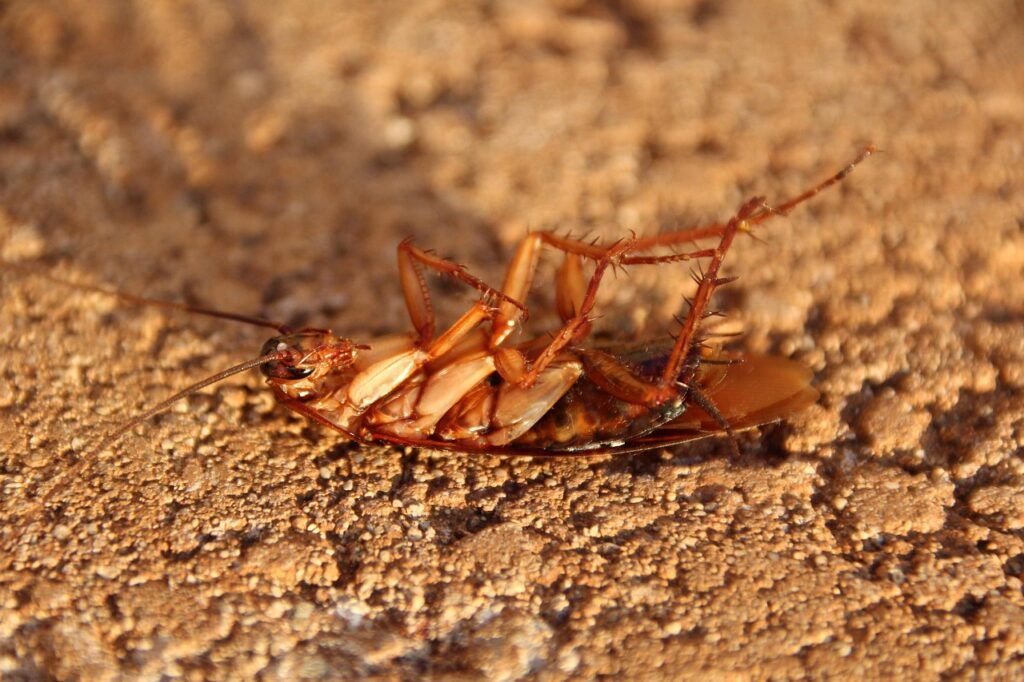
Spring often brings renewed activity across many types of pests, and cockroaches are no exception. As temperatures rise and moisture levels shift, these pests become more active indoors, searching for food, water, and shelter. A cockroach infestation can develop gradually, often going unnoticed until it reaches a more advanced stage. From a professional standpoint, early detection is critical. Recognizing the signs of activity during spring allows for timely intervention, reducing the likelihood of a more widespread issue. Understanding these indicators helps create a clearer picture of what is happening behind walls, beneath appliances, and within hidden areas of a property. Why Spring Creates Ideal Conditions for Cockroach Activity Seasonal changes influence pest behavior, and spring provides a favorable environment for cockroaches to thrive. Warmer temperatures accelerate their life cycle, while increased humidity supports their need for moisture. These factors contribute to a rise in indoor encounters. What may initially appear as isolated sightings can often indicate a deeper, hidden presence. Professionals approach these seasonal patterns with structured inspection methods designed to uncover activity at its source. Common Visible Signs of a Cockroach Infestation A cockroach infestation rarely appears suddenly. Instead, it reveals itself through a series of visible indicators that become more noticeable over time. Identifying these signs early can prevent further spread. Each of these signs points to ongoing activity rather than a one-time occurrence. The presence of multiple indicators suggests that the infestation has progressed beyond early stages. Understanding how professionals evaluate these signs is essential. In our recent article on spring pest insights, the importance of structured detection and targeted response is explored in greater detail. Subtle Indicators That Often Go Unnoticed Not all signs of a cockroach infestation are immediately visible. Some indicators are more subtle and require closer attention. These are often the signs that professionals are trained to detect during inspections. These less obvious signs are often overlooked during routine cleaning or daily observation. However, they provide important clues about underlying activity. Addressing them requires more than surface-level attention, as the source is typically concealed within structural spaces. Professionals rely on training and experience to interpret these signals accurately. This level of assessment ensures that no detail is missed during the evaluation process. The Risks of Delayed Response Allowing a cockroach infestation to persist without intervention can lead to a range of complications. The longer the issue remains unaddressed, the more difficult it becomes to control effectively. These risks highlight the importance of timely action. A delayed response not only affects the immediate environment but also increases the effort required to restore normal conditions. Evaluating the qualifications behind pest control services is also essential. From our blog post on certified expertise, the role of trained professionals in delivering consistent and responsible solutions is clearly outlined. How Professional Insight Leads to Effective Control Managing a cockroach infestation requires more than identifying visible signs. It involves understanding behavior patterns, locating hidden nesting areas, and applying targeted treatments that address the root of the problem. Professional pest control services focus on a comprehensive approach. This includes inspection, identification, treatment, and follow-up. Each step is designed to ensure that the infestation is not only reduced but also effectively controlled over time. The advantage of professional involvement lies in precision. Instead of relying on assumptions, decisions are based on observed evidence and proven methods. This results in a more reliable outcome, especially during peak activity seasons like spring. A structured approach also ensures that contributing factors are addressed. Moisture control, entry point management, and environmental adjustments all play a role in preventing future activity. These elements are integrated into the overall strategy, creating a more complete solution. When Early Signs Call for a Smarter Response Recognizing the signs of a cockroach infestation is the first step, but addressing it effectively requires a deeper level of expertise. Spring activity can escalate quickly, making early, informed action essential.For thorough inspection and dependable solutions, reach out to Protek Pest and Lawn and take the next step toward restoring a clean and controlled environment.
Are Certified Technicians Required for Eco-Friendly Pest Solutions
Eco-conscious approaches are reshaping how pest control is delivered. Many homeowners and businesses now seek solutions that reduce environmental impact while still addressing pest activity effectively. This shift has raised an important question: are certified technicians necessary when using eco-friendly pest control methods? From a professional standpoint, certification plays a critical role. Eco-friendly solutions are not simply lighter alternatives to traditional treatments. They require precise application, proper identification of pests, and a clear understanding of how different environments influence results. Without the right expertise, even well-intended methods may fall short. What Makes Eco-Friendly Pest Control Different Eco-friendly pest control focuses on minimizing environmental impact while maintaining effectiveness. It emphasizes targeted strategies and long-term prevention rather than broad or excessive application. Key differences include: These approaches demand a higher level of understanding. Unlike conventional methods that may rely on widespread application, eco-friendly pest control depends on accuracy and informed decision-making. Why Certification Matters in Modern Pest Control Certification ensures that technicians have undergone proper training and understand industry standards. This becomes especially important when working with eco-friendly solutions that require careful handling and application. Certified technicians bring several advantages: Pests such as ants, spiders, cockroaches, rodents, termites, and other common invaders each require specific strategies. Applying a generalized approach can lead to incomplete results. Certification helps ensure that each situation is handled with precision. For a deeper perspective on the value of training and qualifications, our resource about certified technician benefits explains why professional credentials matter in pest control. Risks of Using Non-Certified Approaches Without proper training, eco-friendly pest control efforts may not deliver the intended results. In some cases, they can even contribute to recurring or worsening infestations. Common risks include: These challenges highlight the importance of expertise. Eco-friendly pest control is not about using fewer products. It is about using the right methods in the right way. How Certified Technicians Improve Long-Term Results Sustainable pest control relies on consistency and strategic planning. Certified technicians are trained to approach pest management as an ongoing process rather than a one-time event. Their approach typically includes: This structured process supports long-term effectiveness. It ensures that pest control efforts remain consistent and adaptable over time. Regular inspections also play a key role in maintaining control. Our recent article on routine inspection plans explains how ongoing evaluations help prevent infestations from returning. When Professional Expertise Becomes Essential There are situations where the need for certified technicians becomes more apparent. These often involve complex infestations or environments where precision is critical. Consider professional support when: In these cases, eco-friendly pest control benefits significantly from professional expertise. Certification ensures that solutions are applied with both safety and effectiveness in mind. Where Expertise Meets Responsible Pest Control Eco-friendly pest control offers a balanced approach that prioritizes both performance and environmental responsibility. However, achieving consistent results requires more than good intentions. It depends on knowledge, precision, and a structured process. Without proper oversight, even well-planned treatments can miss underlying issues or fail to address the full scope of an infestation. Certified expertise helps ensure that each step is carried out with accuracy and consistency.For those seeking dependable and well-managed solutions, it is worth working with trained professionals who understand how to apply eco-conscious methods effectively. Reach out to Protek Pest and Lawn to explore pest control strategies designed for long-term success.
Do Commercial Pest Control Plans Include Regular Inspections

Commercial environments operate differently from residential spaces. Higher foot traffic, varied storage conditions, and constant activity create more opportunities for pests to enter and settle. Because of this, managing pest activity in a business setting requires a structured and ongoing approach. What often goes unnoticed is how quickly small issues can develop into larger concerns when conditions are left unchecked. A single overlooked entry point or unnoticed moisture source can support ongoing pest activity without immediate visibility. This is why a more consistent and watchful approach becomes essential in commercial settings. From a professional standpoint, a commercial pest control plan is not limited to treatment alone. It is built around monitoring, evaluation, and adjustment over time. Regular inspections are a central part of that process, helping identify early signs of activity before they become larger concerns. Why Inspections Are a Core Part of Any Plan Routine inspections serve as the foundation of a well-structured commercial pest control plan. They provide visibility into what is happening behind the scenes, even when no obvious signs are present. Pests such as ants, cockroaches, rodents, spiders, and occasional invaders can establish themselves quietly. Without consistent observation, early activity may go unnoticed until it begins affecting operations. As outlined in our resource on inspection frequency guide, regular checks allow professionals to detect patterns, assess risk levels, and adjust strategies based on real conditions. Inspections are not just a precaution. They are an essential tool for maintaining control and preventing disruptions in a commercial setting. What Professionals Look for During Inspections A professional inspection goes beyond a quick visual check. It involves a detailed evaluation of the property, focusing on areas where pest activity is most likely to develop. Each of these factors contributes to the overall risk level of the property. By identifying them early, professionals can take targeted steps to reduce the likelihood of infestation. How Inspection Schedules Are Determined Inspection frequency is not the same for every business. It depends on several factors, including the type of facility, level of activity, and environmental conditions. As explained in our blog post on commercial vs residential needs, commercial environments typically demand a more consistent and structured approach. This tailored scheduling ensures that inspections remain effective and aligned with the specific conditions of the property. The Role of Inspections in Long-Term Prevention Inspections are not just about identifying current problems. They are a key part of preventing future issues by addressing the conditions that allow pests to thrive. This proactive approach is what sets a commercial pest control plan apart from one-time services. It focuses on maintaining a controlled environment rather than reacting to isolated incidents. When Regular Inspections Become Essential There are situations where inspections move from being beneficial to necessary. Recognizing these conditions helps businesses avoid disruptions and maintain compliance with health and safety standards. At this stage, inspections become a critical part of maintaining control. They provide the insight needed to respond effectively and prevent further complications. Build a More Reliable Pest Management Strategy A strong commercial pest control plan is built on consistency, awareness, and timely action. Regular inspections help maintain that balance and support long-term stability.If you are looking for a more structured approach to pest management, connecting with Protek Pest and Lawn can help you explore solutions designed for ongoing protection.
How Can I Reduce Mosquitoes In My Backyard This Spring Season
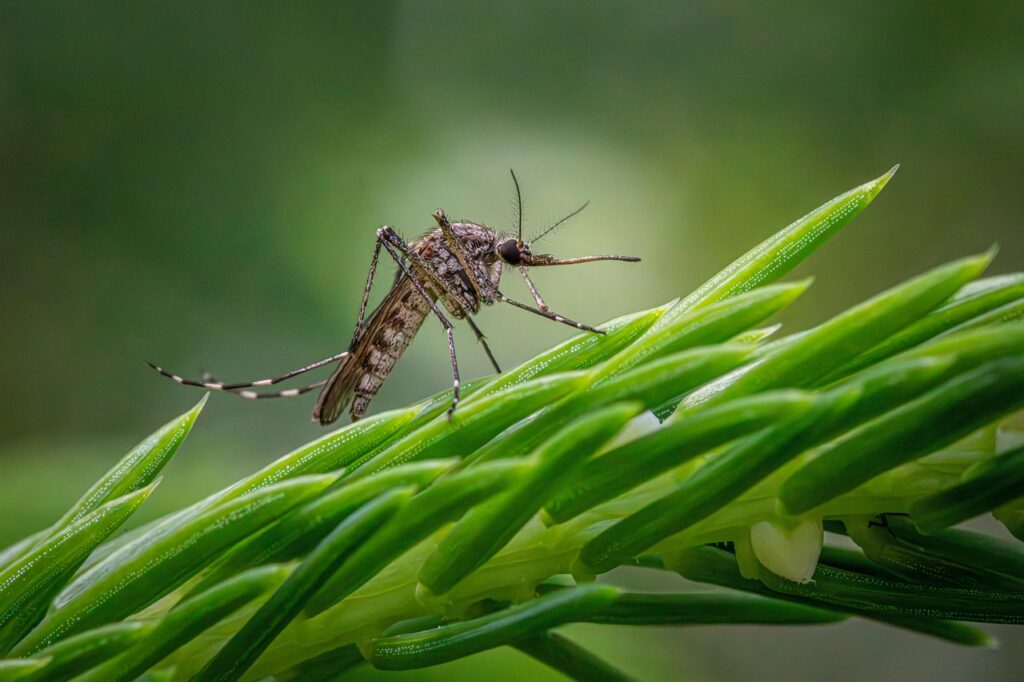
As spring arrives, outdoor spaces become more inviting. Warmer temperatures and increased humidity create ideal conditions not only for relaxation but also for mosquito activity. These pests emerge quickly and begin breeding in areas that often go unnoticed, turning backyards into active zones within a short period. What makes mosquitoes particularly challenging is how easily their populations can grow without immediate visibility. A single overlooked water source can support dozens of larvae, allowing activity to build quietly before it becomes noticeable. By the time mosquitoes are consistently seen, breeding has often been underway for some time. From an expert perspective, managing mosquitoes requires more than surface-level efforts. Spring mosquito control focuses on identifying breeding conditions early and reducing the factors that allow populations to grow. Addressing these conditions at the start of the season helps maintain a more comfortable outdoor environment over time. Why Mosquito Activity Increases During Spring Mosquitoes are highly responsive to environmental changes. Spring provides the exact combination of warmth and moisture needed for their life cycle to accelerate. These factors create a rapid increase in mosquito populations if conditions are not managed early. Key Areas In Your Backyard That Attract Mosquitoes Understanding where mosquitoes thrive is essential for reducing their presence. Many of these areas are common features in residential yards. Identifying these zones is the first step toward creating a less favorable environment for mosquitoes. How Spring Mosquito Control Targets Breeding And Resting Areas Effective spring mosquito control involves a combination of environmental management and targeted treatment strategies. The goal is to interrupt the mosquito life cycle before populations expand. A structured approach ensures that both breeding and resting areas are addressed effectively. Why Consistency Matters In Mosquito Prevention Mosquito control is not a one-time effort. Conditions change quickly during spring and early summer, making consistent monitoring essential. Consistency ensures that mosquito control remains effective throughout the season. Building A More Comfortable Backyard Environment Reducing mosquitoes in the backyard is about creating conditions that are less inviting to them. This involves both immediate actions and long-term planning. A balanced approach helps maintain outdoor spaces that are more enjoyable and less affected by pest activity. Take Back Your Backyard This Spring Mosquito activity can quickly take over outdoor spaces if conditions are left unmanaged. Spring mosquito control provides a proactive way to reduce breeding and maintain a more comfortable environment.For a more thorough assessment and effective seasonal protection, contact Protek Pest and Lawn and explore solutions designed to keep your backyard enjoyable throughout the season.
How Frequently Should You Have Pest Inspections in Florida
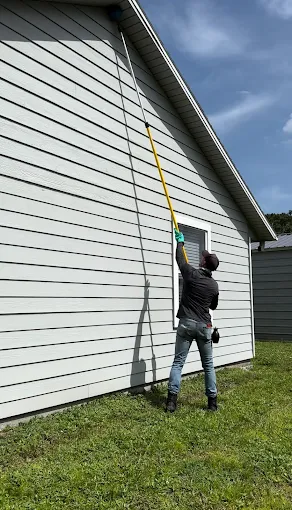
Florida’s climate creates an environment where pest activity is not limited to a single season. Warm temperatures, high humidity, and frequent rainfall allow many pests to remain active throughout the year. This constant activity makes pest inspections an essential part of maintaining a home or property. Unlike regions with colder winters that naturally slow pest movement, Florida requires a more consistent approach. Pest inspections are not just preventative measures. They are a way to monitor ongoing conditions and respond before small issues become more significant. Why Florida Homes Require Regular Pest Inspections The environmental conditions in Florida support a wide range of pests. From insects to rodents, many species thrive in both indoor and outdoor environments. Because these factors are always present, pest inspections must be scheduled with consistency. Waiting for visible signs often means the issue has already developed beyond its early stages. How Often Pest Inspections Should Be Scheduled The frequency of pest inspections depends on several factors, including location, property type, and past pest activity. However, general guidelines can help establish a routine. Regular pest inspections provide an opportunity to identify early signs and adjust prevention strategies as conditions change. Consistency is key. A structured schedule helps ensure that pest activity is addressed before it becomes more widespread. Common Pests That Require Ongoing Monitoring Florida homes are exposed to a variety of pests that can affect both indoor and outdoor spaces. Each type presents different challenges that require attention during inspections. These pests are not limited to one area of the property. Their activity can shift based on environmental conditions, which is why regular inspections are necessary. Understanding how these pests behave helps guide inspection frequency and focus. Factors That Influence Inspection Frequency While general guidelines are helpful, certain conditions may require more frequent pest inspections. These factors can increase the likelihood of pest activity. In addition, the quality of inspection plays an important role. Working with trained professionals ensures that inspections are thorough and accurate. This is discussed further in this resource on certified pest experts, where expertise influences results. Because these variables can change over time, inspection schedules should remain flexible and responsive. Why Professional Pest Inspections Provide Better Protection Pest inspections involve more than a visual check. They require an understanding of pest behavior, environmental conditions, and structural vulnerabilities. Professionals approach inspections with a detailed process. They evaluate entry points, identify signs of activity, and assess areas where pests are likely to develop. This level of analysis helps uncover issues that may not be immediately visible. In addition, professional methods focus on prevention as well as detection. By addressing conditions that attract pests, it becomes possible to reduce the likelihood of future infestations. This approach is especially important in Florida, where pest activity is ongoing. Surface-level solutions often fail to address the full scope of the issue. A more comprehensive strategy is needed to maintain long-term protection, as explained in this guide on professional pest solutions. When Routine Checks Make a Lasting Difference Pest activity can develop quietly, especially in environments where conditions remain favorable year round. Regular inspections provide a way to stay ahead of these changes. Recognizing patterns and responding early helps prevent more complex issues from developing. Stay Consistent With Your Pest Protection Plan When it comes to protecting your home in Florida, consistency matters. Contact Protek Pest and Lawn for pest inspections designed to support year-round prevention and long-term peace of mind.
How Do Residential and Commercial Pest Control Needs Differ
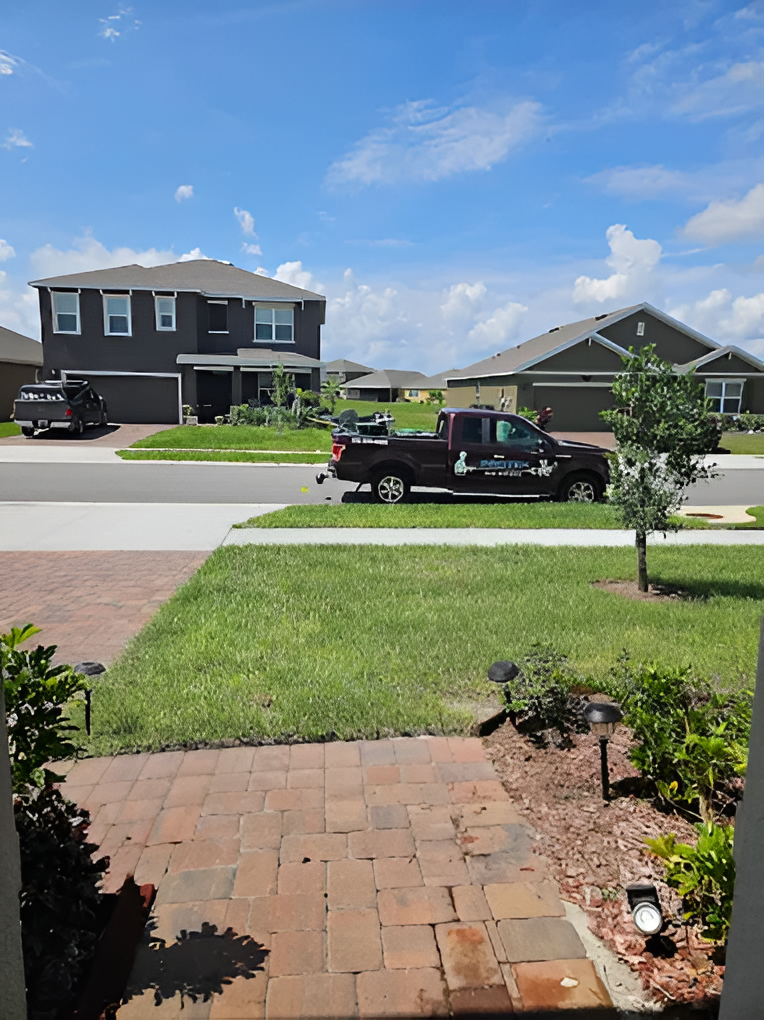
Pest control plays an important role in maintaining safe and comfortable environments in both homes and businesses. While pest problems may appear similar at first glance, the strategies used to manage them often differ depending on the type of property involved. Homes and commercial facilities have unique layouts, usage patterns, and sanitation requirements that influence how pests behave. Our team approaches pest management with careful consideration of these differences. Residential pest control focuses on protecting families and preserving comfortable living spaces. Commercial pest control must address additional factors such as regulatory standards, employee safety, and maintaining professional environments for customers. Both settings commonly experience pests such as ants, spiders, cockroaches, rodents, fleas, ticks, termites, and wasps. However, the way these pests enter and spread within a property can vary significantly depending on the environment. Understanding how residential pest control and commercial pest control differ helps property owners select the most effective pest management strategies for their specific needs. Why pest control strategies vary between homes and businesses Homes and commercial properties differ in size, layout, and daily activity levels. These factors influence how pests enter buildings and where they are likely to establish nests. Residential environments often provide quiet areas such as attics, crawl spaces, and basements where pests can hide. Food preparation areas, pet spaces, and landscaping also influence pest activity around homes. Commercial environments introduce additional challenges because of increased foot traffic, storage areas, and waste management systems. Restaurants, warehouses, offices, and retail spaces may attract pests due to food handling, shipping activity, and frequent deliveries. Because of these differences, our experts adjust pest management strategies to match the conditions of each property. Inspection techniques, treatment schedules, and monitoring systems may vary depending on whether the service focuses on residential pest control or commercial pest control. Tailoring pest control methods to the property type ensures that treatments remain effective over time. Common pest concerns in residential environments Homes provide warmth, shelter, and food sources that attract a variety of pests throughout the year. Residential pest control focuses on protecting living areas while maintaining safety for families and pets. Our team frequently encounters several types of pests in residential environments: Residential pest management often emphasizes preventive strategies that reduce conditions attracting pests. Seasonal changes also influence pest activity around homes, making routine inspections an important part of effective pest management. Homeowners who want to better understand the benefits of consistent monitoring can explore the guidance about seasonal pest monitoring, which explains how ongoing inspections help detect pest activity early. Proactive pest control helps prevent small issues from developing into larger infestations. Pest risks commonly found in commercial properties Commercial buildings often experience pest risks that differ from those found in homes. Larger floor areas, storage zones, and heavy foot traffic can create additional opportunities for pests to enter and spread. Businesses may encounter pests such as ants, cockroaches, rodents, spiders, and wasps, depending on the type of facility and its surrounding environment. Several factors increase pest risks in commercial settings: Because pest problems can affect reputation and regulatory compliance, commercial pest control often involves more frequent inspections and monitoring systems. Our experts carefully evaluate commercial properties to identify vulnerabilities and implement preventive solutions that protect employees and customers. Key differences in treatment and monitoring methods Although both residential pest control and commercial pest control address similar pests, the treatment strategies often differ due to property size and operational requirements. Residential pest management typically focuses on protecting living spaces while minimizing disruption to daily household routines. Treatments may involve perimeter applications, interior inspections, and preventive recommendations tailored to the home environment. Commercial pest management often requires additional planning to accommodate business operations. Treatments may need to occur outside business hours or during scheduled maintenance periods. Our team considers several factors when developing pest control strategies: This structured approach allows our experts to address pest issues effectively while minimizing disruptions to daily operations. Why ongoing pest management benefits both environments Whether a property is residential or commercial, pest prevention is far more effective when addressed proactively rather than reactively. Early detection and consistent monitoring help ensure pest populations do not grow unnoticed. Our team encourages property owners to maintain ongoing pest management programs that include inspections, preventive treatments, and monitoring strategies. Long-term pest management plans often provide several advantages: Homeowners interested in maintaining consistent protection often find value in structured service plans. Additional information about this approach can be found in the discussion about quarterly pest protection, which highlights how routine pest management helps maintain a pest-resistant environment. Regular inspections help ensure both homes and businesses remain protected from recurring pest problems. Protect Your Property With Professional Pest Solutions Both residential pest control and commercial pest control require specialized strategies that address the unique needs of each property. Professional expertise ensures that pest problems are identified early and managed effectively.For reliable pest management services, contact Protek Pest and Lawn. Our team can evaluate your property and provide solutions designed to keep homes and businesses protected from unwanted pests.