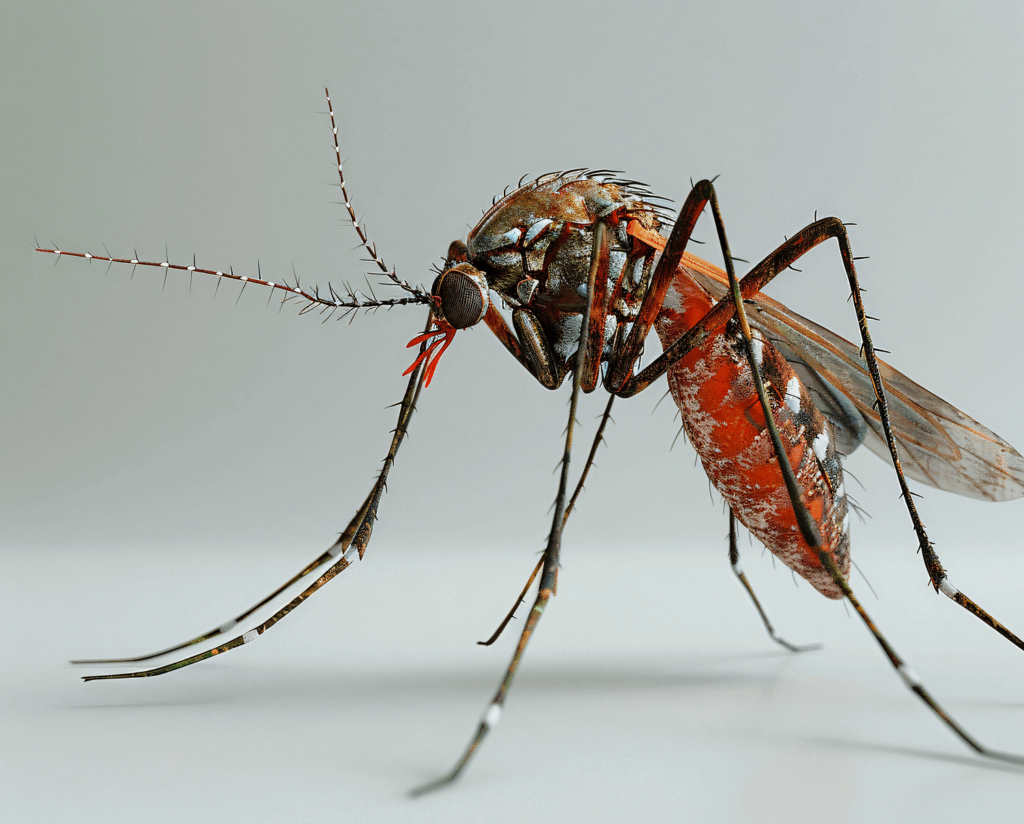
Many people assume that mosquito season ends with summer. Unfortunately, these persistent pests often stick around well into fall, thriving in hidden areas where warmth and moisture remain. Understanding where mosquitoes linger and how experts manage them is key to preventing those late-season bites that can carry disease and frustration into cooler months.
Professional mosquito control is not only about spraying; it involves identifying breeding zones, disrupting life cycles, and applying safe, science-backed methods that keep populations from rebounding.
Why Mosquitoes Stay Active In Fall
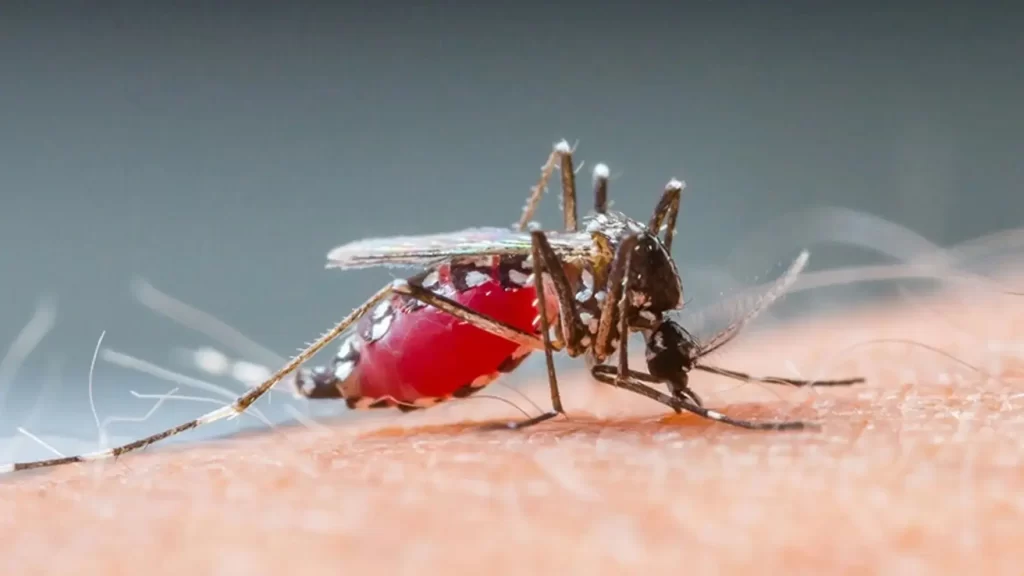
Mosquitoes are cold-blooded insects, so their activity level depends on temperature. While their breeding slows as temperatures drop, many species remain active until daytime highs dip below 50°F. Fall provides an ideal window for continued reproduction due to lingering warmth, frequent rain, and the abundance of stagnant water.
In regions with mild autumns, female mosquitoes also prepare for winter survival. Some lay eggs that remain dormant until spring, while others hibernate in attics, crawlspaces, or sheds. This is why late-season mosquito control is essential to prevent future outbreaks once temperatures rise again.
Environmental factors such as shaded yards, clogged gutters, and moist soil around irrigation systems create perfect shelters for mosquito activity even after summer ends. Ignoring these areas allows eggs and larvae to survive through winter.
Common Fall Mosquito Hotspots
Even as outdoor temperatures cool, certain parts of your property can continue to support mosquito breeding and resting sites. Identifying and treating these zones early helps prevent infestations from carrying over into the next year.
Here are some of the most common fall hotspots:
- Clogged gutters: Decomposing leaves and trapped rainwater create ideal mosquito nurseries.
- Flower pots and planters: Overwatered soil and saucers retain enough moisture for eggs to hatch.
- Drainage areas: Low-lying spots in lawns or near driveways collect puddles that last for days.
- Yard debris and compost piles: Decaying organic matter holds moisture, offering refuge for adult mosquitoes.
- Outdoor furniture and toys: Water that collects in folds, corners, or covers can harbor larvae.
- Under decks and porches: These shaded, humid spaces provide resting sites for adult mosquitoes.
Treating these areas before the first frost greatly reduces the chance of an early spring infestation. Homeowners can start with inspections, but full elimination requires professional-grade treatment and precision.
The Science Behind Professional Mosquito Control
Effective mosquito management involves more than just reducing adult populations. Professionals rely on an integrated approach that disrupts breeding, targets larvae, and applies treatments at the most strategic intervals.
Here’s how experts tackle the problem:
- Detailed property assessment: Specialists inspect your yard to locate standing water, shaded areas, and structural conditions that attract mosquitoes.
- Larvicide application: Safe biological or chemical treatments are applied directly to stagnant water sources, killing larvae before they become adults.
- Barrier sprays: Technicians apply controlled, eco-safe sprays on foliage and structures where adult mosquitoes rest during the day.
- Breeding site elimination: Technicians identify and eliminate recurring moisture sources, improving long-term control.
- Follow-up treatments: Consistent applications throughout the fall season ensure lingering populations don’t survive the transition into winter.
Professionals use data-driven strategies that consider weather patterns, pest biology, and property conditions. This targeted method ensures mosquito populations are reduced safely and effectively without overuse of chemicals.
To better understand why timing and precision matter, this overview on preparing for fall pests explains how early intervention keeps insects from sheltering indoors when temperatures drop.
Why DIY Mosquito Control Often Falls Short
DIY sprays and yard foggers may seem convenient, but they rarely provide lasting relief. These store-bought products typically contain diluted active ingredients and fail to reach breeding grounds where mosquitoes multiply.
There are several reasons home treatments don’t deliver professional results:
- Limited coverage: Most DIY solutions only treat open spaces, missing hidden breeding areas like gutters or drain lines.
- Short-term effectiveness: Wind, sunlight, and rain quickly break down over-the-counter sprays, requiring frequent reapplication.
- Resistance risk: Overuse of non-targeted insecticides can make mosquito populations more resilient over time.
- Improper handling: Inconsistent application or excessive use of chemicals can harm plants, pets, and beneficial insects.
In contrast, licensed technicians follow scientific protocols that balance effectiveness and safety. They apply the right product, at the right time, in the right place. Homeowners can learn more about the risks of untrained applications by reviewing this helpful article on why DIY pest control fails.
Preventing Future Infestations Through Seasonal Maintenance
Once mosquitoes are brought under control, keeping them from returning is the next challenge. Fall is the perfect season to address yard maintenance and make small adjustments that reduce breeding opportunities in the months ahead.
To maintain effective mosquito control, professionals often recommend:
- Emptying and cleaning birdbaths, fountains, and rain barrels regularly.
- Keeping gutters clear of leaves and debris.
- Leveling uneven soil or filling puddle-prone areas to prevent standing water.
- Trimming overgrown vegetation to reduce shade and humidity.
- Repairing leaky hoses, faucets, and irrigation systems that cause damp soil.
- Scheduling annual inspections to identify early mosquito activity before it spreads.
When these preventive steps are combined with professional treatments, they form a strong barrier against re-infestation and ensure comfort through the changing seasons.
Stay Ahead of the Swarm This Fall
Mosquito activity may slow as the weather cools, but it doesn’t stop entirely. Taking action now ensures your yard stays bite-free well into next spring. A strategic mosquito control plan protects not only your comfort but also your health and property value.For comprehensive, long-term solutions, schedule your service with Protek Pest and Lawn. Our trained specialists know where mosquitoes hide, how they breed, and how to stop them before they become a year-round problem.