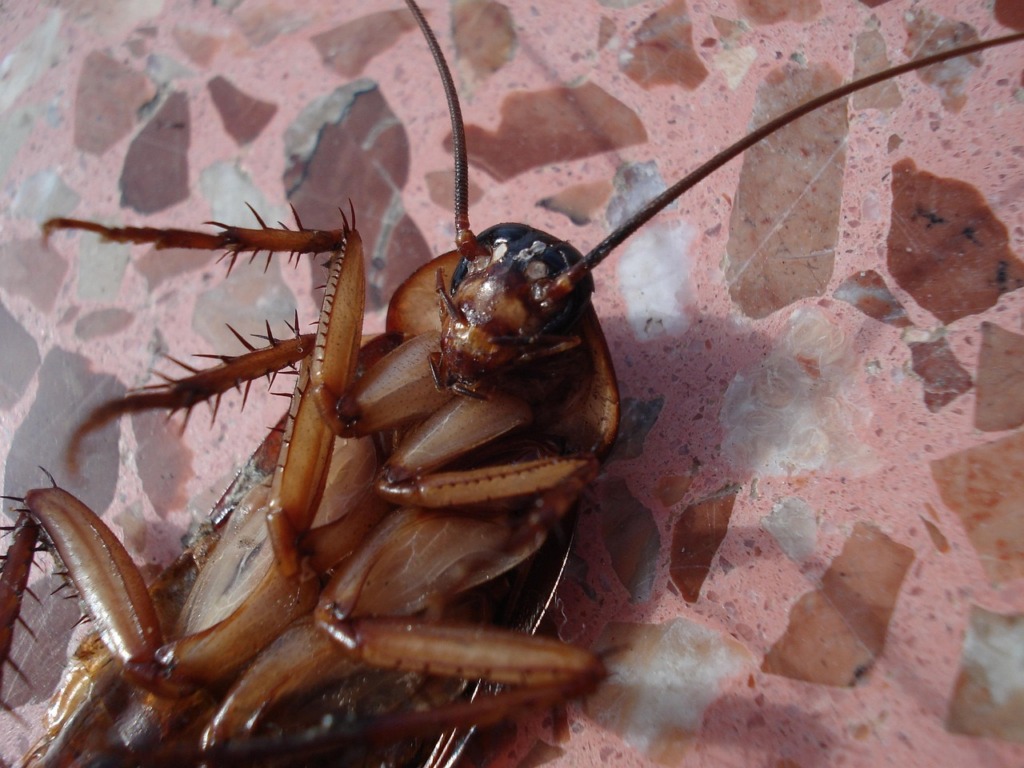
As temperatures drop and daylight shortens, cockroach activity changes in ways that often catch property owners off guard. While summer tends to bring visible infestations, the fall season marks a period of internal transition for these pests. They begin adapting their behavior and reproductive cycles to survive cooler temperatures, often migrating indoors to seek warmth and food.
Understanding how the cockroach life cycle shifts during fall is crucial for effective prevention and management. These pests may appear less active on the surface, but beneath walls, floors, and appliances, colonies continue to grow. Knowing what happens during this seasonal adjustment helps identify hidden infestations early and informs better cockroach control strategies.
The Cockroach Life Cycle Explained
To understand fall infestations, it helps to know the basic stages of a cockroach’s life cycle. Cockroaches undergo three primary phases: egg, nymph, and adult. Each stage requires specific conditions for growth, and seasonal changes influence how quickly they progress.
- Egg stage. Female cockroaches produce egg cases called oothecae, which contain up to 50 eggs depending on the species. During fall, they often move these cases indoors, where warmth and humidity protect developing offspring.
- Nymph stage. Nymphs resemble smaller versions of adults but are wingless. They molt several times before reaching maturity. In cooler weather, molting slows, prolonging this stage.
- Adult stage. Mature cockroaches reproduce and spread rapidly when conditions are favorable. Fall’s cooler temperatures often push them indoors to maintain the warmth necessary for survival.
Each of these stages adapts to the environment, meaning that even if cockroach sightings decrease, their population can still thrive within walls or behind hidden structural gaps.
Why Fall Triggers Indoor Migration
When outdoor conditions become less favorable, cockroaches instinctively move toward indoor environments that offer steady temperatures, moisture, and food. Homes and businesses become ideal shelters where they can continue reproducing.
Here’s why cockroach activity shifts indoors during fall:
- Temperature changes. Cockroaches are cold-blooded and rely on external warmth to regulate body function. Indoor heat provides ideal conditions for breeding.
- Food availability. Outdoor sources diminish as vegetation dies off, forcing cockroaches to scavenge pantries, trash bins, and kitchen residue.
- Shelter needs. Cracks in foundations, basements, and plumbing entry points offer easy access to warm hiding spots.
- Reduced competition. As other insects become dormant, cockroaches face fewer predators and thrive with less threat.
Because of this behavioral shift, infestations often go unnoticed until colder months set in. Regular monitoring and maintenance help prevent small populations from becoming larger problems. For additional insights on proactive seasonal monitoring, refer to this helpful discussion on fall pest tracking.
How Seasonal Changes Affect Reproduction and Growth
Fall doesn’t halt the cockroach life cycle; it alters it. Instead of fast-paced summer reproduction, these pests enter a slower, more conservative growth phase that still sustains their colonies indoors.
Several key adjustments occur during this period:
- Extended egg incubation. Cooler air slows egg development, meaning cases remain viable for longer. This delay can cause overlapping generations when temperatures stabilize again.
- Lower mobility, higher nesting. Cockroaches move less frequently but form denser clusters in protected areas, increasing localized infestations.
- Strategic feeding. Instead of constant foraging, they rely on stored food particles and moisture sources.
- Survival-focused behavior. They shift energy from reproduction to preservation, staying close to reliable food and heat sources.
Because these cycles occur out of sight, infestations can seem dormant when, in fact, they are quietly multiplying in confined areas. Routine inspections and professional evaluation during the fall are essential to address hidden activity before it expands in spring.
The Role of Professional Cockroach Control During Fall
Homeowners often assume pest control isn’t necessary during colder months, but this misconception allows infestations to gain strength unnoticed. Fall is actually a strategic time for professional cockroach control because technicians can target hidden colonies before reproduction peaks again in warmer seasons.
Professional methods focus on eliminating both visible and concealed populations. Key techniques include:
- Targeted bait placement. Experts use strategically located baits that disrupt colony behavior and reproduction cycles.
- Crack and crevice treatment. Specialized equipment reaches deep harborages where sprays and store-bought traps cannot.
- Sanitation and exclusion. Identifying and sealing structural gaps prevents reinfestation while maintaining hygienic environments.
- Ongoing monitoring. Regular follow-ups ensure populations remain suppressed throughout changing seasons.
Attempting DIY methods often leads to partial results or chemical misuse that fails to address the root of the problem. Professional assessments ensure precise treatment with lasting outcomes. For a detailed look at these expert strategies, review this comprehensive guide on effective cockroach elimination.
Preparing Your Property for Fall Infestations
Proactive maintenance plays a significant role in minimizing cockroach activity during the fall. Whether managing a home, restaurant, or office, simple precautions can make a major difference in preventing infestations.
Effective preventive steps include:
- Inspect entry points. Seal cracks in walls, baseboards, and around plumbing or vents to block access routes.
- Reduce moisture. Fix leaky pipes and ensure proper ventilation in bathrooms and kitchens.
- Store food securely. Keep dry goods in sealed containers and empty trash regularly.
- Clean regularly. Remove crumbs, grease, and residue from under appliances and furniture.
- Schedule professional inspections. Annual or semiannual evaluations detect hidden infestations before they worsen.
A combination of cleanliness, maintenance, and expert inspection provides the strongest defense against seasonal infestations.
Stay Ahead of Fall Infestations
Cockroaches adapt quickly to seasonal changes, using fall’s cooler climate as an opportunity to move indoors and prepare for winter survival. Recognizing their life cycle shifts and applying professional solutions early helps maintain a healthy, pest-free environment year-round.For detailed inspections and expert cockroach control, contact Protek Pest and Lawn to schedule a fall service and protect your property before infestations take hold.