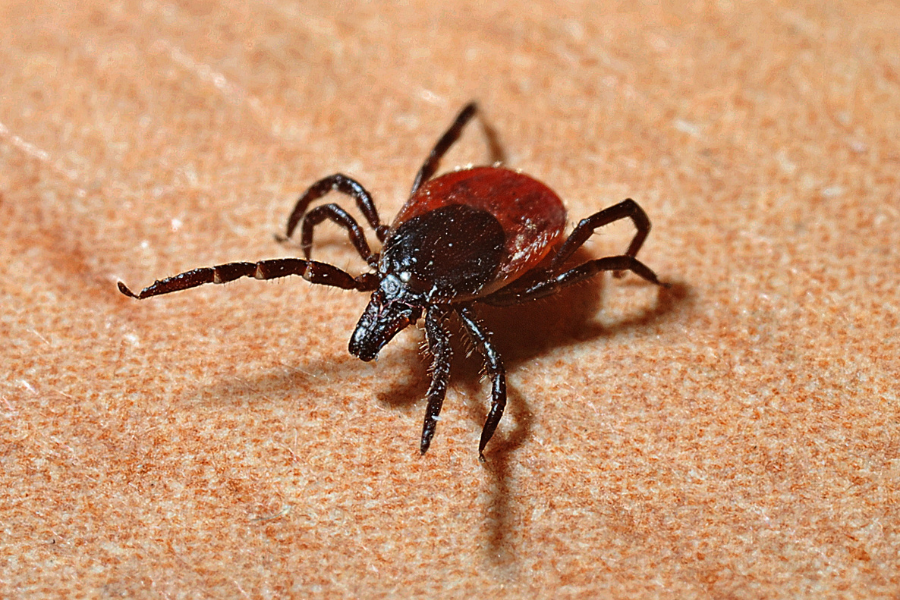
Fleas and ticks are often associated with warm seasons, but their behavior during cooler weather is more complex than many homeowners realize. As temperatures begin to drop, these pests shift their activity patterns in ways that allow them to survive, reproduce, and continue feeding despite environmental changes. Understanding flea and tick behavior during the cooler months helps homeowners better protect pets and living spaces before infestations become difficult to manage.
Unlike many insects that slow down dramatically when fall arrives, fleas and ticks remain active under indoor conditions and can continue thriving outdoors for longer than expected. Their survival strategies make it important to maintain consistent prevention even when the weather turns cold.
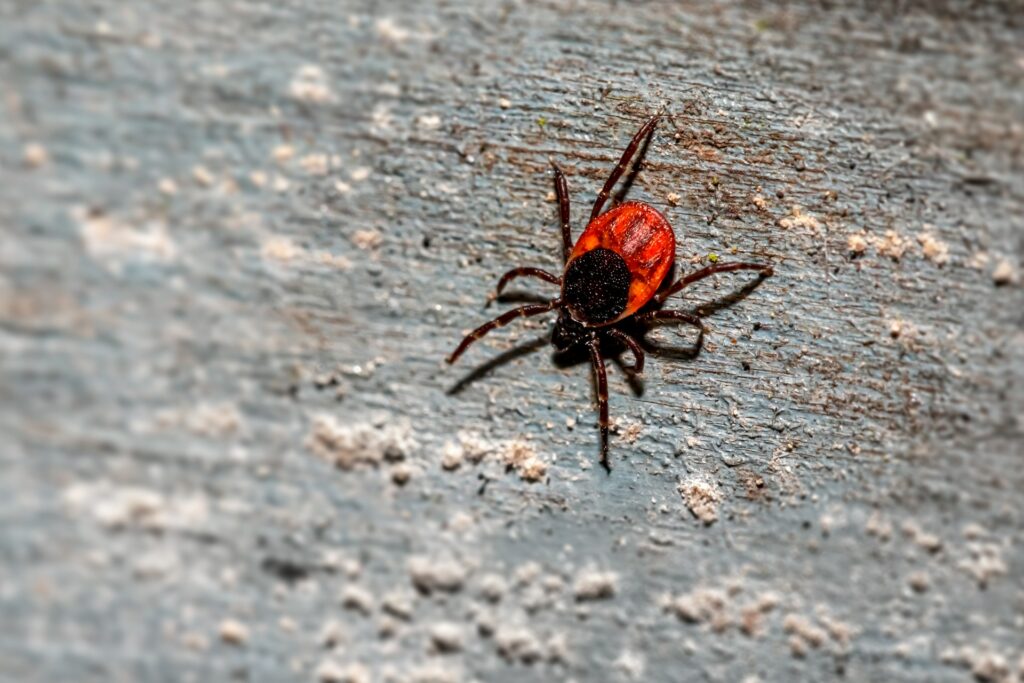
Why Fleas and Ticks Adapt Easily to Cooler Weather
Fleas and ticks are resilient pests with survival patterns that allow them to withstand fluctuating temperatures. Cooler weather does not eliminate their activity. Instead, it encourages them to seek out stable heat sources that support their life cycles.
Important adaptations include:
- Reliance on warm hosts such as pets for temperature regulation
- Ability to hide in leaf litter, debris, or shaded areas outdoors
- Continued reproduction indoors where temperatures remain steady
- Delayed development stages that activate when conditions improve
Both pests can slow their metabolism when temperatures drop, allowing them to survive in outdoor environments longer than homeowners may expect. Indoor heating, warm bedding, and soft furnishings create ideal overwintering locations once they enter the home.
For homeowners concerned about treatment outcomes, this guide on DIY removal risks explains the challenges associated with handling infestations without proper methods.
Where Fleas and Ticks Hide During the Fall Season
As the weather cools, both fleas and ticks become more strategic in selecting hiding spots. Their focus shifts to areas that provide warmth, moisture, and protection from environmental stress. Identifying these hotspots early helps homeowners prevent infestations from spreading.
Common fall hiding places include:
- Pet bedding and blankets that retain heat
- Thick carpets or fabric furniture where pests avoid foot traffic
- Shaded outdoor zones like under decks, shrubs, or piles of leaves
- Cracks along baseboards or floors where warmth collects
Ticks often gather in wooded or shaded areas outdoors, waiting for pets or people to pass by. Fleas, on the other hand, may hide indoors in soft fabrics, where they can reproduce continuously during cooler months.
Because these pests choose concealed areas, infestations often go unnoticed until populations increase significantly. Regular inspection of pet resting areas helps reveal early signs of activity.
How Flea and Tick Behavior Affects Pets in Cooler Months
Pets remain primary hosts for both fleas and ticks regardless of the season. Cooler weather does not reduce the risk of bites or irritation. Instead, it may cause some pests to feed more aggressively before winter conditions affect their movement.
Behaviors that impact pets include:
- Increased feeding before temperature drops limits outdoor mobility
- Greater indoor reproduction due to stable warmth
- Higher likelihood of ticks attaching during fall outdoor activities
- Increased irritation, scratching, and risk of skin infections
Because pets spend more time indoors during the fall, they may unknowingly bring fleas or ticks into areas where pests can spread quickly. Infestations often start with a single flea or tick that multiplies in the warmth of indoor environments.
Keeping an eye on skin irritation, restlessness, or visible bites helps identify early signs, but infestations can grow silently even when symptoms appear mild.
Why DIY Fall Treatments Often Fail to Control Pests
Many homeowners attempt to manage fleas and ticks with store-bought treatments, especially when the pests appear less active during cooler weather. However, surface-level treatments rarely address the deeper issues that support ongoing infestations.
Common DIY challenges include:
- Treating only adult pests while eggs and larvae remain untouched
- Missing hidden hotspots where pests reproduce
- Using ineffective products that fail to eliminate ticks fully
- Overlooking environmental factors that allow pests to return
Flea and tick behavior becomes more unpredictable in cooler weather, making it difficult to rely on simple do-it-yourself methods. Some pests slow down temporarily but revive once temperatures rise again indoors. Ticks may enter a dormant state, reemerging later.
For homeowners exploring seasonal prevention approaches, this resource on fall pest monitoring provides helpful insights into how professionals manage pest activity more effectively during transitional weather.
Because fleas and ticks can remain active in hidden areas, addressing infestations thoroughly requires inspecting both indoor and outdoor environments. This ensures that no pockets of activity remain after treatment.
Long-Term Prevention for Cooler Weather Conditions
Consistent prevention plays the most important role in controlling flea and tick behavior during fall and early winter. Even when bite activity appears to slow, pests continue developing in concealed locations. A long-term approach protects both pets and home environments.
Effective prevention strategies include:
- Washing pet bedding frequently to remove eggs and larvae
- Vacuuming carpets and upholstered furniture to disrupt hiding spots
- Checking pets regularly after outdoor walks or yard activity
- Maintaining clear outdoor areas by removing leaf piles and debris
Outdoor maintenance is particularly important during the fall. Leaf litter and shaded landscaping provide ideal environments for ticks as temperatures drop. Keeping yards clean reduces tick exposure, especially in areas where pets spend time.
Indoor maintenance supports long-term comfort and cleanliness. Fleas often develop in quiet, warm areas that pets use daily, so routine cleaning helps prevent unnoticed outbreaks.
Professional inspection supports these efforts by identifying problems that homeowners cannot easily see, such as hidden tick resting zones or flea development beneath carpet padding.
A Safer Way to Protect Your Pets and Home
For thorough inspections, targeted treatments, and reliable fall season protection, reach out to Protek Pest and Lawn. We offer expert support designed to keep pests under control as temperatures cool.