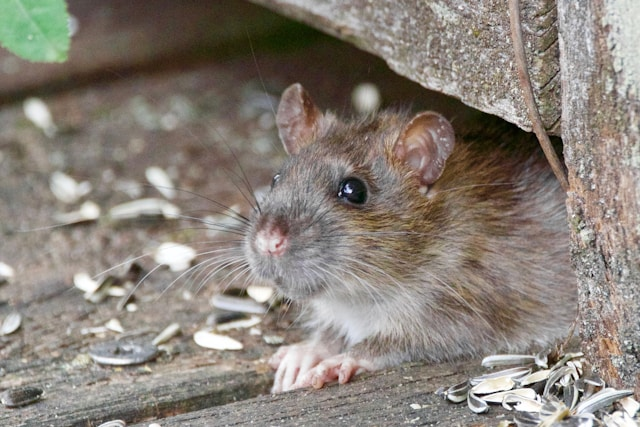
When winter temperatures drop, rodents shift into survival mode. Mice and rats look for stable warmth, easy calories, and hidden nesting space, and a home can offer all three in a single night. That is why cold months often trigger sudden scratching sounds in walls, pantry contamination, and repeat sightings even after a quick fix seems to work.
As pest experts, we treat winter rodent pressure as a predictable cycle, not a surprise event. Effective rodent control is built on two priorities: stopping entry and preventing re-entry. That requires methodical inspection, precise exclusion work, and ongoing monitoring that adapts as weather and rodent behavior change. Instead of chasing a single visible animal, professional work focuses on the full pathway that brought rodents indoors, along with the conditions that keep them there.
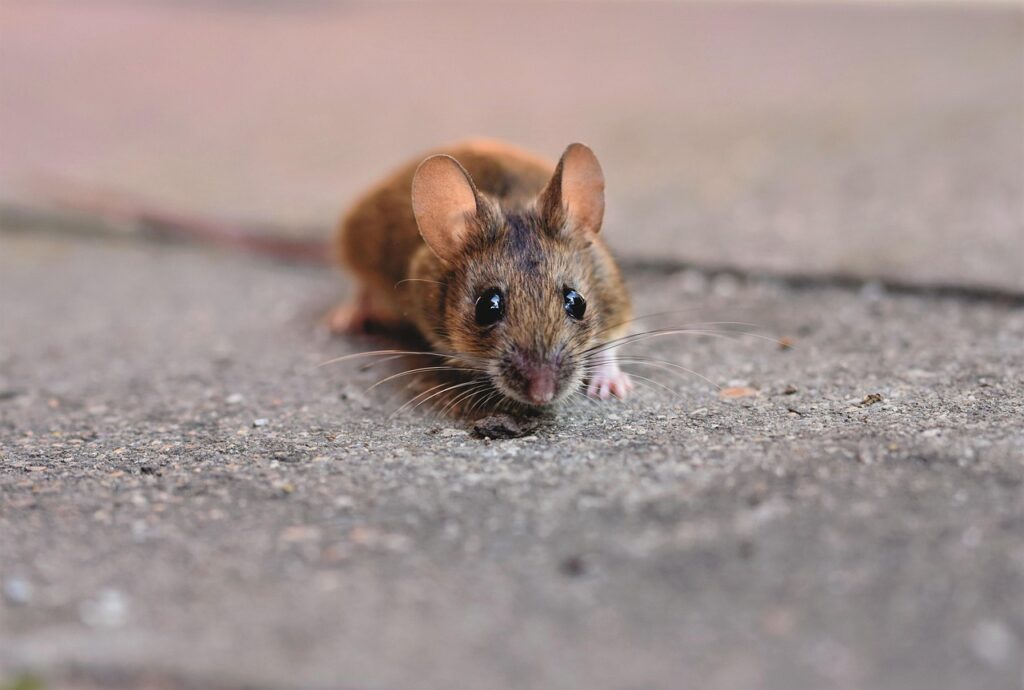
What changes in winter and why rodents get inside
Rodents do not need a large opening to enter. Small gaps along the exterior envelope become critical access points when cold winds push mice and rats toward sheltered voids. Once inside, rodents follow edges, pipes, and wiring routes that provide cover and lead to food and nesting sites.
During winter, we typically see three overlapping drivers:
- Temperature sheltering: Wall voids, attics, and crawl spaces retain heat, especially near ductwork and plumbing runs.
- Food reliability: Pantries, pet food, bird seed, and even grease residue can support activity when outdoor sources decline.
- Protected nesting: Insulation and stored materials create soft, undisturbed spaces for nesting and breeding.
This is also the season when risky shortcuts tend to backfire. Understanding DIY bait risks helps clarify why unplanned baiting can create indoor hazards and still fail to address how rodents are entering and moving through a structure.
How pest experts inspect homes for hidden rodent pathways
A winter inspection is not a quick walk-through. We look for evidence, entry physics, and travel patterns, then connect those findings into a single map of activity. Rodents leave consistent markers, but those markers are often subtle until you know where to look and how to interpret them.
Professional inspection work typically includes:
- Exterior gap tracing: We check foundations, siding transitions, roofline intersections, garage edges, utility penetrations, and vent points for access routes.
- Interior evidence review: We identify droppings, rub marks, gnawing, grease trails, nesting materials, and odor pockets that indicate active zones.
- Moisture and heat clues: We note condensation areas, warm wall sections, and plumbing corridors that rodents prefer during cold spells.
- Route confirmation: We track how rodents travel between entry points and resources, including attic runs, wall voids, and garage-to-kitchen pathways.
This approach matters because winter activity often concentrates in concealed spaces. A home can have multiple access points and multiple activity zones at the same time. If one access point is missed, rodents can continue cycling in, making the problem feel endless.
Rodent control strategies that work in cold weather
Winter rodent control is most effective when it is layered. Removal alone is not enough if entry remains open, and sealing alone can fail if active rodents are already established inside. Pest experts combine evidence-based removal with exclusion, then verify results through monitoring.
A winter-focused plan often includes:
- Targeted exclusion: We seal confirmed entry gaps with durable materials designed to withstand temperature swings and chewing pressure.
- Controlled removal: We use placement logic based on confirmed routes and activity zones, not guesswork, to reduce lingering populations.
- Monitoring and adjustment: We verify movement patterns over time and adjust placements as rodents shift deeper into shelter areas during colder weeks.
- Sanitation guidance without DIY pushing: We identify attractants that increase indoor pressure and recommend practical changes that support professional results.
The goal is stability. Once rodents are kept out, the home should stay protected as conditions change. That is why many homeowners value long-term assurance. Learning how a pest-free guarantee supports ongoing prevention can help set expectations for what lasting protection looks like in real homes during winter.
Why ongoing winter monitoring prevents repeat invasions
Rodent behavior shifts with weather fronts, cold snaps, and changing food availability. A mild week can increase outdoor movement, while a sudden freeze can drive a new surge indoors. Professional oversight accounts for these fluctuations, which is difficult to replicate with one-time interventions.
Ongoing winter monitoring helps by:
- Catching new pressure early: If fresh activity appears, we respond before rodents spread into new wall voids or storage zones.
- Confirming exclusion success: We verify that sealed points remain intact and that new stress points do not open as materials contract in the cold.
- Preventing relocation indoors: When rodents are pressured, they may move within the structure. Monitoring helps prevent the problem from shifting from garage to attic to kitchen.
- Documenting patterns: We track activity and risk areas so the home becomes progressively less vulnerable each season.
This is the difference between temporary relief and sustained control. A winter plan should reduce current activity and also make the home harder to invade next year. That is where pest experts deliver the most value, by managing both the immediate issue and the structural conditions that enable it.
Winter-proof your home with a smarter plan
If winter rodent activity is disrupting comfort or creating repeated concerns, professional support can help close the gaps and stabilize results. Contact Protek Pest and Lawn to discuss a winter-focused approach designed to keep homes protected and rodent-free.