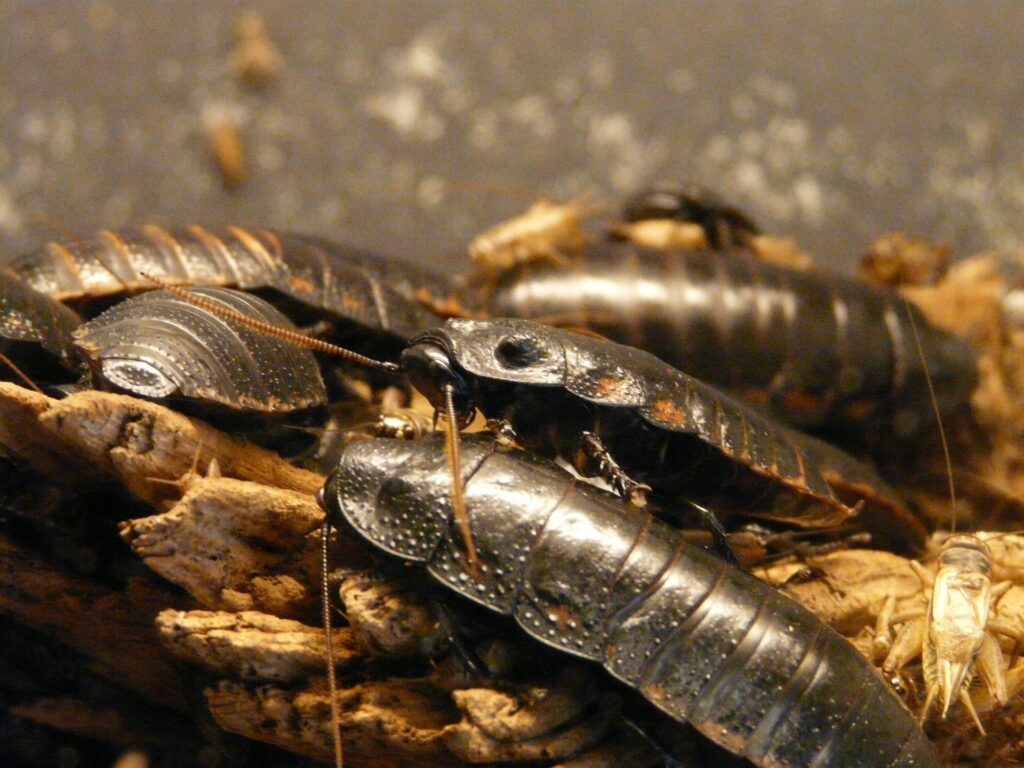
Cold weather does not eliminate cockroach activity. As outdoor temperatures drop, cockroaches seek stable warmth, moisture, and food sources indoors. Winter often concentrates their movement into hidden areas of the home, making infestations harder to detect and easier to spread unnoticed. From an expert perspective, winter prepping focuses on identifying these hiding zones early and reducing the conditions that allow cockroaches to remain active year-round.
Cockroaches are resilient and adaptive. They can survive on minimal resources and remain concealed for long periods, especially during winter when activity shifts deeper into structures. Effective cockroach control relies on understanding where they hide, why those locations matter in colder months, and how professional strategies interrupt their survival cycle.
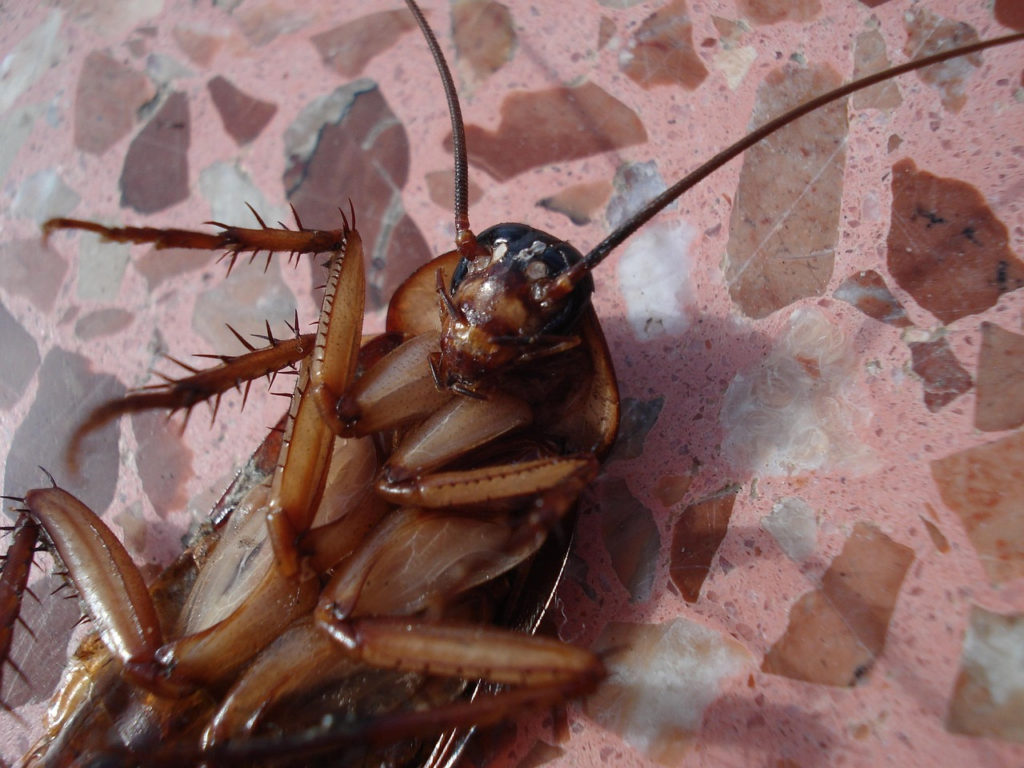
Why cockroaches become harder to detect in winter
During warmer seasons, cockroach activity is often more visible due to increased movement and breeding. Winter changes this pattern. Lower temperatures slow surface activity, but populations do not disappear. Instead, cockroaches relocate closer to heat sources and protected spaces inside the home.
Winter conditions drive cockroaches toward:
- Wall voids near plumbing and electrical lines
- Areas behind appliances that produce residual warmth
- Moist spaces such as under sinks, laundry rooms, and bathrooms
- Storage areas with cardboard, clutter, or food residue
Understanding seasonal shifts in behavior is essential. Learning about seasonal life cycle changes helps explain why infestations can seem quiet during winter yet reappear aggressively once conditions improve. Without proper winter prepping, hidden populations often emerge stronger in spring.
High-risk indoor hiding spots pest experts prioritize
Professional inspections focus on locations that provide the three essentials cockroaches need to survive: warmth, moisture, and access to food. Winter increases reliance on these protected zones, making targeted identification critical.
Pest experts routinely assess:
- Gaps behind kitchen appliances, especially refrigerators and dishwashers
- Cabinet interiors near plumbing lines and drain penetrations
- Baseboards and trim where heat transfer occurs
- Utility rooms, basements, and crawl spaces with fluctuating humidity
These areas allow cockroaches to stay active while avoiding human detection. Because winter infestations often remain hidden, relying on surface sightings alone can underestimate the scale of the issue. Professional cockroach control addresses these concealed environments directly, reducing the chance of populations spreading unnoticed.
Structural vulnerabilities that support winter cockroach survival
Cockroaches exploit structural weaknesses that allow heat and moisture retention. Even well-maintained homes can develop vulnerabilities over time due to seasonal expansion, contraction, and routine wear.
Common winter vulnerabilities include:
- Cracks along foundations and slab edges
- Openings around pipes, vents, and utility lines
- Worn seals around doors and windows
- Gaps between cabinetry, walls, and flooring
These entry and shelter points allow cockroaches to move between rooms without exposure. Winter prepping focuses on identifying and reinforcing these areas so indoor conditions become less favorable. While sealing and sanitation play a role, professional evaluation ensures that hidden access routes are addressed systematically rather than superficially.
Why winter cockroach control requires professional planning
Cockroach infestations rarely resolve through isolated actions. Winter adds complexity because reduced surface activity can create a false sense of control while populations remain active behind walls and fixtures. Pest experts take a strategic approach that considers seasonal behavior, structural layout, and long-term prevention.
Professional winter planning typically involves:
- Detailed inspections that map movement and nesting zones
- Targeted treatments placed where cockroaches actually harbor
- Monitoring that confirms population decline over time
- Adjustments based on temperature shifts and indoor conditions
This structured approach helps prevent rebound infestations once warmer weather returns. Ongoing protection is especially important, which is why many homeowners explore the value of quarterly protection plans that maintain consistent oversight instead of reacting to visible problems alone.
Long-term benefits of addressing hiding spots before spring
Winter prepping is not just about current activity. It is about limiting future infestations by disrupting breeding cycles and removing shelter opportunities before cockroaches expand again. Homes that address hiding spots during colder months often experience fewer issues during peak seasons.
By reducing hidden populations in winter, pest experts help:
- Lower infestation pressure in spring and summer
- Minimize the spread into kitchens and living areas
- Protect stored food and surfaces from contamination
- Maintain healthier indoor environments year-round
Cockroach control works best when it is proactive rather than reactive. Winter offers a strategic window to address concealed activity when populations are more concentrated and predictable.
Prepare your home before hidden infestations grow
Winter is an ideal time to reduce cockroach hiding spots and limit long-term activity. For expert support and effective prevention strategies, contact Protek Pest and Lawn to discuss winter-focused solutions designed to keep homes protected throughout the year.