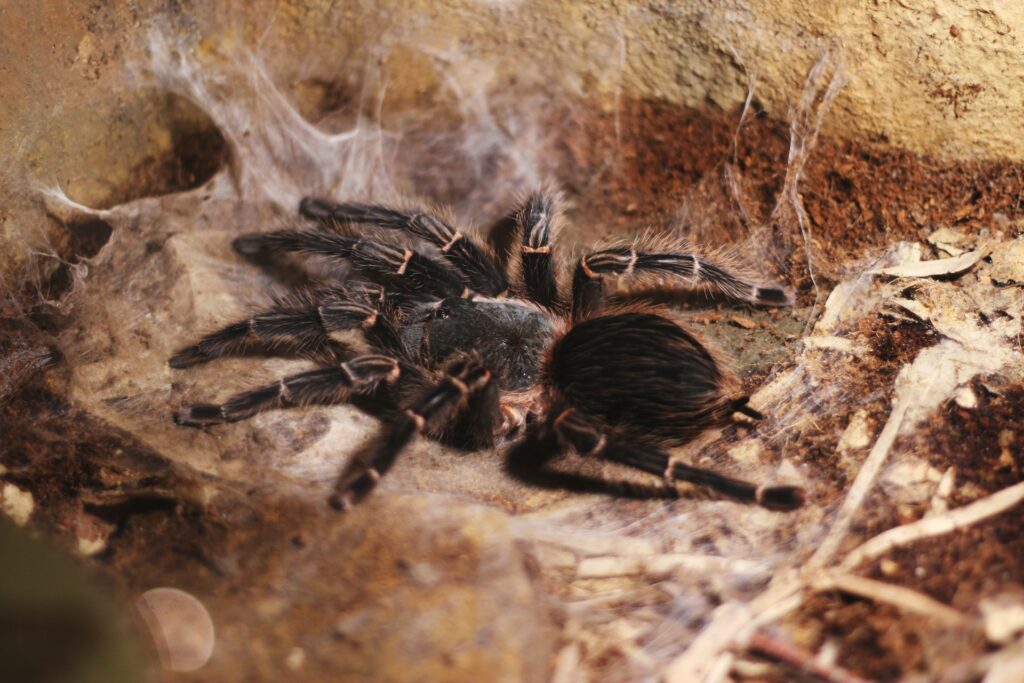
Spider activity in Palm Bay homes is often more noticeable than expected, especially during warmer months when pest populations increase. While a single spider may not seem concerning, repeated sightings can signal a deeper issue developing within the home. A growing spider infestation is rarely random. It is usually tied to environmental conditions, available food sources, and access points that allow spiders to settle indoors.
Understanding why spiders appear and how infestations develop is an important step toward long-term control. When approached with proper pest control strategies, it becomes easier to reduce activity and prevent recurring problems.
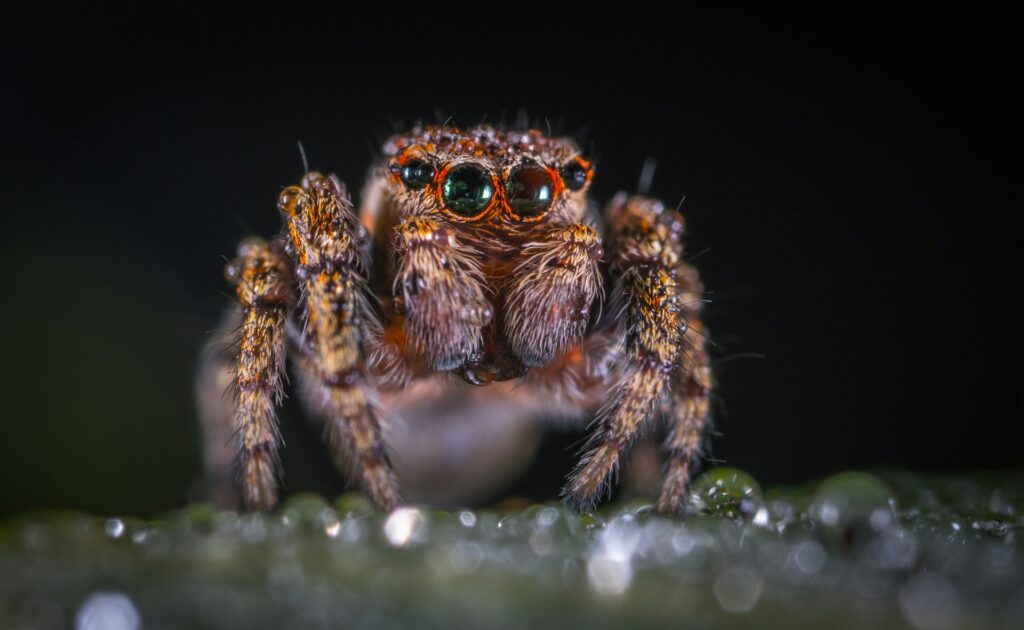
Why Spiders Are Drawn To Palm Bay Homes
Palm Bay’s climate creates an ideal environment for many pests, including spiders. Warm temperatures and humidity support insect activity, which in turn attracts spiders looking for food. Since spiders rely on other pests to survive, their presence often indicates a broader pest issue within the home.
In addition to food availability, spiders seek shelter in quiet, undisturbed areas. Homes provide consistent conditions that protect them from weather changes and predators. This combination of food and shelter makes residential spaces highly attractive.
Spiders are not the only pests influenced by these conditions. Ants, cockroaches, rodents, termites, and other common intruders also thrive in similar environments. Addressing spider activity often involves understanding how these pests interact within the same space.
Common Causes Of Spider Infestation Indoors
- Abundant insect activity. A steady food supply encourages spiders to remain and reproduce
- Cluttered storage areas. Boxes, furniture, and unused spaces provide ideal hiding spots
- Open entry points. Gaps around windows, doors, and foundations allow spiders to enter easily
- Outdoor lighting. Lights attract insects, which then attract spiders to nearby areas
- High humidity levels. Moist environments support both spiders and their prey
These factors create conditions where spiders can settle and expand over time. Even minor issues, such as small entry gaps or overlooked clutter, can contribute to a larger spider infestation if not addressed early.
Hidden Areas Where Spider Activity Builds Over Time
- Attics and crawl spaces. Low-traffic areas allow spiders to build webs undisturbed
- Basements and storage rooms. Limited light and movement make these areas ideal for nesting
- Behind appliances and furniture. Hidden spaces provide protection and access to insects
- Garages and sheds. Frequent openings allow spiders to enter and remain unnoticed
- Ceiling corners and wall edges. Common web-building locations that often go unchecked
These locations often go unnoticed during routine cleaning. As a result, spider populations can grow gradually without immediate detection. By the time webs become visible, the infestation may already be established.
How Seasonal Changes Influence Spider Infestation
Seasonal shifts play a major role in spider activity. During spring and summer, insect populations increase, giving spiders more opportunities to feed and reproduce. As temperatures fluctuate, spiders may move indoors in search of stable conditions.
This seasonal pattern explains why spider infestation tends to peak at certain times of the year. Increased outdoor activity drives spiders closer to structures, where they find both shelter and food sources.
Understanding these patterns can help guide prevention efforts. For example, learning more about spring pest activity provides insight into how different pests become more active during this time and how it affects indoor environments.
Why One-Time Solutions Often Fail
It can be tempting to address a spider infestation with a one-time treatment when activity becomes noticeable. While this may reduce visible spiders temporarily, it rarely resolves the underlying conditions that caused the problem.
Spiders will continue to return if their food sources remain available and entry points are not addressed. This is why effective pest control focuses on long-term management rather than short-term relief.
A structured approach considers how pests interact within the home and how environmental factors contribute to ongoing activity. Without this level of planning, infestations are likely to repeat over time.
Preventive Steps That Support Long-Term Control
- Reduce insect activity. Limiting food sources helps decrease spider presence
- Seal entry points. Closing gaps prevents spiders from entering the home
- Manage clutter. Organized spaces reduce hiding and nesting areas
- Adjust lighting placement. Moving lights away from entry points limits insect attraction
- Maintain regular inspections. Ongoing monitoring helps catch issues early
These steps contribute to a more controlled environment. However, they are most effective when part of a broader pest control plan that addresses both spiders and the pests they rely on.
Understanding how consistent service supports long-term results can provide additional clarity. Exploring the importance of ongoing protection plans highlights how structured approaches help maintain a stable, pest-free environment.
Building A More Effective Approach To Spider Control
Managing spider infestation in Palm Bay homes requires more than reacting to visible activity. It involves understanding how spiders enter, where they settle, and what conditions allow them to thrive. By addressing these factors, it becomes possible to reduce activity and prevent future infestations.
Long-term pest control strategies focus on consistency, monitoring, and targeted treatment. These methods help maintain a balanced indoor environment while reducing the likelihood of recurring problems.
Take Control Of Spider Activity Before It Grows
If you are noticing signs of spider infestation or want to prevent issues from developing, a proactive approach can make a lasting difference. Reach out to Protek Pest and Lawn to explore pest control solutions designed to manage spider activity and protect your home over time.