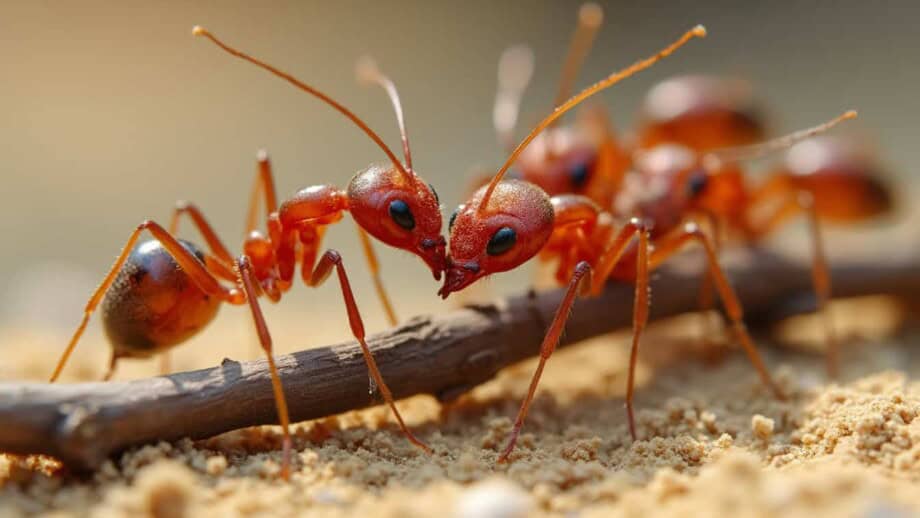
Ants can make a clean home feel strangely vulnerable. A few appear near the sink, then a line forms along the baseboard, and soon the same trail returns. Visible ants are only one part of the colony’s larger system. Workers follow scent trails, gather food, locate moisture, and report back to the nest.
Effective ant control focuses on the source, not only the trail. In Florida’s warm, humid environment, ants stay active around kitchens, bathrooms, patios, lawns, and foundation edges. Homes may also face pressure from cockroaches, mosquitoes, rodents, spiders, ticks, fleas, flies, beetles, earwigs, snakes, bees, and wasps when moisture, openings, or outdoor conditions support pest activity.
Find The Source Before The Trail Reforms
Ant trails are communication lines. When workers find food or water, they leave a chemical path that guides other ants to the same spot. Cleaning the trail may reduce activity for a moment, but the colony can rebuild movement if the source remains active.
The first step is understanding where ants are coming from and why they chose that route. Professional inspections often reveal details that casual observation misses, including gaps behind trim, movement along plumbing lines, nesting near mulch, or activity around damp soil.
Important source clues include:
- Trails. Repeated movement along the same edge can show the direction of the colony.
- Moisture. Leaks, condensation, and damp soil can keep ants interested in one area.
- Food. Grease, crumbs, pet bowls, and pantry spills can support repeat visits.
- Openings. Cracks around windows, doors, pipes, and foundations can become access points.
- Nesting. Colonies may sit outdoors, under slabs, inside wall voids, or near landscaped beds.
Once the source is understood, treatment can be placed with more purpose. This keeps the response from becoming a short-lived surface effort.
Reduce Conditions That Invite Ants Back
Long-term ant prevention depends on reducing the conditions that make the home attractive. Ants often return because the same food, water, shelter, or access points remain available after the first wave disappears. A property may look orderly while still offering crumbs, hidden moisture, or small exterior gaps.
Seasonal pressure makes this even more important. This guide on spring pest pressure explains how changing weather can increase pest movement and make prevention more necessary.
Helpful prevention priorities include:
- Storage. Keep dry goods sealed and avoid leaving sugary or greasy residue exposed.
- Cleaning. Focus on appliance edges, cabinet corners, trash areas, and dining spaces.
- Drainage. Keep water from collecting near the foundation, patio, or lawn edges.
- Sealing. Close small gaps where ants may enter from outdoors.
- Landscaping. Trim vegetation and avoid letting mulch sit tightly against the structure.
These steps support control, but they work best when paired with a professional treatment plan that targets the colony, not just the kitchen trail.
Use Professional Treatment For Colony-Level Control
Ant colonies are organized and persistent. Some colonies have satellite nests, multiple entry points, or routes that shift when disturbed. A product applied in the wrong place can scatter activity or cause ants to move deeper into hidden areas. This is why colony-level control requires identification, placement, and follow-through.
Professionals evaluate the ant species, nesting behavior, building layout, and surrounding lawn conditions before choosing a plan. The treatment may involve targeted applications, exterior barrier work, bait placement, monitoring, and recommendations for structural or moisture improvements. If other pests are present, the inspection can also reveal the following pests: cockroach, rodent, mosquito, spider, tick, flea, bee, wasp, fly, beetle, earwig, or snake.
A strong professional approach may include:
- Identification. Different ants respond better to different treatment strategies.
- Targeting. Applications are placed near activity sources rather than random surfaces.
- Baiting. Properly selected bait can reach the colony through worker movement.
- Barriers. Exterior treatment helps reduce pressure before ants move inside.
- Follow-up. Continued checks confirm whether activity is declining or shifting.
This approach helps prevent repeated one-time attempts that never interrupt the colony.
Keep Protection Consistent After Activity Drops
Ant activity may decline quickly after treatment, but that does not mean the home should be forgotten. Weather changes, irrigation, lawn growth, nearby construction, or food availability can create new pressure. Regular monitoring helps catch early movement before trails become established again.
Consistency also matters because a pest-free-looking home may still have vulnerabilities. Certified technicians can review whether earlier entry points remain sealed, whether moisture has returned, and whether outdoor pest conditions are changing. Information about service guarantees also shows why dependable follow-up is part of effective pest management.
The best long-term results come from treating ant control as a property-wide process. When indoor care, lawn conditions, moisture management, exclusion, and monitoring work together, ants have fewer reasons to return.
Keep Ant Colonies From Rebuilding Their Path
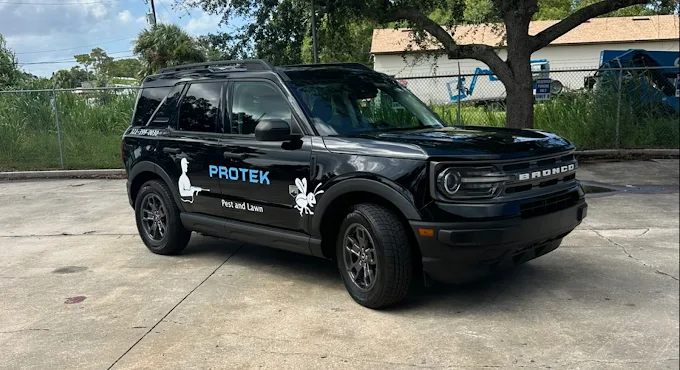
Ants return when the colony still has access, food, moisture, or shelter. A professional inspection and targeted plan can address the hidden source while helping protect the home from future activity. For reliable ant control and long-term pest support, contact Protek Pest and Lawn.