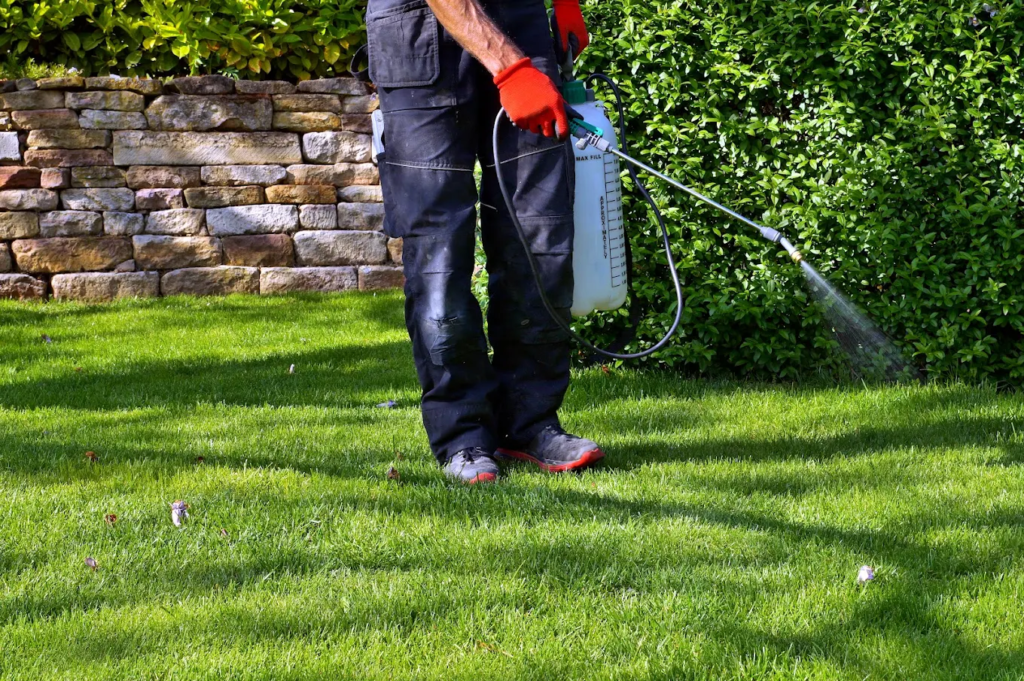
Palm Bay’s warm climate gives pests fewer true off-seasons. Heat, rain, dense landscaping, irrigated lawns, and nearby water can keep ants, beetles, cockroaches, earwigs, flies, mosquitoes, rodents, snakes, spiders, ticks, fleas, wasps, and weeds active at different points of the year. A home may seem quiet for a few weeks, then show trails, bites, droppings, webbing, or yard activity as soon as conditions shift.
Year-round pest control matters because pest pressure is rarely solved by reacting to one sighting. In Palm Bay, moisture, shade, entry points, and outdoor growth can support pests before they reach living spaces. A professional plan tracks those changes, treats active areas, and helps reduce the conditions that allow problems to repeat.

Rain And Moisture Keep Pressure Moving
Rain is one of the biggest reasons pest activity changes quickly in Florida. Moist soil, standing water, clogged gutters, damp mulch, and shaded lawn edges can all create comfortable conditions for pests. Ants may move toward a dry shelter. Cockroaches may follow moisture into kitchens, bathrooms, garages, or utility spaces. Mosquitoes can develop around water-holding containers, drains, and low yard areas.
Moisture-related concerns include:
- Gutters, planters, toys, and containers that hold water after storms
- Damp mulch, turf edges, and shaded landscaping near foundations
- Bathroom, kitchen, laundry, and garage areas with leaks or condensation
- Yard debris, weeds, and overgrowth that trap moisture and shelter pests
- Exterior doors, vents, and utility gaps where pests move after rain
Seasonal rain can make a small issue feel sudden. A useful guide on summer rainfall explains how wet weather can push pests toward drier, protected areas. For homeowners, the key is to inspect before activity becomes obvious indoors.
Lawns And Landscaping Can Invite Activity
The yard often decides how much pest pressure reaches the home. Weeds, thick vegetation, overwatering, fallen leaves, shaded corners, and debris can create pest-friendly hiding places. Mosquitoes, ticks, fleas, flies, earwigs, spiders, beetles, wasps, and ants may all benefit from outdoor conditions before moving closer to doors and patios.
Important outdoor risk areas include:
- Tall grass, weeds, and dense shrubs near walls, fences, and walkways
- Irrigation overspray, leaking hoses, and wet soil around foundations
- Leaf piles, stored items, and clutter near sheds, patios, or garages
- Pet-use areas where fleas or ticks may become more noticeable
- Lighting, trash bins, and food residue that attract flies or other insects
A strong pest plan should look at lawn and landscape conditions, not just interior rooms. Weed control, mosquito control, tick and flea control, ant control, spider control, wasp control, and rodent control can all be influenced by what happens outside. If the yard remains inviting, pests have a reason to return even after visible activity drops.
Entry Points Make Small Problems Last
Palm Bay homes can have many small access points that are easy to overlook. Gaps around doors, garage seals, vents, utility lines, screens, roof edges, and foundation cracks can give pests a route inside. Rodents may use shelter openings. Cockroaches and ants may follow food or moisture. Spiders may move where insects are already active. Snakes may appear when rodents or outdoor cover are present.
Entry-point concerns include:
- Worn door sweeps, loose screens, and garage-door gaps
- Openings around plumbing, cable, electrical, and HVAC lines
- Cracks near foundations, patios, walkways, and exterior walls
- Roofline gaps, attic vents, and damaged exterior trim
- Storage zones that hide droppings, nesting, webbing, or pest trails
Professional inspection helps separate inactive gaps from active routes. That matters because pest control should be targeted, not random. Certified training also helps technicians understand product placement, pest behavior, safety requirements, and follow-up needs. For homeowners comparing service quality, certified technicians are important because proper identification and method selection affect results.
Consistency Reduces Recurring Pest Problems
Year-round service works because pest pressure changes with the calendar. Rainy weeks, dry spells, warmer evenings, lawn growth, travel, stored items, and home repairs can all shift activity. A one-time response may reduce the pest that is visible today, but it may not address the next season’s ants, cockroaches, mosquitoes, rodents, ticks, fleas, wasps, spiders, beetles, earwigs, flies, snakes, or weed-related outdoor pressure.
Professional monitoring creates a record of what was found, where treatment was applied, and which conditions need attention. It also supports long-term prevention by checking moisture, entry points, lawn conditions, and recurring pest routes. That steady attention is especially valuable in Palm Bay because outdoor conditions can stay active while pests move between the yard and structure.
The best protection is not rushed. It is inspection-based, season-aware, and adjusted as the property changes.
Keep Palm Bay Homes Protected Longer
Palm Bay pest pressure is easier to manage when service accounts for rain, heat, lawns, entry points, and seasonal activity. For professional pest control, including ants, beetles, cockroaches, earwigs, flies, mosquitoes, rodents, snakes, spiders, ticks, fleas, wasps, weeds, and related concerns, contact Protek Pest and Lawn.