

How Do Residential and Commercial Pest Control Needs Differ

Pest control plays an important role in maintaining safe and comfortable environments in both homes and businesses. While pest problems may appear similar at first glance, the strategies used to manage them often differ depending on the type of property involved. Homes and commercial facilities have unique layouts, usage patterns, and sanitation requirements that influence how pests behave. Our team approaches pest management with careful consideration of these differences. Residential pest control focuses on protecting families and preserving comfortable living spaces. Commercial pest control must address additional factors such as regulatory standards, employee safety, and maintaining professional environments for customers. Both settings commonly experience pests such as ants, spiders, cockroaches, rodents, fleas, ticks, termites, and wasps. However, the way these pests enter and spread within a property can vary significantly depending on the environment. Understanding how residential pest control and commercial pest control differ helps property owners select the most effective pest management strategies for their specific needs. Why pest control strategies vary between homes and businesses Homes and commercial properties differ in size, layout, and daily activity levels. These factors influence how pests enter buildings and where they are likely to establish nests. Residential environments often provide quiet areas such as attics, crawl spaces, and basements where pests can hide. Food preparation areas, pet spaces, and landscaping also influence pest activity around homes. Commercial environments introduce additional challenges because of increased foot traffic, storage areas, and waste management systems. Restaurants, warehouses, offices, and retail spaces may attract pests due to food handling, shipping activity, and frequent deliveries. Because of these differences, our experts adjust pest management strategies to match the conditions of each property. Inspection techniques, treatment schedules, and monitoring systems may vary depending on whether the service focuses on residential pest control or commercial pest control. Tailoring pest control methods to the property type ensures that treatments remain effective over time. Common pest concerns in residential environments Homes provide warmth, shelter, and food sources that attract a variety of pests throughout the year. Residential pest control focuses on protecting living areas while maintaining safety for families and pets. Our team frequently encounters several types of pests in residential environments: Residential pest management often emphasizes preventive strategies that reduce conditions attracting pests. Seasonal changes also influence pest activity around homes, making routine inspections an important part of effective pest management. Homeowners who want to better understand the benefits of consistent monitoring can explore the guidance about seasonal pest monitoring, which explains how ongoing inspections help detect pest activity early. Proactive pest control helps prevent small issues from developing into larger infestations. Pest risks commonly found in commercial properties Commercial buildings often experience pest risks that differ from those found in homes. Larger floor areas, storage zones, and heavy foot traffic can create additional opportunities for pests to enter and spread. Businesses may encounter pests such as ants, cockroaches, rodents, spiders, and wasps, depending on the type of facility and its surrounding environment. Several factors increase pest risks in commercial settings: Because pest problems can affect reputation and regulatory compliance, commercial pest control often involves more frequent inspections and monitoring systems. Our experts carefully evaluate commercial properties to identify vulnerabilities and implement preventive solutions that protect employees and customers. Key differences in treatment and monitoring methods Although both residential pest control and commercial pest control address similar pests, the treatment strategies often differ due to property size and operational requirements. Residential pest management typically focuses on protecting living spaces while minimizing disruption to daily household routines. Treatments may involve perimeter applications, interior inspections, and preventive recommendations tailored to the home environment. Commercial pest management often requires additional planning to accommodate business operations. Treatments may need to occur outside business hours or during scheduled maintenance periods. Our team considers several factors when developing pest control strategies: This structured approach allows our experts to address pest issues effectively while minimizing disruptions to daily operations. Why ongoing pest management benefits both environments Whether a property is residential or commercial, pest prevention is far more effective when addressed proactively rather than reactively. Early detection and consistent monitoring help ensure pest populations do not grow unnoticed. Our team encourages property owners to maintain ongoing pest management programs that include inspections, preventive treatments, and monitoring strategies. Long-term pest management plans often provide several advantages: Homeowners interested in maintaining consistent protection often find value in structured service plans. Additional information about this approach can be found in the discussion about quarterly pest protection, which highlights how routine pest management helps maintain a pest-resistant environment. Regular inspections help ensure both homes and businesses remain protected from recurring pest problems. Protect Your Property With Professional Pest Solutions Both residential pest control and commercial pest control require specialized strategies that address the unique needs of each property. Professional expertise ensures that pest problems are identified early and managed effectively.For reliable pest management services, contact Protek Pest and Lawn. Our team can evaluate your property and provide solutions designed to keep homes and businesses protected from unwanted pests.
Why Choose Certified Pest Technicians Over Non-Certified Ones
When pests invade a home or business, choosing the right professional to handle the problem becomes extremely important. Pest control involves more than applying treatment products. It requires understanding pest behavior, identifying entry points, and applying targeted solutions that protect both the property and the people living or working inside it. Our team believes that hiring a certified pest technician makes a significant difference in the quality of pest control services. Certification demonstrates that a technician has completed professional training and understands how to handle pest issues safely and effectively. Homes often encounter pests such as ants, spiders, cockroaches, rodents, fleas, ticks, termites, and wasps. Each pest requires a different approach to treatment and prevention. Certified technicians are trained to recognize these differences and apply the most appropriate strategies. Understanding the value of certification helps homeowners and business owners make informed decisions when selecting pest control services. What certification means in the pest control industry A certified pest technician has completed formal training and testing to demonstrate knowledge of pest biology, treatment techniques, and safety procedures. Certification ensures that technicians understand how to identify pests correctly and apply treatments responsibly. Our experts rely on this training to assess pest activity and determine the most effective approach for each situation. Certification also requires ongoing education, which helps technicians stay informed about updated treatment methods and environmental standards. Certification typically indicates that a technician understands: This knowledge allows certified technicians to provide solutions that are both effective and responsible. How certified technicians identify pest problems accurately Correct pest identification is one of the most important steps in pest management. Different pests behave differently, and treating them with the wrong method can allow infestations to continue. Our certified pest technician team carefully evaluates properties to determine which pests are present and where they are nesting. Homes may experience activity from ants, spiders, cockroaches, rodents, fleas, ticks, termites, or wasps, depending on environmental conditions. Accurate identification often involves: Seasonal changes often affect pest behavior. Warmer temperatures and increased moisture can cause pests to become more active around homes. Our team understands these patterns and monitors how changing conditions affect pest populations. Homeowners interested in learning more about these seasonal patterns can review the information about spring pest activity. Proper identification allows certified technicians to apply the right treatment strategy from the start. Safety advantages of working with certified professionals Pest control treatments must be applied carefully to protect people, pets, and the surrounding environment. Certified technicians receive extensive training in safe application practices, which helps ensure treatments are used responsibly. Our team focuses on applying treatments only where they are needed and in ways that minimize unnecessary exposure. Working with certified professionals provides several safety benefits: These safety practices help ensure pest control solutions remain effective while maintaining a healthy environment for residents. Why experience and certification work together Certification alone is valuable, but when combined with practical experience, it becomes even more powerful. Our experts apply both training and real-world knowledge when addressing pest problems. Experienced technicians understand how pest activity develops over time and how infestations can spread throughout a structure. This insight helps them identify early warning signs that others might overlook. Professional pest management strategies often include: This combination of training and experience allows certified technicians to provide more reliable pest control solutions. Long-term protection through professional pest management Many pest infestations appear manageable at first, but become more serious if the root cause is not addressed. Certified technicians focus on identifying the underlying factors that allow pests to thrive around a property. Our team develops pest management plans designed to protect homes over time rather than simply addressing visible pests. Long term protection often includes regular inspections, targeted treatments, and monitoring strategies that prevent new infestations from forming. Professional pest programs provide several long-term advantages: Homeowners who want dependable protection often appreciate the assurance that comes from a service guarantee. Additional insight into this type of protection can be found in the discussion about pest-free guarantees. Professional pest management helps ensure that homes remain comfortable and protected throughout the year. Work With Certified Experts Who Understand Pest Control Choosing a certified pest technician helps ensure that pest issues are addressed with proper knowledge, training, and safety practices. Professional expertise leads to more accurate identification, effective treatments, and long-term protection.For reliable pest management support, contact Protek Pest and Lawn. Our certified pest technician team can help identify pest activity and provide solutions designed to keep your home protected.
Explaining Pest Activity in Spring and How to Prevent It
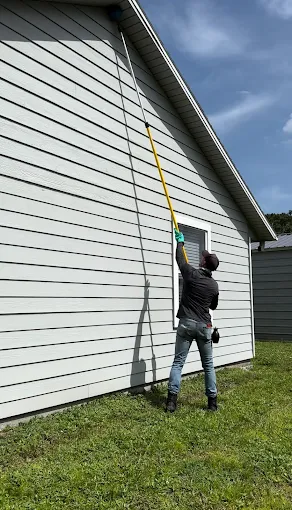
Spring marks a seasonal shift not only for plants and outdoor activity but also for pests. As temperatures rise and moisture levels increase, many insects and rodents emerge from winter dormancy or reduced activity. What may seem like a sudden infestation is often the natural result of biological cycles accelerating with warmer weather. From a professional standpoint, spring pest control focuses on anticipating this surge rather than reacting after pests establish themselves indoors. Understanding why pest activity increases in spring is the first step toward effective prevention. Why Pest Activity Increases in Spring During colder months, many pests seek shelter in protected areas such as wall voids, attics, crawl spaces, and soil. As temperatures climb, these hidden populations become more active. Spring conditions that stimulate pest movement include: Ants, cockroaches, spiders, and rodents all respond to environmental cues. Warmer weather signals that it is time to forage, reproduce, and expand territory. Rodents that nested indoors during winter may begin exploring new areas of the home. Insects that remained hidden in cracks and crevices may suddenly appear in kitchens or bathrooms. Professional spring pest control plans are designed around these predictable biological patterns. Common Spring Pests to Watch For Different pests become active at varying times throughout the season. Recognizing early warning signs can prevent small issues from becoming larger infestations. Common spring concerns include: Ants often enter through small structural gaps in search of food. Cockroaches are drawn to moisture and organic debris. Rodents exploit tiny openings that may have gone unnoticed during winter. Seasonal shifts may also reveal underlying vulnerabilities. For example, cluttered storage areas provide ideal shelter for rodents and insects alike. Professional evaluation helps determine which pest is present and how far the activity has progressed. Early intervention is more efficient than addressing a fully established infestation. Structural and Environmental Factors That Contribute Spring pest problems are not random. They are often linked to specific environmental and structural conditions around the property. Contributing factors commonly include: Moisture plays a significant role. Spring rains combined with lingering winter conditions can create damp environments that attract pests. Even small water leaks beneath sinks or around outdoor spigots can increase activity. Ants and cockroaches thrive in humid conditions. Rodents are drawn to accessible food sources and sheltered nesting sites. If cockroaches tend to show up as the weather warms, it helps to understand why spring triggers that surge and why targeted strategy matters. This quick read on spring cockroach control explains what often drives seasonal activity and why professional methods focus on sources, not just sightings. Why Professional Spring Pest Control Is More Effective While homeowners may attempt to manage pests with retail sprays, these measures often address symptoms rather than root causes. Inconsistent application or misidentification of the pest can reduce results and allow populations to rebound. Professional spring pest control programs typically include: This structured approach increases precision. It also reduces the chance of pushing pests into harder-to-reach voids where activity continues unnoticed. Store products can also create a false sense of resolution. When sightings drop briefly, infestations may still be active in wall spaces, under appliances, or around plumbing penetrations. For a clearer look at why this happens, see service vs sprays and how professional programs are designed to prevent rebound issues. Preventive Strategies That Support Long-Term Control Prevention is the foundation of effective pest management. Spring is an ideal time to reinforce protective measures before pest populations peak. Key preventive steps include: These measures reduce access points and limit attractants. However, preventive maintenance works best when combined with professional oversight. Technicians can identify subtle signs of pest activity that are easy to miss, such as faint rub marks, early droppings, or small entry gaps. Early detection prevents widespread infestation and reduces the need for more intensive treatment later. Spring pest control is most effective when it is proactive. Waiting until ants form heavy trails or cockroaches appear regularly allows populations to grow and expand into new areas of the home. Set Your Home Up for a Quieter Spring Spring pest activity follows predictable patterns, but prevention depends on acting early and targeting the right pressure points. A professional inspection can clarify what is happening now and what is likely to show up next.For comprehensive spring pest control and expert evaluation, contact Protek Pest and Lawn to schedule a professional plan for your property.
How Professionals Use Traps Effectively As Rodents Hide More
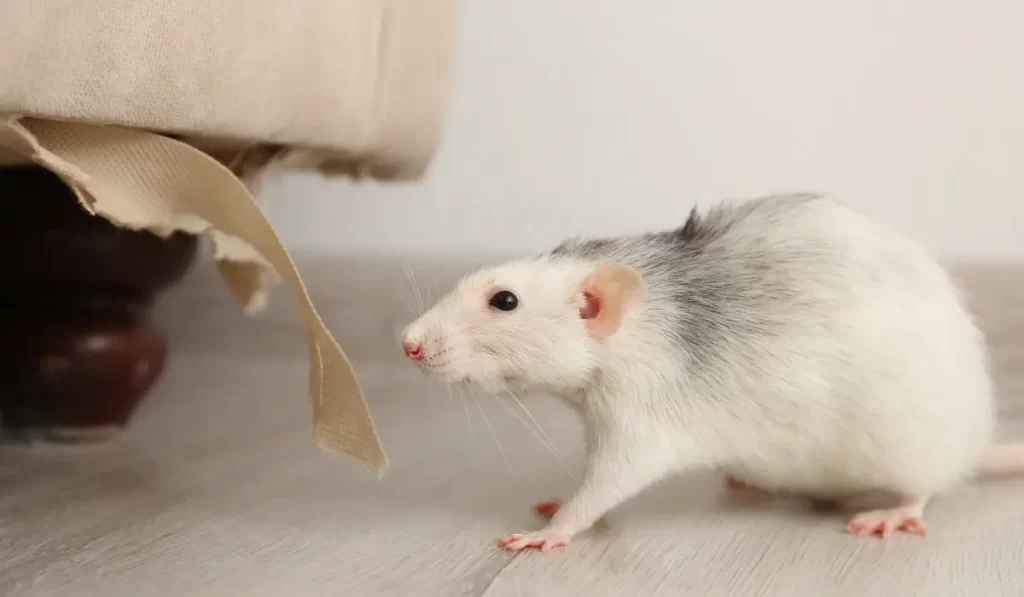
As temperatures shift and food sources change, rodents adapt quickly. Mice and rats begin seeking shelter inside homes, garages, and crawl spaces. Once indoors, they often become more cautious, avoiding open areas and settling into hidden voids behind walls or beneath insulation. From a professional perspective, successful rodent control during these periods requires a strategy rather than guesswork. Traps remain one of the most effective tools, but their placement, selection, and monitoring must be handled with precision. When rodents hide more, professional expertise becomes even more critical. Why Rodents Become Harder to Catch Rodents are highly adaptive creatures. As they detect human activity or changes in their environment, they adjust their behavior to reduce exposure. Several factors contribute to increased hiding behavior: Mice and rats tend to follow established paths along walls and dark corners. When they sense danger, they avoid unfamiliar objects placed in open areas. This is why casually placing traps in visible spots often produces limited results. Professional rodent control accounts for rodent psychology. Understanding travel patterns, nesting preferences, and feeding behavior allows technicians to position traps where rodents naturally move rather than where humans assume they will. Selecting the Right Trap for the Situation Not all traps function the same way, and selecting the wrong type can reduce effectiveness. Professionals evaluate infestation size, rodent species, and property layout before deciding which method to use. Common trapping options include: Each option has advantages depending on the environment. For example, mice require smaller, more sensitive mechanisms, while rats demand sturdier equipment placed along established pathways. Professionals avoid random placement. Instead, they analyze droppings, grease marks, and gnawing evidence to determine activity zones. Trap positioning is then aligned with these indicators. Rodent behavior also shifts seasonally. As described in these winter rodent insights, colder months significantly alter movement patterns and indoor nesting habits. Adapting to these changes is essential for consistent results. Strategic Placement Makes the Difference Trap placement is often the deciding factor between success and failure. Rodents rarely venture into the middle of a room. They prefer edges, concealed spaces, and tight passages. Effective placement focuses on: Professionals also understand the importance of securing traps. Unstable placement can lead to ineffective triggering or safety concerns. Monitoring is equally critical. Traps must be checked regularly and adjusted as activity shifts. A static setup may miss new travel routes if rodents alter their patterns. Rodent control is not a single event. It is a process that involves observation, adjustment, and confirmation of reduced activity. Integrating Traps with Broader Pest Management Trapping alone is rarely sufficient for long-term control. Professionals combine trapping with exclusion techniques and habitat modification to prevent reinfestation. Comprehensive strategies often include: Homes experiencing rodent issues may also face other pest concerns such as ants, spiders, or seasonal insects. Coordinated pest management ensures that resolving one issue does not leave vulnerabilities elsewhere. Professional oversight also provides reassurance. A structured plan backed by consistent monitoring reduces uncertainty about whether the infestation has been fully resolved. This broader approach aligns with the concept of long-term protection discussed in these service guarantee insights, which emphasize the value of sustained pest management rather than short-term fixes. By integrating trapping with preventive measures, professionals increase efficiency and reduce the likelihood of recurring rodent problems. Why Professional Rodent Control Is More Reliable When rodents begin hiding more aggressively, casual methods often fail. Professionals rely on training, experience, and systematic evaluation to adapt strategies as conditions change. Key advantages of professional rodent control include: Rodents reproduce quickly. Missing even a small portion of the population can lead to continued activity. Professional programs focus on thoroughness and long-term stabilization. Attempting to manage rodent infestations without proper assessment may prolong the issue. Misplaced traps can educate rodents to avoid certain areas, making future capture more difficult. As rodents become more cautious, expertise becomes even more important. Professionals anticipate behavior shifts and adjust accordingly, ensuring that traps remain effective even when rodents hide deeper within the structure. Take Control Before Rodents Settle In Rodents that hide within walls and crawl spaces require strategic intervention. Proper trap selection, placement, and monitoring are essential for lasting results.For expert rodent control and comprehensive pest management, contact Protek Pest and Lawn to schedule a professional inspection and treatment plan.
Mosquito Retreats Post-Winter: When Expert Treatment Still Matters
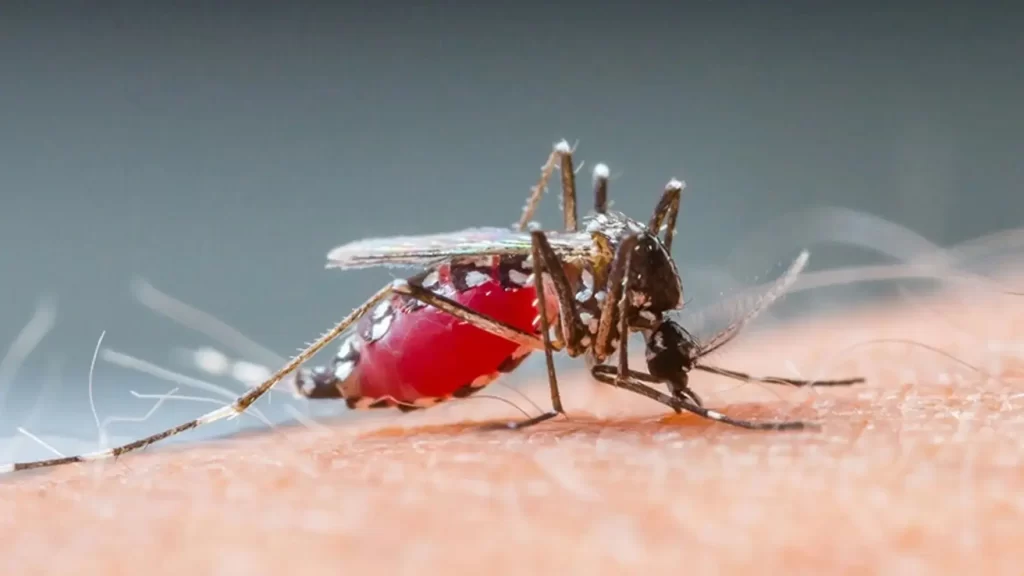
As temperatures drop during winter, mosquito activity appears to decline. Yards feel more comfortable, bites disappear, and homeowners may assume the problem has resolved itself. However, mosquitoes rarely vanish entirely. Instead, they retreat, adapt, and prepare for resurgence. From a professional standpoint, post-winter mosquito management is critical. Even when visible activity decreases, underlying populations can persist in protected environments. Early mosquito control ensures that spring and summer do not bring an unexpected surge. How Mosquitoes Survive Colder Months Mosquitoes have evolved to survive seasonal shifts. While some adults die off in freezing conditions, others overwinter in sheltered areas. Eggs can also remain dormant until temperatures rise again. Common overwintering strategies include: In regions with moderate winters, mosquitoes may continue breeding at lower levels throughout the season. Even short warm spells can stimulate activity. Mosquito survival is often tied to microclimates around the home. Areas that stay slightly warmer, such as crawl spaces, garages, and sheltered corners near foundations, can protect adult mosquitoes from temperature swings. These spaces also reduce wind exposure, which helps mosquitoes conserve energy and remain hidden until conditions improve. Egg survival is another reason winter does not fully eliminate mosquito pressure. Eggs laid in damp soil or along the edges of standing water can remain intact for weeks or months. When temperatures rise and water returns through rain or irrigation, those eggs can hatch quickly, creating an early-season jump in activity that feels sudden but is actually the result of winter persistence. Homeowners may notice fewer mosquitoes in winter, but this lull can create a false sense of security. When temperatures consistently rise, surviving populations rebound quickly. Professional mosquito control accounts for these survival patterns rather than assuming seasonal elimination. Why Spring Brings Rapid Resurgence As winter transitions to spring, environmental conditions become favorable for mosquito development. Warmer soil, increased rainfall, and higher humidity accelerate life cycles. Factors contributing to spring resurgence include: Eggs laid in late fall may hatch once temperatures rise. Within weeks, larvae mature into adults, ready to reproduce again. Spring resurgence can feel dramatic because mosquitoes reproduce in quick cycles once warmth returns. A small breeding source can generate new adults in a relatively short window, especially when water remains available for several days. This is why early spring activity often spikes after rain followed by mild temperatures, even when the yard seems dry on the surface. Vegetation also changes the equation. As plants thicken in spring, yards gain more shade and humidity pockets where adult mosquitoes rest during the day. These sheltered zones protect mosquitoes from wind and sun, allowing them to conserve energy and stay close to the areas where people and pets spend time outdoors. This rapid development is why early intervention matters. Waiting until mosquito swarms become noticeable often means populations have already multiplied significantly. Strategic mosquito control during early seasonal transitions reduces the likelihood of overwhelming summer activity. Hidden Hotspots That Fuel Post-Winter Activity Even when yards appear dry, hidden moisture pockets can sustain mosquito breeding. Identifying and addressing these hotspots is essential for effective management. High-risk areas often include: Shaded vegetation also plays a major role. Mosquitoes rest during the day in cool, protected areas before feeding at dusk. Dense shrubs and tall grass provide ideal shelter. Professional services identify these zones with trained observation. Treatments target both breeding sites and adult resting areas, providing more comprehensive results than surface applications alone. Understanding how professionals treat persistent areas is useful. Insights into managing seasonal problem zones show how experts address fall mosquito hotspots that often remain relevant in spring. Why Store Products Rarely Deliver Lasting Results When mosquito activity begins to increase, many homeowners turn to retail sprays or foggers. While these products may reduce visible adults temporarily, they rarely interrupt the breeding cycle. Limitations of store-bought products often include: Effective mosquito control requires a layered approach that addresses both larvae and adults. Professionals use targeted methods that focus on habitat and life cycle stages rather than broad surface coverage. Additionally, understanding why professional treatment advantages matter helps clarify why structured service plans outperform one-time applications. Without monitoring and follow-up, mosquito populations often rebound quickly after temporary relief. When Expert Treatment Still Matters Even if winter seems to eliminate mosquito presence, early season evaluation provides peace of mind. Expert assessment identifies dormant risks before they escalate. Professional mosquito control after winter provides: Mosquitoes are not the only concern during seasonal transitions. Other pests such as ants, spiders, roaches, and rodents may also adjust their behavior as temperatures rise. Coordinated pest management strengthens overall protection. The key advantage of early professional involvement is prevention. Instead of reacting to heavy swarms, homeowners benefit from reduced pressure before populations peak. Seasonal retreat does not mean permanent absence. Proactive mosquito control ensures that outdoor spaces remain enjoyable as temperatures warm. Prepare Now Before Mosquitoes Return If winter gave you temporary relief, now is the time to prevent a spring surge. Contact Protek Pest and Lawn to schedule expert mosquito control and keep your property protected as the seasons change.
Why You Should Trust Pros With Cockroach Control This Upcoming Spring
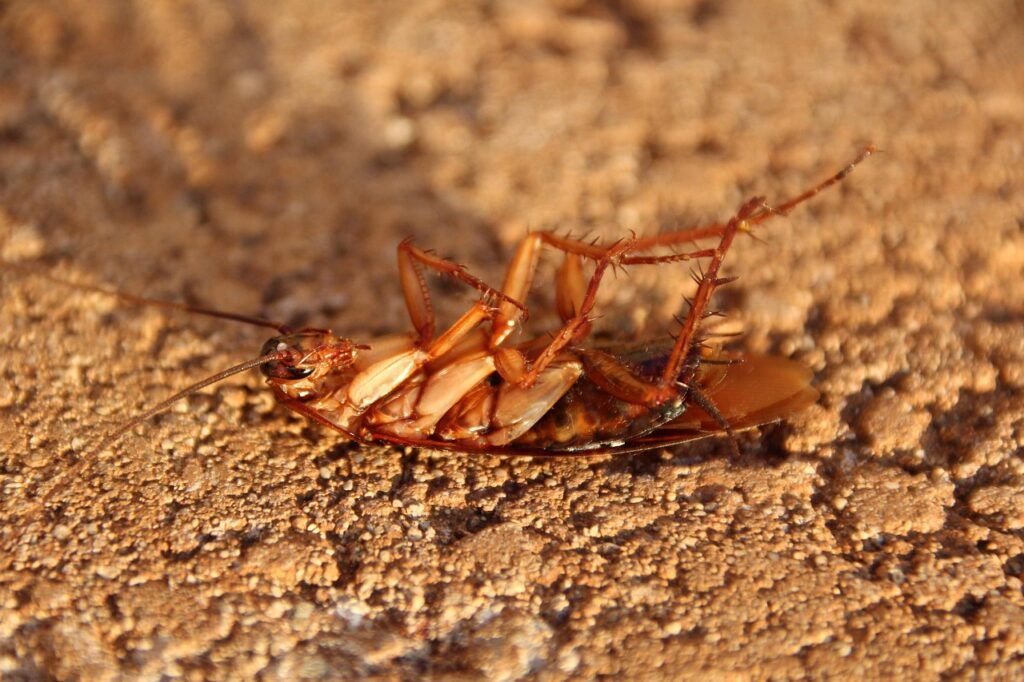
Spring marks a surge in cockroach activity as rising temperatures and increased moisture create ideal breeding conditions. While these pests may seem dormant during colder months, winter often drives them deeper into walls, cabinets, and utility areas where they remain active out of sight. From an expert perspective, spring is not the time to react to cockroaches. It is time to regain control before populations expand rapidly. Cockroaches are among the most resilient household pests. They adapt quickly, hide effectively, and reproduce at alarming rates. Trusting professionals with cockroach control during spring helps address infestations at their source rather than chasing visible symptoms. Understanding why professional involvement matters clarifies how long-term control is achieved and why early action makes a meaningful difference. Why Spring Accelerates Cockroach Infestations Cockroaches respond strongly to environmental changes. As spring brings warmth and humidity, conditions inside and around homes become more favorable for movement, feeding, and reproduction. Spring activity often reveals infestations that were already established during winter. Cockroaches emerging in kitchens or bathrooms usually indicate colonies hidden behind walls, under appliances, or within plumbing voids. Cockroach control is most effective when these hidden populations are addressed early rather than after numbers grow. Hidden Behaviors That Make Cockroaches Hard To Eliminate Cockroaches are experts at remaining unseen. Their behavior allows infestations to persist even when surfaces appear clean and activity seems minimal. These behaviors explain why cockroach control requires more than removing visible insects. Professionals focus on understanding species-specific habits, nesting locations, and travel routes. This deeper analysis prevents incomplete treatment that allows populations to rebound. Health And Sanitation Risks Linked To Cockroaches Cockroaches pose more than a nuisance. They introduce health and sanitation concerns that escalate as infestations grow. Springtime increases these risks as cockroach populations expand and move more freely. Professional cockroach control prioritizes reducing exposure while eliminating colonies. Professionals also evaluate conditions that contribute to infestation, such as moisture buildup and structural access points, which helps prevent recurrence. Why DIY Efforts Often Fail In Spring Spring infestations are particularly difficult to manage without professional support. Store bought products may reduce visible activity temporarily, but they rarely eliminate the underlying problem. DIY methods often rely on repellent sprays that push cockroaches deeper into walls rather than eliminating them. This scattering effect can spread infestations into new areas, making control more complex. In addition, improper product use may lead to resistance, reducing effectiveness over time. Professional monitoring strategies outperform improvised efforts because they rely on data rather than guesswork. This comparison of professional monitoring explains why structured oversight consistently produces better outcomes across seasons, including spring when pest pressure increases. What Professionals Do Differently With Cockroach Control Professional cockroach control is built around precision, planning, and follow-through. Rather than treating broadly, professionals apply targeted strategies designed to reach hidden colonies while minimizing disruption. Professionals also use products and techniques not available to the general public. These methods are applied strategically to interrupt breeding cycles and reduce survival rates over time. Detailed approaches to colony elimination are outlined in this overview of elimination strategies, which highlights why comprehensive plans outperform isolated treatments. Consistency is a major factor in success. Professional programs adapt as conditions change, ensuring that cockroach control remains effective throughout spring and into warmer months. This proactive approach limits the need for repeated intervention and supports long-term stability. Cockroaches do not resolve themselves. Left untreated, spring infestations often become summer-wide problems that are harder and more expensive to manage. Professional involvement shifts the focus from reaction to prevention, which is why results are more reliable. Start Spring With Control On Your Side Spring is the ideal time to address cockroach activity before it escalates. Contact Protek Pest and Lawn to schedule professional cockroach control and protect your home with proven expertise and structured care.
Why Professional Pest Services Is Better Than Store Sprays
Store-bought pest sprays promise quick relief, but the results are often short-lived. Many homeowners experience a familiar cycle: pests disappear briefly, only to return weeks later. From an expert perspective, this happens because sprays treat symptoms rather than the conditions that allow pests to survive. Professional pest services take a fundamentally different approach by focusing on identification, prevention, and long-term control rather than temporary suppression. Pests such as ants, cockroaches, spiders, rodents, and other common household invaders are highly adaptable. They respond quickly to surface treatments and often retreat deeper into walls, voids, or exterior harborages. Understanding why store sprays fall short helps explain why professional pest services deliver more reliable outcomes. Why Store Sprays Rarely Solve the Root Problem Store sprays are designed for convenience, not precision. They typically target visible pests but do not reach nesting sites, entry points, or environmental factors that support infestations. This limitation is one of the main reasons infestations persist. Most pests spend the majority of their time hidden. Cockroaches nest behind walls and appliances. Ants establish colonies outdoors or within structural voids. Rodents travel through insulation and crawl spaces. Spraying exposed areas rarely interrupts these patterns, allowing populations to rebound quickly. Professional pest services begin with understanding where pests live, how they enter, and why they remain. This foundational difference leads to more effective and lasting control. The Safety and Exposure Risks of Store Sprays Another concern with store sprays is improper application. Without training, it is easy to overapply products or use them in areas not suited for chemical treatments. This can increase exposure risks without improving effectiveness. Many homeowners assume a stronger application leads to better results. In reality, this often creates unnecessary exposure while pests adapt or avoid treated zones. Professional pest services prioritize targeted placement and controlled use, reducing overall exposure while improving outcomes. Professionals also consider how products interact with airflow, surfaces, and human activity. This level of planning is not possible with general-use sprays. How Professional Pest Services Address Pest Behavior Pests follow predictable behavior patterns. They move along edges, seek moisture, and return to established nesting zones. Professional pest services are built around these behaviors rather than reacting to sightings alone. For example, cockroaches often shift hiding spots during colder months, moving deeper into kitchens and wall voids. Conditions like these are discussed in resources about cockroach hiding spots, where understanding seasonal movement helps explain why surface sprays fail. By aligning treatment strategies with pest behavior, professional pest services disrupt life cycles rather than chasing visible pests from room to room. Why Prevention Matters More Than Reaction Store sprays are reactive by design. They are used after pests appear. Professional pest services emphasize prevention, which reduces the likelihood of infestations developing in the first place. Preventive strategies focus on making the environment less supportive of pests. This includes exclusion, habitat modification, and monitoring. When pests cannot access shelter or resources, populations decline naturally over time. This preventive mindset explains why professional services reduce repeat issues. Instead of responding to emergencies, homeowners benefit from consistent protection that adapts throughout the year. The Long-Term Value of Professional Pest Services While store sprays may appear cost-effective initially, repeated purchases often add up without delivering lasting results. Professional pest services provide value through consistency, expertise, and accountability. Professionals track progress over time, identify changes in activity, and refine strategies as needed. This continuity is difficult to replicate with one-time products. Many homeowners also value the reassurance that comes with structured service programs and guarantees. The importance of reliability and accountability is often highlighted in discussions about pest-free protection, where long-term confidence outweighs short term fixes. Professional pest services also help protect property. By addressing pests early, they reduce the risk of structural damage, contamination, and secondary issues that are costly to repair. When Expertise Makes the Difference Pest control is not one size fits all. Homes differ in structure, environment, and exposure. Professional pest services tailor solutions to these factors, while store sprays apply the same approach everywhere. Expert evaluation considers building materials, landscaping, climate, and past activity. This insight allows professionals to anticipate problems before they become visible, which is something store products simply cannot do. The result is fewer surprises, fewer repeat treatments, and greater peace of mind for homeowners. Choosing Solutions That Last Store sprays may offer quick relief, but they rarely address why pests are present. Professional pest services focus on eliminating the conditions that allow infestations to persist, delivering safer and longer-lasting results. For dependable protection and expert guidance, contact Protek Pest and Lawn to safeguard your home with confidence and clarity.
Winter Prepping Against Common Cockroach Hiding Spots
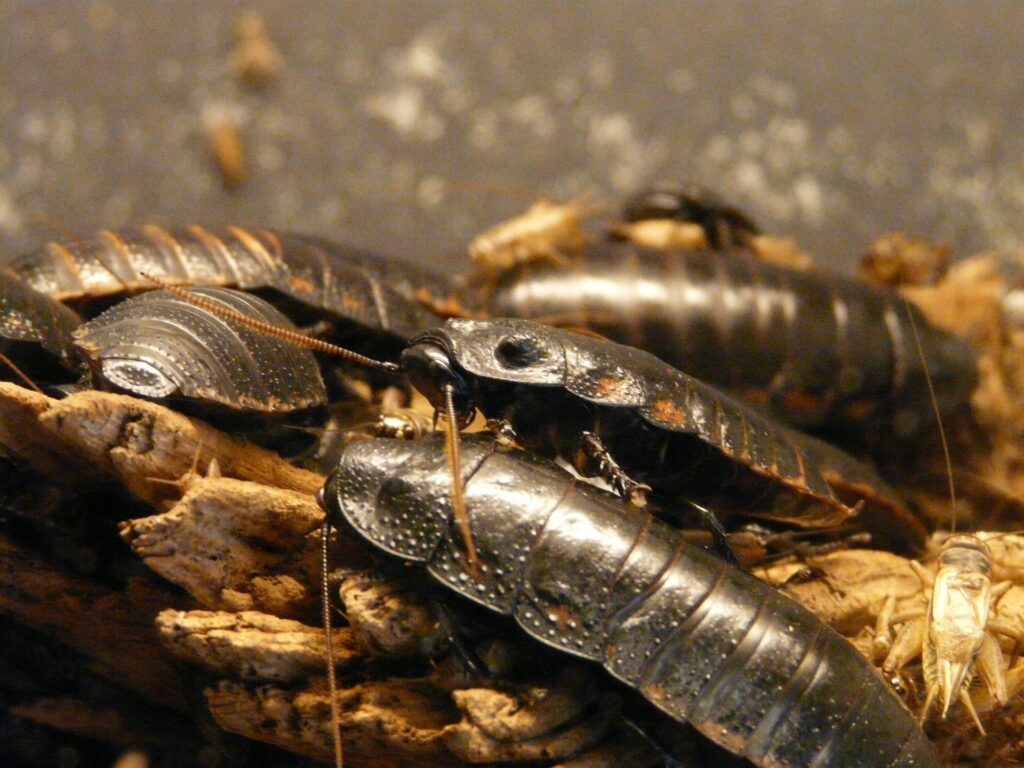
Cold weather does not eliminate cockroach activity. As outdoor temperatures drop, cockroaches seek stable warmth, moisture, and food sources indoors. Winter often concentrates their movement into hidden areas of the home, making infestations harder to detect and easier to spread unnoticed. From an expert perspective, winter prepping focuses on identifying these hiding zones early and reducing the conditions that allow cockroaches to remain active year-round. Cockroaches are resilient and adaptive. They can survive on minimal resources and remain concealed for long periods, especially during winter when activity shifts deeper into structures. Effective cockroach control relies on understanding where they hide, why those locations matter in colder months, and how professional strategies interrupt their survival cycle. Why cockroaches become harder to detect in winter During warmer seasons, cockroach activity is often more visible due to increased movement and breeding. Winter changes this pattern. Lower temperatures slow surface activity, but populations do not disappear. Instead, cockroaches relocate closer to heat sources and protected spaces inside the home. Winter conditions drive cockroaches toward: Understanding seasonal shifts in behavior is essential. Learning about seasonal life cycle changes helps explain why infestations can seem quiet during winter yet reappear aggressively once conditions improve. Without proper winter prepping, hidden populations often emerge stronger in spring. High-risk indoor hiding spots pest experts prioritize Professional inspections focus on locations that provide the three essentials cockroaches need to survive: warmth, moisture, and access to food. Winter increases reliance on these protected zones, making targeted identification critical. Pest experts routinely assess: These areas allow cockroaches to stay active while avoiding human detection. Because winter infestations often remain hidden, relying on surface sightings alone can underestimate the scale of the issue. Professional cockroach control addresses these concealed environments directly, reducing the chance of populations spreading unnoticed. Structural vulnerabilities that support winter cockroach survival Cockroaches exploit structural weaknesses that allow heat and moisture retention. Even well-maintained homes can develop vulnerabilities over time due to seasonal expansion, contraction, and routine wear. Common winter vulnerabilities include: These entry and shelter points allow cockroaches to move between rooms without exposure. Winter prepping focuses on identifying and reinforcing these areas so indoor conditions become less favorable. While sealing and sanitation play a role, professional evaluation ensures that hidden access routes are addressed systematically rather than superficially. Why winter cockroach control requires professional planning Cockroach infestations rarely resolve through isolated actions. Winter adds complexity because reduced surface activity can create a false sense of control while populations remain active behind walls and fixtures. Pest experts take a strategic approach that considers seasonal behavior, structural layout, and long-term prevention. Professional winter planning typically involves: This structured approach helps prevent rebound infestations once warmer weather returns. Ongoing protection is especially important, which is why many homeowners explore the value of quarterly protection plans that maintain consistent oversight instead of reacting to visible problems alone. Long-term benefits of addressing hiding spots before spring Winter prepping is not just about current activity. It is about limiting future infestations by disrupting breeding cycles and removing shelter opportunities before cockroaches expand again. Homes that address hiding spots during colder months often experience fewer issues during peak seasons. By reducing hidden populations in winter, pest experts help: Cockroach control works best when it is proactive rather than reactive. Winter offers a strategic window to address concealed activity when populations are more concentrated and predictable. Prepare your home before hidden infestations grow Winter is an ideal time to reduce cockroach hiding spots and limit long-term activity. For expert support and effective prevention strategies, contact Protek Pest and Lawn to discuss winter-focused solutions designed to keep homes protected throughout the year.
How Pest Experts Keep Homes Rodent-Free During the Cold Winter
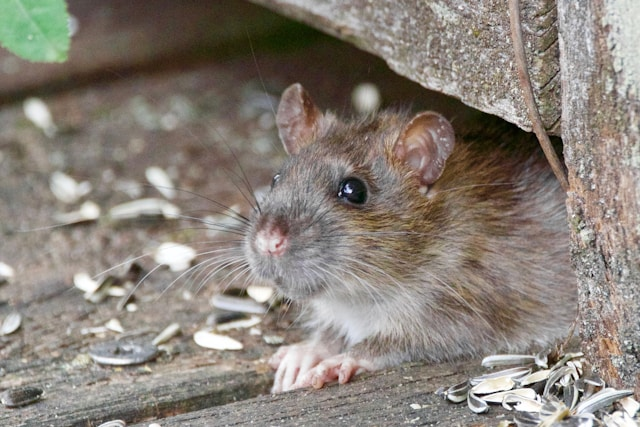
When winter temperatures drop, rodents shift into survival mode. Mice and rats look for stable warmth, easy calories, and hidden nesting space, and a home can offer all three in a single night. That is why cold months often trigger sudden scratching sounds in walls, pantry contamination, and repeat sightings even after a quick fix seems to work. As pest experts, we treat winter rodent pressure as a predictable cycle, not a surprise event. Effective rodent control is built on two priorities: stopping entry and preventing re-entry. That requires methodical inspection, precise exclusion work, and ongoing monitoring that adapts as weather and rodent behavior change. Instead of chasing a single visible animal, professional work focuses on the full pathway that brought rodents indoors, along with the conditions that keep them there. What changes in winter and why rodents get inside Rodents do not need a large opening to enter. Small gaps along the exterior envelope become critical access points when cold winds push mice and rats toward sheltered voids. Once inside, rodents follow edges, pipes, and wiring routes that provide cover and lead to food and nesting sites. During winter, we typically see three overlapping drivers: This is also the season when risky shortcuts tend to backfire. Understanding DIY bait risks helps clarify why unplanned baiting can create indoor hazards and still fail to address how rodents are entering and moving through a structure. How pest experts inspect homes for hidden rodent pathways A winter inspection is not a quick walk-through. We look for evidence, entry physics, and travel patterns, then connect those findings into a single map of activity. Rodents leave consistent markers, but those markers are often subtle until you know where to look and how to interpret them. Professional inspection work typically includes: This approach matters because winter activity often concentrates in concealed spaces. A home can have multiple access points and multiple activity zones at the same time. If one access point is missed, rodents can continue cycling in, making the problem feel endless. Rodent control strategies that work in cold weather Winter rodent control is most effective when it is layered. Removal alone is not enough if entry remains open, and sealing alone can fail if active rodents are already established inside. Pest experts combine evidence-based removal with exclusion, then verify results through monitoring. A winter-focused plan often includes: The goal is stability. Once rodents are kept out, the home should stay protected as conditions change. That is why many homeowners value long-term assurance. Learning how a pest-free guarantee supports ongoing prevention can help set expectations for what lasting protection looks like in real homes during winter. Why ongoing winter monitoring prevents repeat invasions Rodent behavior shifts with weather fronts, cold snaps, and changing food availability. A mild week can increase outdoor movement, while a sudden freeze can drive a new surge indoors. Professional oversight accounts for these fluctuations, which is difficult to replicate with one-time interventions. Ongoing winter monitoring helps by: This is the difference between temporary relief and sustained control. A winter plan should reduce current activity and also make the home harder to invade next year. That is where pest experts deliver the most value, by managing both the immediate issue and the structural conditions that enable it. Winter-proof your home with a smarter plan If winter rodent activity is disrupting comfort or creating repeated concerns, professional support can help close the gaps and stabilize results. Contact Protek Pest and Lawn to discuss a winter-focused approach designed to keep homes protected and rodent-free.
The Value Of A Pest-Free Guarantee For Your Home

A pest-free home is not just about comfort. It protects health, property, and long-term value. While many homeowners focus on eliminating visible pests, the real concern is what happens after treatment. Without accountability and ongoing protection, pests often return. This is where a pest-free guarantee becomes essential. From an expert perspective, a pest-free guarantee represents confidence in both the service and the strategy behind it. It signals that pest activity is not being addressed temporarily, but managed through structured prevention and follow-up. Understanding the value of this guarantee helps homeowners make informed decisions about long-term protection rather than short-term fixes. What a pest-free guarantee really means A pest-free guarantee is not simply a promise. It reflects a commitment to consistent monitoring, proper treatment, and corrective action if pests reappear. This approach shifts pest control from reaction to responsibility. This type of guarantee reassures homeowners that protection does not end once the initial service is complete. Instead, it continues through active oversight and responsive care. A pest-free guarantee reinforces the idea that pest control is a process, not a single event. Why guarantees matter more than one-time services One-time services may remove pests temporarily, but they rarely address why pests entered the home or how they may return. Environmental conditions, seasonal shifts, and structural vulnerabilities continue to exist unless monitored. A pest-free guarantee ensures that these factors are revisited over time. When pest pressure changes, strategies change as well. This ongoing adjustment is critical for preventing reinfestation. Guarantees also remove uncertainty. Homeowners do not have to wonder whether additional costs will arise if pests return. Instead of paying repeatedly for isolated services, they benefit from structured protection tied to performance. This is especially important when dealing with pests that adapt quickly or remain hidden. A guarantee ensures that if activity resurfaces, it is addressed promptly and professionally. How a pest-free guarantee protects your home long term Beyond immediate pest removal, a pest-free guarantee supports the long-term health of the home. Many pests cause damage quietly, often before visible signs appear. With a guarantee in place, these risks are monitored consistently. Instead of waiting for damage to become obvious, professionals can intervene early. This proactive oversight helps preserve the home’s structure and reduces the likelihood of costly repairs. It also encourages better prevention habits. When professionals return regularly, they can identify new vulnerabilities and recommend adjustments before pests exploit them. Why professional guarantees outperform DIY solutions DIY pest control often lacks follow-through. While products may reduce activity briefly, they do not offer accountability or long-term monitoring. Once the product is applied, responsibility falls entirely on the homeowner. Professional pest-free guarantees shift that burden. They ensure that pest control is supported by expertise, evaluation, and follow-up. This matters because incomplete solutions can make infestations harder to control later. The risks of relying on surface-level solutions are especially high when dealing with rodents or seasonal pests. These challenges are explored further through insight on rodent bait risks, which explains why improper methods often create additional problems rather than solving them. Professional guarantees also rely on consistency. Instead of reacting to visible pests, professionals track activity patterns and adjust treatment plans over time. How pest-free guarantees align with routine protection plans A pest-free guarantee works best when paired with structured service schedules. Regular inspections and treatments reinforce the guarantee by reducing the chances of pests returning in the first place. Routine service allows professionals to: This layered approach strengthens results and builds confidence. Homeowners benefit from knowing that pest activity is being actively managed rather than periodically addressed. The importance of this structure is explained further through guidance on quarterly protection plans, which outlines why scheduled care supports lasting results. When guarantees and routine plans work together, pest control becomes predictable and effective rather than reactive and uncertain. A pest-free guarantee is not about eliminating every pest forever. It is about ensuring that if pests return, they are handled quickly, professionally, and without added stress. That assurance has real value for homeowners seeking stability and peace of mind. Protect your home with confidence We understand the value a pest-free guarantee brings to homeowners who want lasting protection, not temporary relief. For reliable service backed by accountability, contact Protek Pest and Lawn and learn how a pest-free guarantee can help keep your home protected year-round.