

The Risks Of DIY Rodent Baits This Upcoming Winter
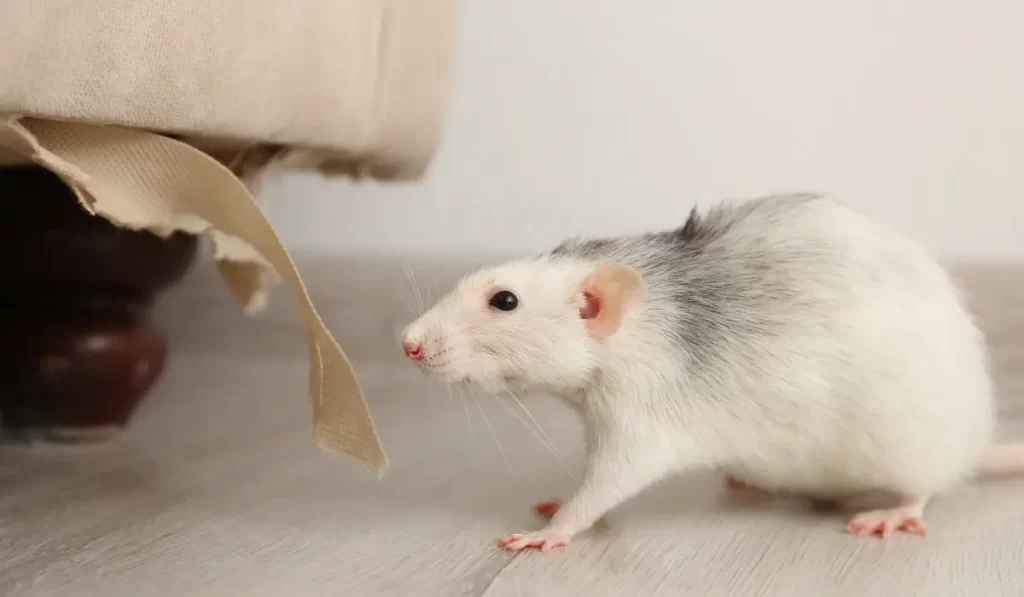
As winter approaches, rodent activity often increases around homes and commercial properties. Colder temperatures push rodents to search for warmth, food, and shelter, and structures provide all three. Because of this seasonal shift, many property owners consider placing rodent baits as a quick solution. While this approach may seem convenient, DIY baiting carries risks that are often underestimated, especially during winter months. From a professional perspective, winter rodent control requires careful planning and a clear understanding of rodent behavior. Rodents are adaptable, cautious, and capable of surviving harsh conditions. Improper bait use can create unintended consequences that affect safety, effectiveness, and long-term results. Understanding these risks helps explain why winter rodent problems often persist despite repeated DIY efforts. Why Winter Conditions Increase Rodent Pressure Rodents do not hibernate through winter. Instead, they adjust movement patterns to remain close to consistent resources. As outdoor food becomes scarce and temperatures drop, rodents move toward buildings where insulation, stored materials, and human activity provide stability. Several winter conditions drive this behavior: Once rodents gain access, they often establish nesting areas deep inside structures. Wall voids, attics, and crawl spaces offer protection from predators and weather. This is why winter infestations are rarely limited to a single rodent. Movement patterns during this transition period are discussed further in this resource on seasonal shelter habits, which explains how fall and early winter set the stage for indoor activity. Common Risks Associated With DIY Rodent Baits DIY rodent baits are widely available, but availability does not equate to safety or effectiveness. Without proper placement and monitoring, bait use can introduce hazards that outweigh potential benefits. Common risks include: When rodents consume bait and retreat into walls or insulation, the result is often lingering odors and sanitation issues that are difficult to locate. In winter, these problems can persist longer due to reduced airflow and sealed indoor environments. Additionally, rodents may not consume enough bait to be affected, allowing them to continue nesting while becoming more cautious around future control efforts. Why Bait Alone Rarely Solves Winter Rodent Problems Rodent baits address symptoms rather than causes. While a bait may eliminate one rodent, it does not prevent others from entering or address why rodents were drawn to the structure in the first place. Entry points, nesting zones, and food access remain unchanged. Limitations of bait-only approaches include: Rodents are intelligent and can detect changes in their environment. Improper bait placement may teach rodents to avoid certain areas altogether, making future control more difficult. Over time, reliance on bait without broader evaluation often leads to cycles of activity that return each winter. Health, Structural, and Environmental Concerns Beyond effectiveness, DIY rodent baits raise concerns related to health and property integrity. Rodents are known to contaminate surfaces through droppings and urine, which can spread bacteria in enclosed spaces. When bait causes rodents to die in inaccessible areas, cleanup becomes challenging and exposure risks increase. Additional concerns include: Electrical systems are especially vulnerable during winter, when rodents seek warmth near wiring. Structural damage may remain hidden until it becomes costly to repair. These risks highlight why winter rodent control should focus on prevention and monitoring rather than reactive measures alone. The Role of Professional Planning in Winter Rodent Control Effective winter rodent control requires a comprehensive approach that considers structure, behavior, and seasonal patterns together. Professional planning evaluates where rodents enter, how they move, and what conditions support ongoing activity. This allows for targeted strategies that reduce risk without creating additional hazards. Professional oversight typically involves: This structured approach reduces the likelihood of rodents returning year after year. Long-term planning is especially important in winter, when sealed buildings and limited access can make infestations harder to detect. Broader protection strategies are outlined in this resource on ongoing pest plans, which explains how consistent evaluation supports lasting results. A Safer Path Through Winter DIY rodent baits may appear to offer quick relief, but winter conditions amplify their risks and limitations. When rodent activity continues despite repeated baiting, deeper evaluation is often needed. For guidance rooted in seasonal expertise and long-term protection, contact Protek Pest and Lawn to address winter rodent control with confidence and care.
How Pest Pros Handle Fly Surges in the Late Fall Season
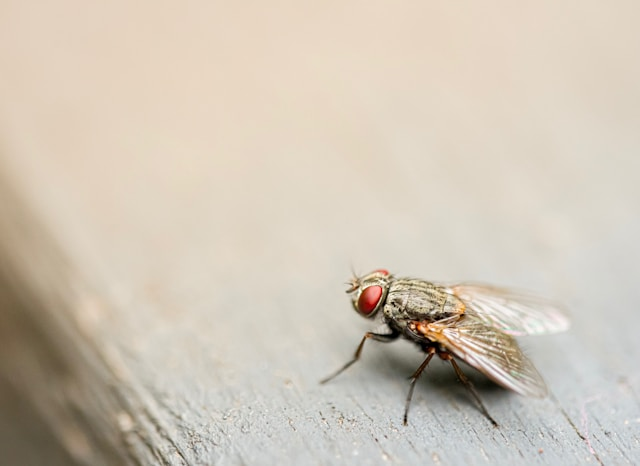
Late fall brings a noticeable change in pest behavior, and flies are among the insects most influenced by the shift. As temperatures drop, many fly species seek out warmer, protected environments, which often means moving closer to homes. While their presence may seem minor at first, late-season fly surges can develop quickly and become disruptive. Effective fly control requires understanding what drives these surges, where flies originate, and how professionals eliminate the underlying causes. Flies thrive on moisture, organic debris, and warm microenvironments. During late fall, outdoor conditions become less favorable, pushing flies toward structures that offer stable temperatures and consistent food sources. Homes with gaps, clogged drains, decaying organic matter, or open entry points are especially vulnerable. Left unaddressed, fly surges can spread from one area of the home to another, making them significantly harder to control. Pest professionals follow structured, evidence-based methods to manage these surges. Their approach combines inspection, environmental correction, and targeted treatment designed to break the fly life cycle at multiple stages. Why Fly Surges Intensify During Late Fall Fly behavior changes dramatically once temperatures start to drop. Many species that remain outdoors during warm months begin searching for shelter and food as their natural sources become limited. These seasonal shifts create ideal conditions for sudden indoor fly surges. Environmental factors that contribute to late fall activity include: Certain fly species, including cluster flies and houseflies, become especially active near windows, attics, and upper floors. As sunlight decreases and cooler winds arrive, they move indoors to overwinter in quiet, warm spaces. This seasonal pattern is common but often misunderstood. Homeowners may mistake late fall fly surges for minor nuisances rather than indicators of deeper environmental factors. Understanding these patterns helps guide more effective fly control strategies, especially when combined with resources designed to identify fall fly behavior in detail. How Professionals Identify the Source of Fly Activity Effective fly control begins with identifying the source rather than relying on surface-level treatments. Flies reproduce rapidly, and even a small breeding area can produce dozens of adults within days. Professionals use targeted inspection techniques to determine whether flies are entering from outdoors, breeding indoors, or following scent trails from hidden organic material. Inspections focus on: Drain flies, for example, thrive inside organic buildup within pipes. Houseflies may enter through poorly sealed windows or vents. Cluster flies often hide behind walls or in attic spaces as they prepare to overwinter. Technicians also evaluate exterior conditions such as compost piles, uncollected yard debris, or standing water, which can fuel late fall fly surges. By locating these attractants early, professionals isolate the true cause of activity and choose control methods that prevent recurrence. Professionals emphasize that identifying the correct species is crucial. Different flies require different approaches, and a misidentified infestation can delay effective treatment. Treatments Experts Use to Resolve Fall Fly Surges Once the source of activity is identified, professionals apply a combination of environmental corrections and targeted treatments that eliminate both adult flies and developing stages. This integrated approach ensures that infestations do not return within weeks. Professional fly control methods include: Sanitization is one of the most important steps. Flies breeding in drains or organic debris require complete removal of residue that serves as a food source. Without this step, chemical treatments alone are temporary. Structural sealing reduces access for cluster flies and houseflies that enter through cracks or vents. Vent screens, weather stripping, and sealing compounds help block entry during peak fall migration periods. Targeted treatments vary by species but often include precise applications to drains, wall voids, or exterior breeding zones. These treatments disrupt the fly life cycle and reduce population spikes quickly and safely. Professionals also use monitoring tools to measure progress. Expert comparisons of pro monitoring methods highlight why professional tracking is more effective than DIY attempts. Why Late Fall Fly Surges Require Expert Handling Many homeowners attempt to control late fall fly activity using sprays or traps. While these may eliminate adult flies temporarily, they do not address the source of the problem. Fly surges typically begin in hidden or inaccessible areas, and without precise identification, DIY methods often allow the population to rebound. Professional handling is essential because: Fly control is more complex than eliminating visible insects. Each species has specific breeding behavior, environmental requirements, and entry methods. Professionals rely on expertise, advanced equipment, and structural evaluations to ensure complete elimination. Fall fly surges are especially persistent because flies prepare for overwintering. Without professional intervention, hidden populations may remain dormant and reappear in spring. Long-Term Fly Prevention Through Seasonal Planning Once late fall fly surges are resolved, prevention becomes the next priority. Seasonal planning ensures that conditions leading to recurrence are addressed before the following year. Prevention strategies include: A structured plan reduces breeding opportunities, minimizes entry points, and maintains a cleaner environment throughout changing seasons. The most successful prevention combines homeowner maintenance with periodic professional evaluations to identify new vulnerabilities as they emerge. When Late Fall Flies Take Over, Act Fast If fly surges are increasing as temperatures drop, expert assistance ensures the issue is solved completely and safely. Contact Protek Pest and Lawn for professional fly control strategies that restore comfort and keep your home protected through the season.
The Importance Of Quarterly Pest Plans for Your Home

Pest activity changes continuously throughout the year. Temperature shifts, moisture patterns, and seasonal food availability all influence how insects and rodents behave. Because these conditions evolve every few months, relying on a single treatment or reacting only when pests appear is rarely enough. Quarterly pest plans provide structured, year-round protection that adapts to seasonal changes and stops infestations before they spread. Homes face different risks in spring, summer, fall, and winter. Ants build new colonies in warm months, spiders follow prey indoors when temperatures cool, and rodents look for shelter as fall approaches. Quarterly pest plans track these changes and address them proactively rather than waiting for visible signs. This consistent approach reduces long-term damage, prevents recurring issues, and maintains a healthier indoor environment. Today’s pest pressures require more than occasional treatment. A routine plan ensures that your home remains monitored, protected, and fortified against evolving pest behavior. Why Homes Need Consistent, Year-Round Protection Most homeowners notice pests only when populations become visible. Unfortunately, by the time insects or rodents are seen, the infestation has usually been growing for weeks or months. Quarterly pest plans prevent this by addressing seasonal patterns before they escalate. The need for consistent protection comes from: For example, rodents become significantly more active in the fall when temperatures drop. Our guide related to fall sheltering behavior explains how quickly rodents take advantage of small openings around the home. Quarterly service aligns prevention with these predictable patterns. Instead of reacting to infestations after they expand, routine care reduces long-term risk and improves the effectiveness of each treatment cycle. How Quarterly Plans Address Seasonal Pest Challenges Each season presents unique pest threats. Quarterly pest plans are structured to address these differences, ensuring the home remains protected no matter what time of year it is. Seasonal pest challenges include: Spring treatments often focus on perimeter defense and early colony suppression. Summer appointments target high activity zones such as kitchens, patios, and wall voids. Fall visits emphasize exclusion strategies and rodent prevention. Winter treatments ensure pests do not overwinter inside attic insulation or crawl spaces. Monitoring is a critical part of each seasonal visit. Expert evaluations identify population shifts, environmental changes, and structural vulnerabilities. This allows technicians to adjust treatment strategies as needed, strengthening the home’s long-term defenses. A quarterly approach stays ahead of pest behavior rather than falling behind it. Why Monitoring Matters More Than One-Time Treatments Monitoring is one of the most valuable components of quarterly pest plans. Pests often remain active even when they are not visible. Eggs, larvae, and early colony stages continue developing until conditions become ideal. Without regular monitoring, these silent growth periods can lead to sudden infestations. Monitoring provides: Routine monitoring also allows professionals to spot problems homeowners may overlook, such as moisture buildup near foundations or subtle signs of rodent movement. Our comparisons of pro monitoring benefits highlight how precise evaluation outperforms occasional DIY checks. One-time treatments may reduce visible pests temporarily, but they do not address the ongoing environmental conditions that allow infestations to return. Quarterly plans combine monitoring with targeted treatments to ensure lasting protection. Benefits of Routine Treatment and Prevention Strategies Quarterly pest plans offer a combination of treatment, inspection, and prevention techniques designed to strengthen long-term protection. Each visit builds upon the previous one, creating a layered defense that adapts to your home’s needs. Major benefits include: By removing attractants such as food debris, moisture pockets, and hiding areas, quarterly plans make the home less appealing to pests. Exterior perimeter treatments stop insects before they reach entry points. Interior treatments target high-risk areas such as kitchens, basements, and utility rooms. Routine prevention also reduces property damage. Rodents, ants, and spiders can harm insulation, wiring, drywall, and stored items. Consistent oversight ensures these risks are caught early. Quarterly plans deliver ongoing peace of mind by keeping the home protected across all seasons. Why Professional Expertise Strengthens Long-Term Pest Protection Seasonal pest pressures require specialized knowledge. Understanding how pests migrate, nest, and reproduce is essential for effective treatment. This is why professional expertise is at the core of successful quarterly pest plans. Trained technicians provide: Professionals also recognize subtle environmental changes such as humidity shifts, temperature variations, and structural weaknesses that influence pest behavior. Their evaluations ensure treatments adapt to the home’s evolving conditions. DIY approaches often lack the depth needed for ongoing success. Many pests breed in hidden areas where DIY products cannot reach. Quarterly pest plans ensure that both active pests and underlying conditions are addressed thoroughly. When Your Home Needs a Year-Round Shield If you want reliable protection across all seasons, a structured quarterly approach delivers lasting results. Contact Protek Pest and Lawn for expert pest plans that keep your home safeguarded every month of the year.
Flea And Tick Behavior In Cooler Weather Revealed
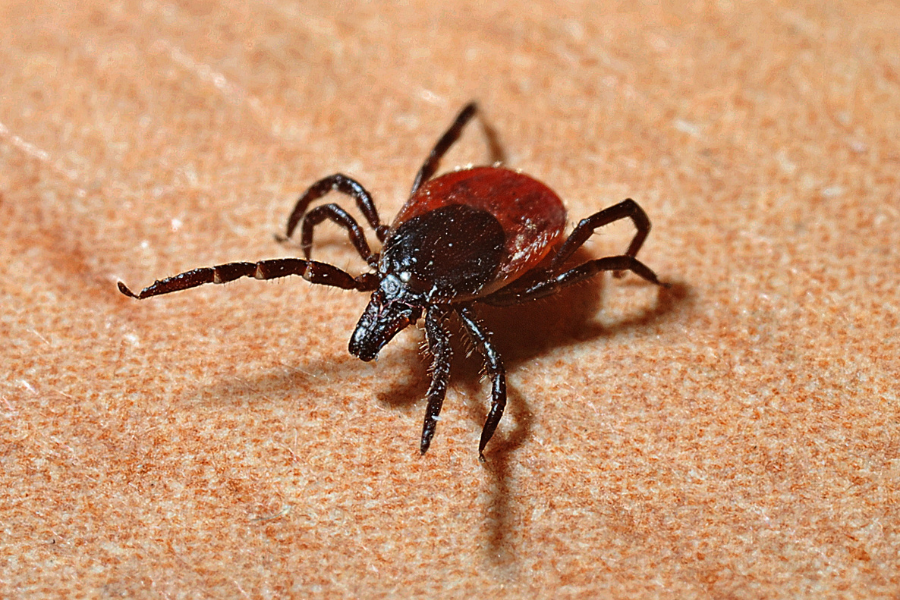
Fleas and ticks are often associated with warm seasons, but their behavior during cooler weather is more complex than many homeowners realize. As temperatures begin to drop, these pests shift their activity patterns in ways that allow them to survive, reproduce, and continue feeding despite environmental changes. Understanding flea and tick behavior during the cooler months helps homeowners better protect pets and living spaces before infestations become difficult to manage. Unlike many insects that slow down dramatically when fall arrives, fleas and ticks remain active under indoor conditions and can continue thriving outdoors for longer than expected. Their survival strategies make it important to maintain consistent prevention even when the weather turns cold. Why Fleas and Ticks Adapt Easily to Cooler Weather Fleas and ticks are resilient pests with survival patterns that allow them to withstand fluctuating temperatures. Cooler weather does not eliminate their activity. Instead, it encourages them to seek out stable heat sources that support their life cycles. Important adaptations include: Both pests can slow their metabolism when temperatures drop, allowing them to survive in outdoor environments longer than homeowners may expect. Indoor heating, warm bedding, and soft furnishings create ideal overwintering locations once they enter the home. For homeowners concerned about treatment outcomes, this guide on DIY removal risks explains the challenges associated with handling infestations without proper methods. Where Fleas and Ticks Hide During the Fall Season As the weather cools, both fleas and ticks become more strategic in selecting hiding spots. Their focus shifts to areas that provide warmth, moisture, and protection from environmental stress. Identifying these hotspots early helps homeowners prevent infestations from spreading. Common fall hiding places include: Ticks often gather in wooded or shaded areas outdoors, waiting for pets or people to pass by. Fleas, on the other hand, may hide indoors in soft fabrics, where they can reproduce continuously during cooler months. Because these pests choose concealed areas, infestations often go unnoticed until populations increase significantly. Regular inspection of pet resting areas helps reveal early signs of activity. How Flea and Tick Behavior Affects Pets in Cooler Months Pets remain primary hosts for both fleas and ticks regardless of the season. Cooler weather does not reduce the risk of bites or irritation. Instead, it may cause some pests to feed more aggressively before winter conditions affect their movement. Behaviors that impact pets include: Because pets spend more time indoors during the fall, they may unknowingly bring fleas or ticks into areas where pests can spread quickly. Infestations often start with a single flea or tick that multiplies in the warmth of indoor environments. Keeping an eye on skin irritation, restlessness, or visible bites helps identify early signs, but infestations can grow silently even when symptoms appear mild. Why DIY Fall Treatments Often Fail to Control Pests Many homeowners attempt to manage fleas and ticks with store-bought treatments, especially when the pests appear less active during cooler weather. However, surface-level treatments rarely address the deeper issues that support ongoing infestations. Common DIY challenges include: Flea and tick behavior becomes more unpredictable in cooler weather, making it difficult to rely on simple do-it-yourself methods. Some pests slow down temporarily but revive once temperatures rise again indoors. Ticks may enter a dormant state, reemerging later. For homeowners exploring seasonal prevention approaches, this resource on fall pest monitoring provides helpful insights into how professionals manage pest activity more effectively during transitional weather. Because fleas and ticks can remain active in hidden areas, addressing infestations thoroughly requires inspecting both indoor and outdoor environments. This ensures that no pockets of activity remain after treatment. Long-Term Prevention for Cooler Weather Conditions Consistent prevention plays the most important role in controlling flea and tick behavior during fall and early winter. Even when bite activity appears to slow, pests continue developing in concealed locations. A long-term approach protects both pets and home environments. Effective prevention strategies include: Outdoor maintenance is particularly important during the fall. Leaf litter and shaded landscaping provide ideal environments for ticks as temperatures drop. Keeping yards clean reduces tick exposure, especially in areas where pets spend time. Indoor maintenance supports long-term comfort and cleanliness. Fleas often develop in quiet, warm areas that pets use daily, so routine cleaning helps prevent unnoticed outbreaks. Professional inspection supports these efforts by identifying problems that homeowners cannot easily see, such as hidden tick resting zones or flea development beneath carpet padding. A Safer Way to Protect Your Pets and Home For thorough inspections, targeted treatments, and reliable fall season protection, reach out to Protek Pest and Lawn. We offer expert support designed to keep pests under control as temperatures cool.
How Rodents Seek Shelter In The Fall: Professional Defense Tips
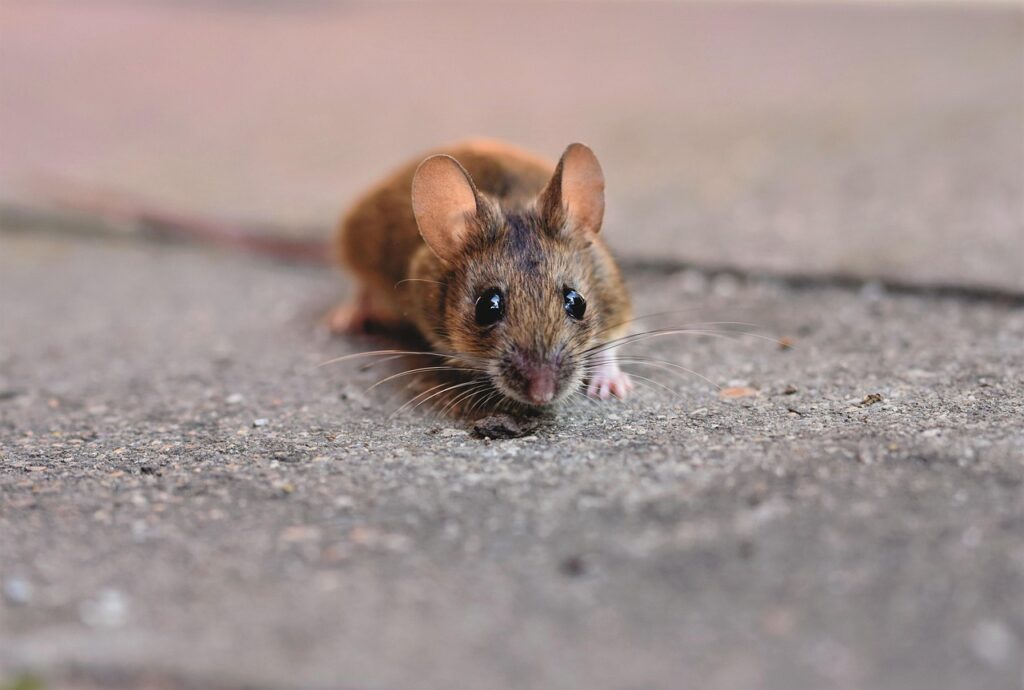
As temperatures cool and outdoor food sources diminish, rodents begin their annual migration indoors. Fall marks the season when mice and rats actively seek warmth, shelter, and steady access to food. Homes, garages, and commercial buildings become prime targets for nesting, especially when small cracks or openings provide easy entry. Understanding how rodents behave during this transition is the foundation of effective prevention. By recognizing their habits and preparing accordingly, property owners can take timely action to avoid costly infestations. Professional rodent control during the fall ensures both immediate protection and long-term defense against recurring invasions. Why Rodents Move Indoors During Fall Rodents are highly adaptive creatures that adjust quickly to seasonal changes. In the fall, their main priorities are survival and reproduction. The sudden drop in temperature signals them to search for insulated, food-rich environments that offer security throughout winter. Several environmental factors drive this migration: Once established, rodents reproduce rapidly. A single pair of mice can produce dozens of offspring within months, turning a small incursion into a persistent infestation. Common Entry Points Rodents Exploit Rodents can squeeze through surprisingly small spaces; a mouse needs only a quarter-inch gap to enter, while rats can fit through openings the size of a coin. They also chew through wood, plastic, and soft metals to widen access points. The most common entry locations include: Conducting a thorough inspection before temperatures drop can reveal vulnerabilities. For practical guidance on pinpointing these areas, review this detailed resource about rodent entry points, which outlines methods for securing structures before infestations start. Hidden Nesting Habits and Warning Signs Rodents are nocturnal and secretive, meaning infestations often go undetected until damage occurs. Understanding where and how they build nests helps in identifying early warning signs. Preferred nesting locations include: Early indicators of infestation include: Ignoring these signs allows infestations to spread rapidly. For more insight into detection, check this informative piece about rodents nesting in walls, which explains how to identify internal activity before it becomes severe. Professional Rodent Control and Prevention While traps and store-bought repellents may offer temporary relief, professional rodent control remains the most reliable way to manage infestations safely and effectively. Experts use specialized tools and data-driven strategies to locate, remove, and prevent reentry. Comprehensive control includes: Professional technicians also understand how seasonal shifts affect pest behavior, enabling them to adjust treatment plans as environmental conditions change. This approach provides long-term stability, reducing the need for repeated interventions. Practical Tips for Homeowners During Fall Even before professional inspection, homeowners can take several preventive measures to discourage rodent activity. These simple but effective steps strengthen your home’s defenses throughout the season. Here are the most important actions to take: These habits not only prevent entry but also make professional rodent control treatments more effective when performed. A clean, well-maintained environment reduces the factors that attract pests in the first place. Reinforce Your Space Before Winter As fall transitions into winter, rodents will continue to seek shelter in warm, food-rich environments. Acting before they settle in makes all the difference. Regular inspection, sanitation, and professional pest management ensure lasting protection and peace of mind.For expert assessment and customized rodent control solutions, contact Protek Pest and Lawn to schedule a seasonal inspection and fortify your property against unwanted intruders.
Cockroach Life Cycle Changes In Fall And What It Means
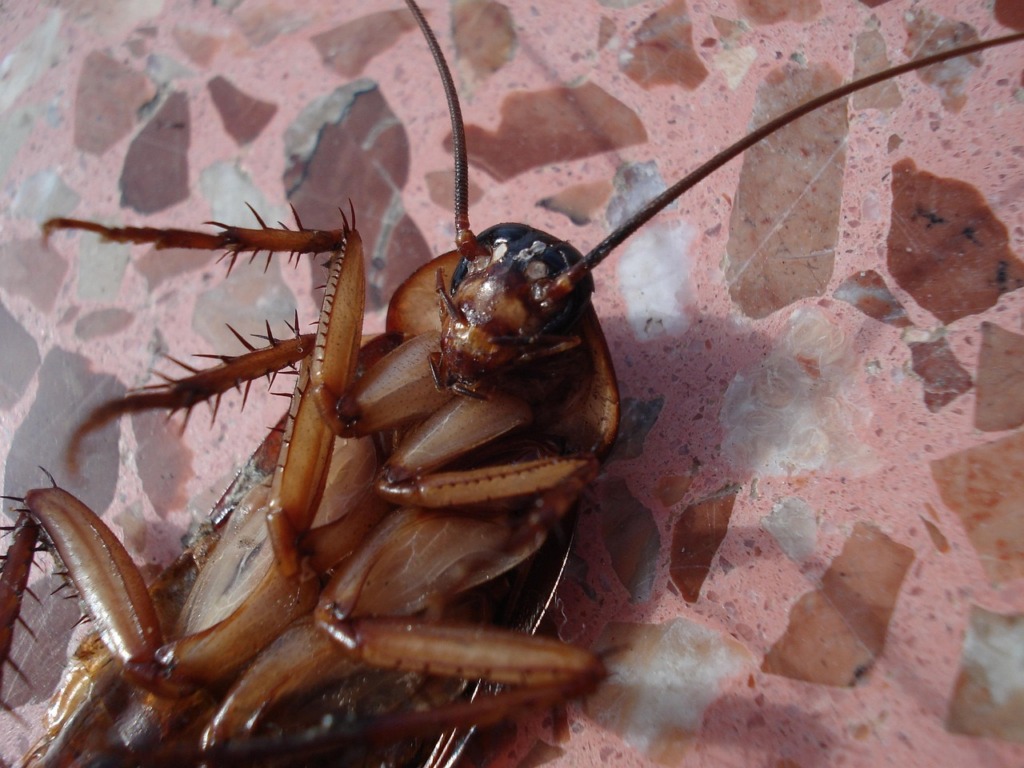
As temperatures drop and daylight shortens, cockroach activity changes in ways that often catch property owners off guard. While summer tends to bring visible infestations, the fall season marks a period of internal transition for these pests. They begin adapting their behavior and reproductive cycles to survive cooler temperatures, often migrating indoors to seek warmth and food. Understanding how the cockroach life cycle shifts during fall is crucial for effective prevention and management. These pests may appear less active on the surface, but beneath walls, floors, and appliances, colonies continue to grow. Knowing what happens during this seasonal adjustment helps identify hidden infestations early and informs better cockroach control strategies. The Cockroach Life Cycle Explained To understand fall infestations, it helps to know the basic stages of a cockroach’s life cycle. Cockroaches undergo three primary phases: egg, nymph, and adult. Each stage requires specific conditions for growth, and seasonal changes influence how quickly they progress. Each of these stages adapts to the environment, meaning that even if cockroach sightings decrease, their population can still thrive within walls or behind hidden structural gaps. Why Fall Triggers Indoor Migration When outdoor conditions become less favorable, cockroaches instinctively move toward indoor environments that offer steady temperatures, moisture, and food. Homes and businesses become ideal shelters where they can continue reproducing. Here’s why cockroach activity shifts indoors during fall: Because of this behavioral shift, infestations often go unnoticed until colder months set in. Regular monitoring and maintenance help prevent small populations from becoming larger problems. For additional insights on proactive seasonal monitoring, refer to this helpful discussion on fall pest tracking. How Seasonal Changes Affect Reproduction and Growth Fall doesn’t halt the cockroach life cycle; it alters it. Instead of fast-paced summer reproduction, these pests enter a slower, more conservative growth phase that still sustains their colonies indoors. Several key adjustments occur during this period: Because these cycles occur out of sight, infestations can seem dormant when, in fact, they are quietly multiplying in confined areas. Routine inspections and professional evaluation during the fall are essential to address hidden activity before it expands in spring. The Role of Professional Cockroach Control During Fall Homeowners often assume pest control isn’t necessary during colder months, but this misconception allows infestations to gain strength unnoticed. Fall is actually a strategic time for professional cockroach control because technicians can target hidden colonies before reproduction peaks again in warmer seasons. Professional methods focus on eliminating both visible and concealed populations. Key techniques include: Attempting DIY methods often leads to partial results or chemical misuse that fails to address the root of the problem. Professional assessments ensure precise treatment with lasting outcomes. For a detailed look at these expert strategies, review this comprehensive guide on effective cockroach elimination. Preparing Your Property for Fall Infestations Proactive maintenance plays a significant role in minimizing cockroach activity during the fall. Whether managing a home, restaurant, or office, simple precautions can make a major difference in preventing infestations. Effective preventive steps include: A combination of cleanliness, maintenance, and expert inspection provides the strongest defense against seasonal infestations. Stay Ahead of Fall Infestations Cockroaches adapt quickly to seasonal changes, using fall’s cooler climate as an opportunity to move indoors and prepare for winter survival. Recognizing their life cycle shifts and applying professional solutions early helps maintain a healthy, pest-free environment year-round.For detailed inspections and expert cockroach control, contact Protek Pest and Lawn to schedule a fall service and protect your property before infestations take hold.
Pros vs DIY: Effective Fall-Season Pest Monitoring
As autumn approaches, the shift in temperature triggers subtle but powerful changes in nature’s rhythm. While we welcome crisp mornings and vibrant foliage, pests begin searching for warmth, moisture, and shelter indoors. Rodents look for hidden corners, ants start exploring kitchen spaces, and spiders spin new webs in quiet areas of the home. The season’s natural beauty hides an uptick in pest movement, making fall one of the most important times of the year for thorough pest monitoring. Homeowners often underestimate how quickly pests adapt to seasonal shifts. Many believe that closing windows or cleaning up food crumbs will be enough to prevent an invasion. In reality, pests are remarkably persistent and resourceful. They exploit gaps, foundation cracks, and even vent openings to gain access to your home. Once inside, they multiply silently, often going unnoticed until damage or contamination occurs. Understanding how professional pest monitoring compares to DIY methods can help ensure your home remains protected throughout the colder months. Understanding Seasonal Pest Behavior Cooler weather pushes many pests to seek warmth, moisture, and shelter inside homes and buildings. During this time, several types of infestations become more common: Because fall triggers these behavioral changes, consistent pest monitoring helps catch early signs before infestations become severe. Seasonal inspections also help prevent property damage and reduce exposure to health risks linked to droppings and bites. For more insights, review preparing for fall pests to understand how early preparation prevents larger problems later. Why DIY Pest Monitoring Often Falls Short Many homeowners attempt to monitor pest activity themselves, believing it will save money. While casual observation is useful, DIY efforts rarely achieve complete control. Common challenges include: DIY pest monitoring may seem convenient, but pests adapt quickly. Without technical knowledge, infestations can rebound faster than expected, especially when seasonal shifts bring new activity indoors. The Advantages of Professional Pest Monitoring Professional pest monitoring offers precision, consistency, and safety. Experts follow detailed inspection protocols supported by years of field experience. These advantages set professional services apart: Technicians are trained to read subtle clues such as droppings, grease marks, or nesting materials. They also understand how weather conditions, humidity, and surrounding vegetation influence pest migration patterns. This combination of science and strategy ensures a healthier and more pest-resistant property. Comparing Results: Experts vs DIY When comparing outcomes, professional pest monitoring consistently outperforms self-managed methods in accuracy and durability. Here’s how the two approaches differ: Professionals view pest monitoring as a long-term management plan rather than a one-time fix. This proactive mindset makes infestations less likely to recur once the home is properly secured and maintained. Review our article on why DIY pest control fails for more detailed guidance. Why Fall Pest Monitoring Should Be a Priority Autumn pest monitoring helps identify and resolve early warning signs before they become infestations. Common indicators include: Acting quickly prevents minor sightings from becoming infestations that damage insulation, chew electrical lines, or contaminate food storage. Fall is also the ideal time to establish exterior barriers before pests shelter for winter. Professionals seal gaps, treat foundations, and recommend sanitation improvements to eliminate attractants. Pest monitoring during the fall season is not just about controlling visible activity. It is about predicting how pests will behave as conditions change. A single inspection might solve today’s problem, but scheduled monitoring throughout the season ensures lasting peace of mind. Ready to Safeguard Your Home This Fall? Stay ahead of pest activity this season with consistent and expert pest monitoring. For reliable, science-based protection that lasts all year, contact Protek Pest and Lawn for a customized inspection and prevention plan.
Signs That Rodents Have Nested in Your Walls
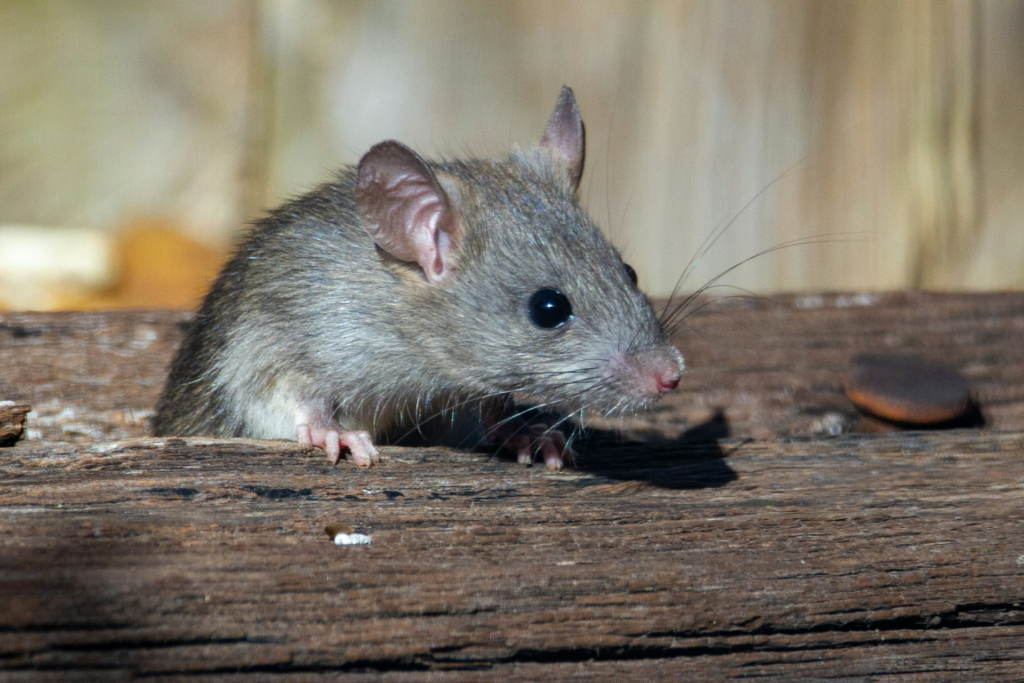
Few things are more unsettling than hearing faint scratching sounds coming from behind your walls. While it may seem minor at first, these subtle noises can signal a serious issue: rodents have made a home inside your property. Wall cavities provide warmth, shelter, and easy access to food, making them ideal nesting sites for rats and mice. Once inside, they can cause extensive damage to wiring, insulation, and structural materials; issues that grow worse the longer they go unnoticed. Early detection and timely rodent control are essential to prevent long-term property damage and health risks. Rodents are known carriers of bacteria and allergens that can spread through droppings and contaminated surfaces. Understanding the signs of nesting helps homeowners take action before an infestation becomes severe. This article explains the most reliable indicators of rodent activity inside walls and why seeking professional assistance ensures lasting results. Scratching, Scurrying, and Unusual Noises One of the earliest and most frequent signs of rodent activity inside walls is the presence of sounds. Residents may hear: These noises typically indicate that rodents such as mice, rats, or even moles have entered voids within the structure. Because walls offer protection and access to warmth, rodents may remain hidden for long periods. If these sounds persist or intensify, nesting is likely occurring, and professional rodent control is necessary to identify entry points and eliminate the population. Droppings, Odor, and Nesting Materials When rodents nest in wall cavities, certain physical signs become evident. A thorough inspection by an expert will reveal: These clues suggest not only presence but prolonged activity. Hiding nesting material requires time and repeated trips, so observing these signs means the infestation is well underway. At this stage, DIY traps or repellents are unlikely to address the full problem adequately; skilled technicians are best suited to perform comprehensive rodent control, locate all nests, and remove contaminated materials. Gnaw Marks, Damage, and Structural Impact Rodents are constantly gnawing creatures. This behavior leaves tell-tale damage markers that often point to nesting areas: These signs mean rodents are not only present but are active and causing material damage. Proper rodent control requires addressing both the infestation and any repair of structural or electrical hazards caused by rodent behavior. Tailored Inspection, Exclusion, and Removal Conducting a comprehensive inspection and remediation process for rodents in walls involves professional steps such as: This structured method ensures not only that visible signs of infestation are handled, but that the hidden root causes of nesting are eliminated. As outlined in how to detect rodent entry points in autumn, timing and thorough exclusion are critical to effective control. Why DIY Methods Often Fail and What a Professional Service Offers Many homeowners resort to plug-and-play rodent traps or over-the-counter poisons only to find the problem returns. Common reasons include: A professional rodent control service provides trained technicians who not only deploy effective solutions but also conduct post-treatment monitoring and maintenance, ensuring complete resolution beyond basic traps and baits. Your Next Step to Peace of Mind If you suspect rodents have nested inside your walls, it’s time to act before the problem worsens. Contact Protek Pest and Lawn today for expert rodent control, thorough inspections, and long-term solutions to safeguard your home and family.
Fall Mosquito Hotspots And How Pros Treat Them
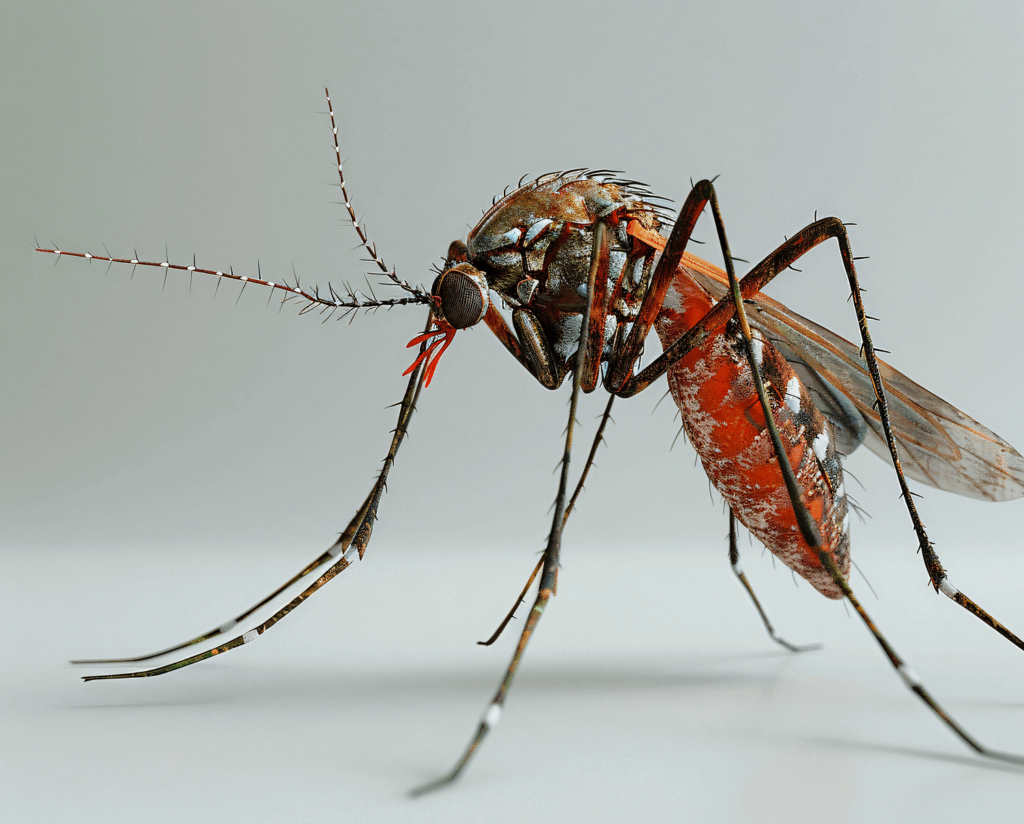
Many people assume that mosquito season ends with summer. Unfortunately, these persistent pests often stick around well into fall, thriving in hidden areas where warmth and moisture remain. Understanding where mosquitoes linger and how experts manage them is key to preventing those late-season bites that can carry disease and frustration into cooler months. Professional mosquito control is not only about spraying; it involves identifying breeding zones, disrupting life cycles, and applying safe, science-backed methods that keep populations from rebounding. Why Mosquitoes Stay Active In Fall Mosquitoes are cold-blooded insects, so their activity level depends on temperature. While their breeding slows as temperatures drop, many species remain active until daytime highs dip below 50°F. Fall provides an ideal window for continued reproduction due to lingering warmth, frequent rain, and the abundance of stagnant water. In regions with mild autumns, female mosquitoes also prepare for winter survival. Some lay eggs that remain dormant until spring, while others hibernate in attics, crawlspaces, or sheds. This is why late-season mosquito control is essential to prevent future outbreaks once temperatures rise again. Environmental factors such as shaded yards, clogged gutters, and moist soil around irrigation systems create perfect shelters for mosquito activity even after summer ends. Ignoring these areas allows eggs and larvae to survive through winter. Common Fall Mosquito Hotspots Even as outdoor temperatures cool, certain parts of your property can continue to support mosquito breeding and resting sites. Identifying and treating these zones early helps prevent infestations from carrying over into the next year. Here are some of the most common fall hotspots: Treating these areas before the first frost greatly reduces the chance of an early spring infestation. Homeowners can start with inspections, but full elimination requires professional-grade treatment and precision. The Science Behind Professional Mosquito Control Effective mosquito management involves more than just reducing adult populations. Professionals rely on an integrated approach that disrupts breeding, targets larvae, and applies treatments at the most strategic intervals. Here’s how experts tackle the problem: Professionals use data-driven strategies that consider weather patterns, pest biology, and property conditions. This targeted method ensures mosquito populations are reduced safely and effectively without overuse of chemicals. To better understand why timing and precision matter, this overview on preparing for fall pests explains how early intervention keeps insects from sheltering indoors when temperatures drop. Why DIY Mosquito Control Often Falls Short DIY sprays and yard foggers may seem convenient, but they rarely provide lasting relief. These store-bought products typically contain diluted active ingredients and fail to reach breeding grounds where mosquitoes multiply. There are several reasons home treatments don’t deliver professional results: In contrast, licensed technicians follow scientific protocols that balance effectiveness and safety. They apply the right product, at the right time, in the right place. Homeowners can learn more about the risks of untrained applications by reviewing this helpful article on why DIY pest control fails. Preventing Future Infestations Through Seasonal Maintenance Once mosquitoes are brought under control, keeping them from returning is the next challenge. Fall is the perfect season to address yard maintenance and make small adjustments that reduce breeding opportunities in the months ahead. To maintain effective mosquito control, professionals often recommend: When these preventive steps are combined with professional treatments, they form a strong barrier against re-infestation and ensure comfort through the changing seasons. Stay Ahead of the Swarm This Fall Mosquito activity may slow as the weather cools, but it doesn’t stop entirely. Taking action now ensures your yard stays bite-free well into next spring. A strategic mosquito control plan protects not only your comfort but also your health and property value.For comprehensive, long-term solutions, schedule your service with Protek Pest and Lawn. Our trained specialists know where mosquitoes hide, how they breed, and how to stop them before they become a year-round problem.
Identifying Spider Hubs Before Fall Closes In
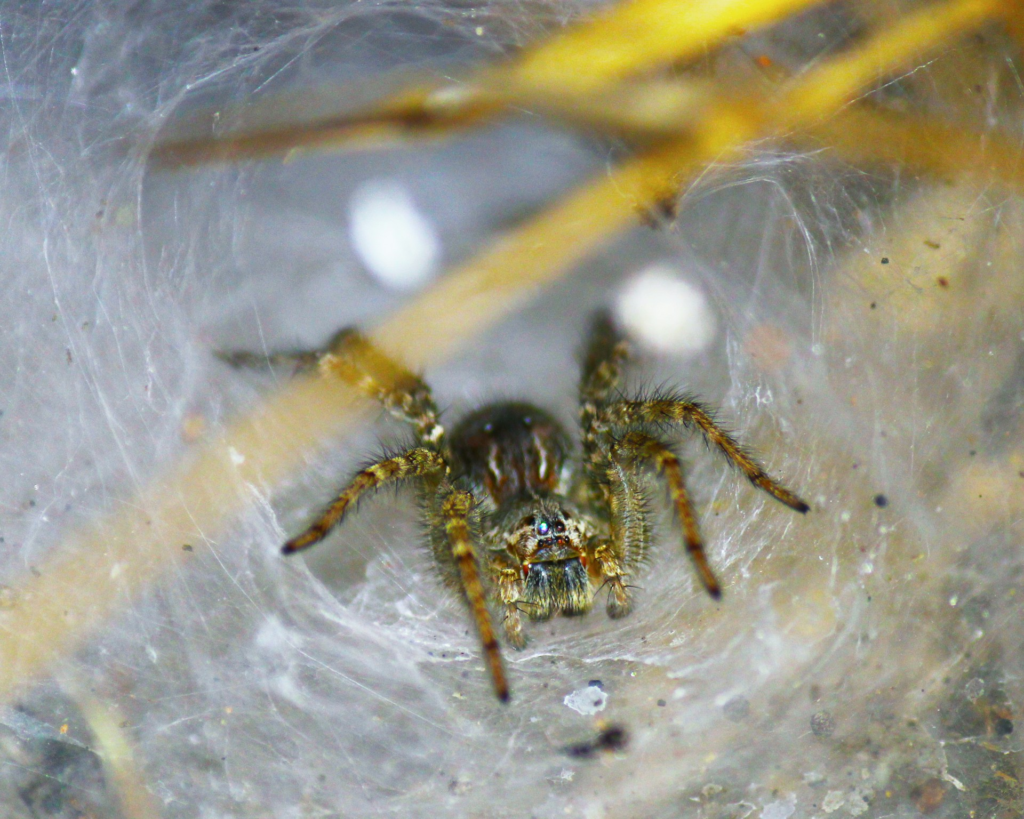
As the temperatures start to drop, spiders begin searching for warm, sheltered places to build their webs. For homeowners, this often means unexpected encounters in garages, attics, basements, and even living spaces. Understanding where spiders cluster and how to manage these early hubs can help you prevent a larger infestation before fall fully sets in. Spider control becomes most effective when applied before their cold-season migration indoors begins. Knowing how to identify early warning signs and hotspot locations helps you stay one step ahead. Why Spiders Gather in the Fall Unlike other insects that die off in cold weather, spiders seek warmth and shelter during fall. The shift in temperature prompts them to leave gardens and outdoor structures in search of new nesting areas. Homes, sheds, and garages provide ideal refuge. Several environmental factors encourage spider congregation during this season: Without proper intervention, these “spider hubs” grow rapidly and lead to visible webs, egg sacs, and ongoing infestations. Common Places Where Spider Hubs Form Understanding where spiders are most likely to hide is the first step toward effective spider control. Their preferred locations share three common traits: low traffic, minimal light, and consistent warmth. Some of the most common spider hub zones include: As autumn approaches, inspecting these areas regularly helps prevent major infestations before they settle in for the colder months. How to Spot Early Spider Activity Early detection is critical to preventing a seasonal takeover. Spiders are skilled at hiding, but their presence can often be spotted through small clues around your property. Here are signs that spider hubs may already be forming: Identifying and addressing these signs early is key to breaking the cycle. Waiting until temperatures drop further only gives them more time to multiply. If you’re unsure when to intervene, this expert discussion on preparing for fall pests explains how early inspections prevent indoor pest migration before the cold season begins. Why DIY Spider Treatments Fall Short Many homeowners turn to over-the-counter sprays or home remedies to manage spiders. While these methods may reduce visible webs temporarily, they rarely eliminate the root of the problem. The limitations of do-it-yourself solutions include: Professionals, on the other hand, combine targeted applications with exclusion methods that remove both active spiders and the conditions attracting them. Understanding why DIY pest control fails can help homeowners recognize when expert help becomes the safer and more cost-efficient choice. Building a Long-Term Spider Prevention Strategy Once spider hubs are located and cleared, prevention becomes the focus. The goal is not only to remove existing spiders but also to discourage future infestations as cooler weather arrives. To maintain year-round protection: Each preventive measure contributes to a cleaner, safer home and minimizes the likelihood of spiders returning when fall transitions into winter. Secure Your Home Before the Cold Sets In The best time for spider control is before temperatures drop and pests move inside for warmth. By identifying early spider hubs and taking timely action, you can prevent uncomfortable infestations from spreading.For a comprehensive, professional approach that ensures lasting protection, contact Protek Pest and Lawn. Our expert technicians specialize in identifying and treating hidden problem areas, giving you peace of mind as the seasons change.