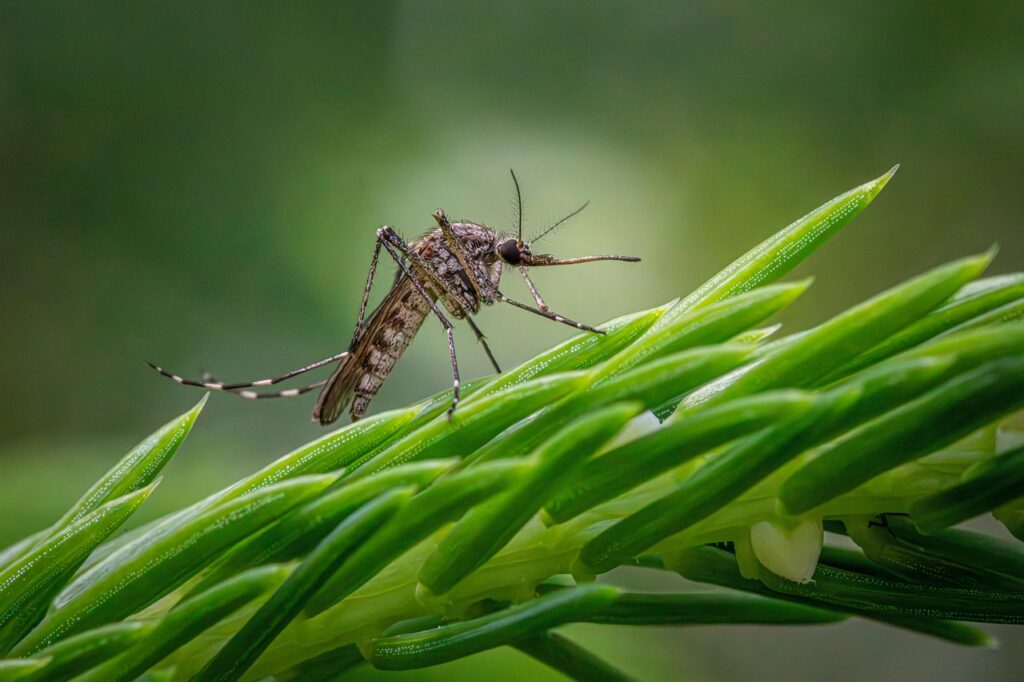
As spring arrives, outdoor spaces become more inviting. Warmer temperatures and increased humidity create ideal conditions not only for relaxation but also for mosquito activity. These pests emerge quickly and begin breeding in areas that often go unnoticed, turning backyards into active zones within a short period.
What makes mosquitoes particularly challenging is how easily their populations can grow without immediate visibility. A single overlooked water source can support dozens of larvae, allowing activity to build quietly before it becomes noticeable. By the time mosquitoes are consistently seen, breeding has often been underway for some time.
From an expert perspective, managing mosquitoes requires more than surface-level efforts. Spring mosquito control focuses on identifying breeding conditions early and reducing the factors that allow populations to grow. Addressing these conditions at the start of the season helps maintain a more comfortable outdoor environment over time.
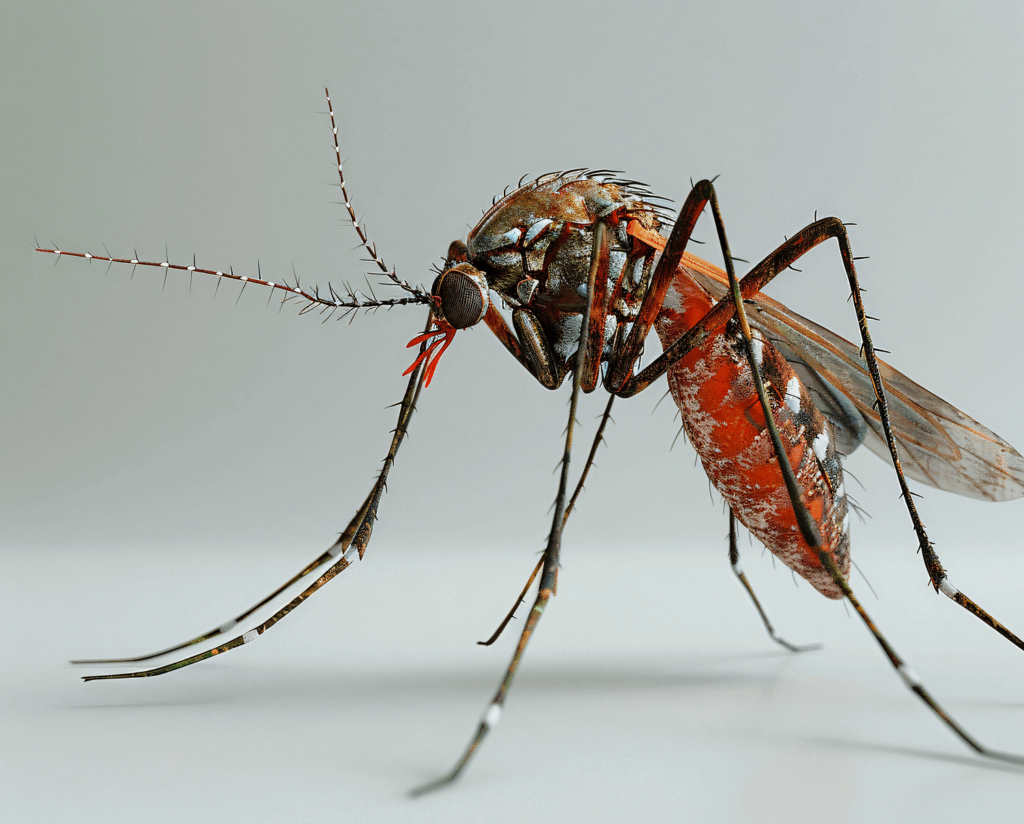
Why Mosquito Activity Increases During Spring
Mosquitoes are highly responsive to environmental changes. Spring provides the exact combination of warmth and moisture needed for their life cycle to accelerate.
- Standing water becomes a breeding ground. Even small amounts of water in containers, gutters, or low spots can support mosquito larvae.
- Warmer temperatures speed up development. Eggs hatch faster, and larvae mature more quickly as temperatures rise.
- Increased humidity supports survival. Moist conditions help mosquitoes remain active throughout the day.
- Vegetation provides shelter. Dense plants and shaded areas offer resting spots where mosquitoes remain protected.
- Overwintering mosquitoes reemerge. Some species survive colder months and become active again in spring, which is further explored in this resource about post-winter mosquito activity.
These factors create a rapid increase in mosquito populations if conditions are not managed early.
Key Areas In Your Backyard That Attract Mosquitoes
Understanding where mosquitoes thrive is essential for reducing their presence. Many of these areas are common features in residential yards.
- Water-holding containers. Buckets, planters, birdbaths, and outdoor equipment can collect rainwater and become breeding sites.
- Clogged gutters and drainage areas. Blocked water flow allows standing water to accumulate unnoticed.
- Low-lying ground. Uneven areas in the yard can retain water after rainfall.
- Dense landscaping. Shrubs, tall grass, and thick vegetation create shaded environments that mosquitoes prefer.
- Outdoor structures. Decks, sheds, and patios can provide hidden areas where moisture and shade combine.
Identifying these zones is the first step toward creating a less favorable environment for mosquitoes.
How Spring Mosquito Control Targets Breeding And Resting Areas
Effective spring mosquito control involves a combination of environmental management and targeted treatment strategies. The goal is to interrupt the mosquito life cycle before populations expand.
- Reduction of standing water. Eliminating water sources limits where mosquitoes can lay eggs.
- Management of vegetation. Trimming and maintaining plants reduces shaded resting areas.
- Treatment of active zones. Targeted applications address areas where mosquitoes gather and reproduce.
- Monitoring of recurring spots. Certain areas may repeatedly collect water or attract activity, requiring consistent attention.
- Integration with broader pest control. Mosquito management often aligns with overall pest control strategies, including ants, spiders, rodents, and other common pests found around the property.
A structured approach ensures that both breeding and resting areas are addressed effectively.
Why Consistency Matters In Mosquito Prevention
Mosquito control is not a one-time effort. Conditions change quickly during spring and early summer, making consistent monitoring essential.
- New breeding sites can form after rainfall. Even recently cleared areas may become active again.
- Mosquito populations grow rapidly. Small numbers can expand within days if conditions allow.
- Seasonal changes influence behavior. As temperatures continue to rise, mosquito activity patterns shift.
- Ongoing inspections improve results. Regular evaluations help identify new problem areas early. This approach is supported by insights shared in this guide on routine pest inspections.
- Long-term control requires adaptation. Adjusting strategies based on current conditions helps maintain effectiveness.
Consistency ensures that mosquito control remains effective throughout the season.
Building A More Comfortable Backyard Environment
Reducing mosquitoes in the backyard is about creating conditions that are less inviting to them. This involves both immediate actions and long-term planning.
- Maintaining clean and dry spaces reduces the likelihood of breeding.
- Managing landscaping improves airflow and reduces shaded resting zones.
- Monitoring water sources helps prevent unnoticed accumulation.
- Coordinating pest control efforts addresses multiple pest types, including mosquitoes, ants, spiders, and rodents.
- Planning ahead for seasonal changes supports continuous protection.
A balanced approach helps maintain outdoor spaces that are more enjoyable and less affected by pest activity.
Take Back Your Backyard This Spring
Mosquito activity can quickly take over outdoor spaces if conditions are left unmanaged. Spring mosquito control provides a proactive way to reduce breeding and maintain a more comfortable environment.For a more thorough assessment and effective seasonal protection, contact Protek Pest and Lawn and explore solutions designed to keep your backyard enjoyable throughout the season.