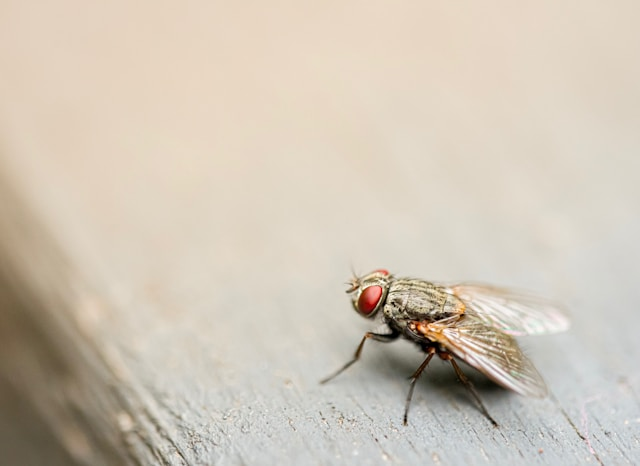
Late fall brings a noticeable change in pest behavior, and flies are among the insects most influenced by the shift. As temperatures drop, many fly species seek out warmer, protected environments, which often means moving closer to homes. While their presence may seem minor at first, late-season fly surges can develop quickly and become disruptive. Effective fly control requires understanding what drives these surges, where flies originate, and how professionals eliminate the underlying causes.
Flies thrive on moisture, organic debris, and warm microenvironments. During late fall, outdoor conditions become less favorable, pushing flies toward structures that offer stable temperatures and consistent food sources. Homes with gaps, clogged drains, decaying organic matter, or open entry points are especially vulnerable. Left unaddressed, fly surges can spread from one area of the home to another, making them significantly harder to control.
Pest professionals follow structured, evidence-based methods to manage these surges. Their approach combines inspection, environmental correction, and targeted treatment designed to break the fly life cycle at multiple stages.
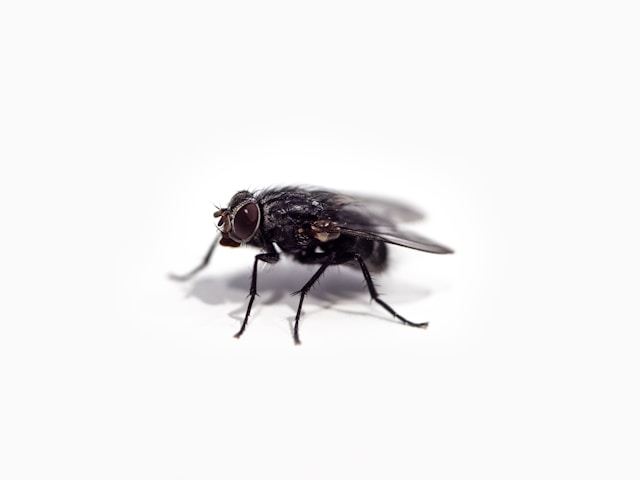
Why Fly Surges Intensify During Late Fall
Fly behavior changes dramatically once temperatures start to drop. Many species that remain outdoors during warm months begin searching for shelter and food as their natural sources become limited. These seasonal shifts create ideal conditions for sudden indoor fly surges.
Environmental factors that contribute to late fall activity include:
- Cooler temperatures that slow outdoor breeding but push flies indoors
- Decomposing vegetation and yard debris that attract late-season fly activity
- Indoor warmth and moisture that support fly development
Certain fly species, including cluster flies and houseflies, become especially active near windows, attics, and upper floors. As sunlight decreases and cooler winds arrive, they move indoors to overwinter in quiet, warm spaces.
This seasonal pattern is common but often misunderstood. Homeowners may mistake late fall fly surges for minor nuisances rather than indicators of deeper environmental factors. Understanding these patterns helps guide more effective fly control strategies, especially when combined with resources designed to identify fall fly behavior in detail.
How Professionals Identify the Source of Fly Activity
Effective fly control begins with identifying the source rather than relying on surface-level treatments. Flies reproduce rapidly, and even a small breeding area can produce dozens of adults within days. Professionals use targeted inspection techniques to determine whether flies are entering from outdoors, breeding indoors, or following scent trails from hidden organic material.
Inspections focus on:
- Drain lines, garbage areas, and kitchen waste points
- Structural gaps around windows, doors, and attic vents
- Moisture pockets near appliances or plumbing fixtures
Drain flies, for example, thrive inside organic buildup within pipes. Houseflies may enter through poorly sealed windows or vents. Cluster flies often hide behind walls or in attic spaces as they prepare to overwinter.
Technicians also evaluate exterior conditions such as compost piles, uncollected yard debris, or standing water, which can fuel late fall fly surges. By locating these attractants early, professionals isolate the true cause of activity and choose control methods that prevent recurrence.
Professionals emphasize that identifying the correct species is crucial. Different flies require different approaches, and a misidentified infestation can delay effective treatment.
Treatments Experts Use to Resolve Fall Fly Surges
Once the source of activity is identified, professionals apply a combination of environmental corrections and targeted treatments that eliminate both adult flies and developing stages. This integrated approach ensures that infestations do not return within weeks.
Professional fly control methods include:
- Sanitizing and removing organic buildup in drains or garbage areas
- Sealing structural gaps to block insect entry points
- Applying targeted treatments to breeding sites and high activity zones
Sanitization is one of the most important steps. Flies breeding in drains or organic debris require complete removal of residue that serves as a food source. Without this step, chemical treatments alone are temporary.
Structural sealing reduces access for cluster flies and houseflies that enter through cracks or vents. Vent screens, weather stripping, and sealing compounds help block entry during peak fall migration periods.
Targeted treatments vary by species but often include precise applications to drains, wall voids, or exterior breeding zones. These treatments disrupt the fly life cycle and reduce population spikes quickly and safely.
Professionals also use monitoring tools to measure progress. Expert comparisons of pro monitoring methods highlight why professional tracking is more effective than DIY attempts.
Why Late Fall Fly Surges Require Expert Handling
Many homeowners attempt to control late fall fly activity using sprays or traps. While these may eliminate adult flies temporarily, they do not address the source of the problem. Fly surges typically begin in hidden or inaccessible areas, and without precise identification, DIY methods often allow the population to rebound.
Professional handling is essential because:
- Flies often breed in concealed areas that require specialized tools to access
- Misidentifying fly species can lead to ineffective treatment choices
- Structural vulnerabilities must be corrected to prevent recurring infestations
Fly control is more complex than eliminating visible insects. Each species has specific breeding behavior, environmental requirements, and entry methods. Professionals rely on expertise, advanced equipment, and structural evaluations to ensure complete elimination.
Fall fly surges are especially persistent because flies prepare for overwintering. Without professional intervention, hidden populations may remain dormant and reappear in spring.
Long-Term Fly Prevention Through Seasonal Planning
Once late fall fly surges are resolved, prevention becomes the next priority. Seasonal planning ensures that conditions leading to recurrence are addressed before the following year.
Prevention strategies include:
- Maintaining tight seals around windows, vents, and doors
- Keeping kitchens, drains, and garbage areas free of organic buildup
- Managing exterior yard debris that attracts overwintering flies
A structured plan reduces breeding opportunities, minimizes entry points, and maintains a cleaner environment throughout changing seasons. The most successful prevention combines homeowner maintenance with periodic professional evaluations to identify new vulnerabilities as they emerge.
When Late Fall Flies Take Over, Act Fast
If fly surges are increasing as temperatures drop, expert assistance ensures the issue is solved completely and safely. Contact Protek Pest and Lawn for professional fly control strategies that restore comfort and keep your home protected through the season.