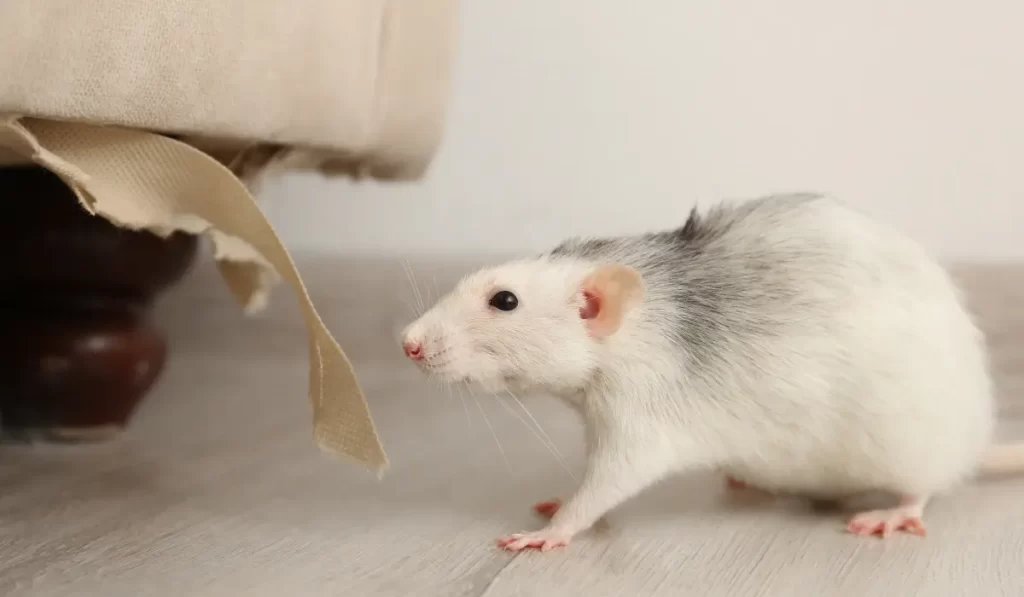
As the weather cools in autumn, rodents begin searching for shelter, food, and warmth inside homes. Once inside, they can cause extensive damage by chewing wires, contaminating food, and leaving droppings behind. Rodent control starts with understanding how these pests gain access. Detecting entry points early is the key to preventing infestations that may last throughout the colder months.
By inspecting your property carefully and paying attention to signs of activity, you can identify where rodents are sneaking in. The following guide provides a detailed approach to locating and managing entry points, ensuring your home remains protected.

Common Access Points Rodents Use
Rodents are skilled at finding ways indoors, often exploiting gaps that seem insignificant to homeowners. Knowing the most common access points makes it easier to spot weaknesses before an infestation begins.
- Foundation Cracks: Even small openings along the foundation can provide access for mice.
- Utility Lines: Openings around pipes, vents, and wiring are frequently used entryways.
- Garage Doors: Gaps under doors provide easy pathways for rats or mice.
- Attics and Rooflines: Loose shingles or vent openings allow rodents to climb in.
- Basement Windows: Poorly sealed frames give pests direct access to storage areas.
Understanding these areas is essential for creating an inspection plan. Once rodents establish themselves, they breed quickly, making early detection critical for effective rodent control. For more details about the habits of these pests, visit this resource on rats and mice.
Signs That Rodents Have Already Entered
Detecting entry points becomes easier when you also recognize the telltale signs of rodent activity. These clues can confirm whether your home is already compromised.
- Gnaw Marks: Rodents chew wood, plastic, and wires to create larger openings.
- Droppings: Found in pantries, basements, or near walls, droppings signal active infestations.
- Nests: Shredded paper, fabric, or insulation is often used to build nests inside walls or attics.
- Grease Marks: Oils from their fur leave smudges along baseboards or entry points.
- Sounds: Scratching or scurrying noises at night often come from walls or ceilings.
These indicators suggest that rodents are not only entering but also living inside your home. At this stage, sealing gaps alone may not be enough, making professional intervention an important step.
How to Inspect Your Home in Autumn
A thorough inspection during autumn helps prevent rodents from settling in before winter begins. Focus on areas where pests are most likely to exploit weaknesses.
- Walk the exterior of your home, checking the foundation for cracks or small gaps
- Inspect door and window frames for broken seals or missing weather stripping
- Examine rooflines, chimneys, and attic vents for signs of chewing or loose coverings
- Look inside basements and crawl spaces for evidence of rodent nests or droppings
- Use a flashlight to check dark corners, behind appliances, and around utility lines
Because rodents can fit through openings as small as a quarter of an inch, even minor damage should not be ignored. Consistent inspection in the fall helps prevent an infestation before cold weather drives pests indoors permanently.
Prevention Measures That Work
Once entry points are identified, immediate action should be taken to block future access. Combining sealing techniques with ongoing monitoring provides the strongest defense.
- Seal Cracks and Holes: Use steel wool, caulk, or cement to fill small gaps.
- Reinforce Doors and Windows: Install door sweeps and replace worn weather stripping.
- Protect Vents and Openings: Cover attic and crawl space vents with wire mesh.
- Eliminate Food Sources: Store food in sealed containers and dispose of trash promptly.
- Reduce Clutter: Keep storage spaces organized to limit hiding areas.
Preventive steps reduce the chances of rodents entering, but they do not guarantee complete protection. Professional rodent control ensures long-term results through comprehensive treatment and monitoring.
Why Professional Rodent Control Matters
Rodents are persistent, and once they establish a foothold, they are difficult to eliminate without specialized tools and strategies. Professionals not only identify and seal entry points but also provide safe, targeted treatments to eliminate existing infestations. Their expertise ensures that rodents are removed efficiently, reducing risks to both property and health.
While prevention is important, homeowners should also consider regular inspections from experts who understand local pest behavior. This ensures vulnerabilities are caught early and infestations are managed before they escalate. For customized protection plans and reliable support, you can easily get a quote and discuss tailored options for your home.
Secure Your Home Before Winter Sets In
Rodents are most active in autumn as they search for shelter from the cold. Detecting and sealing entry points now helps avoid infestations that can disrupt your home all winter long. For complete protection and expert guidance, contact Protek Pest and Lawn and let our professionals safeguard your property with proven solutions.