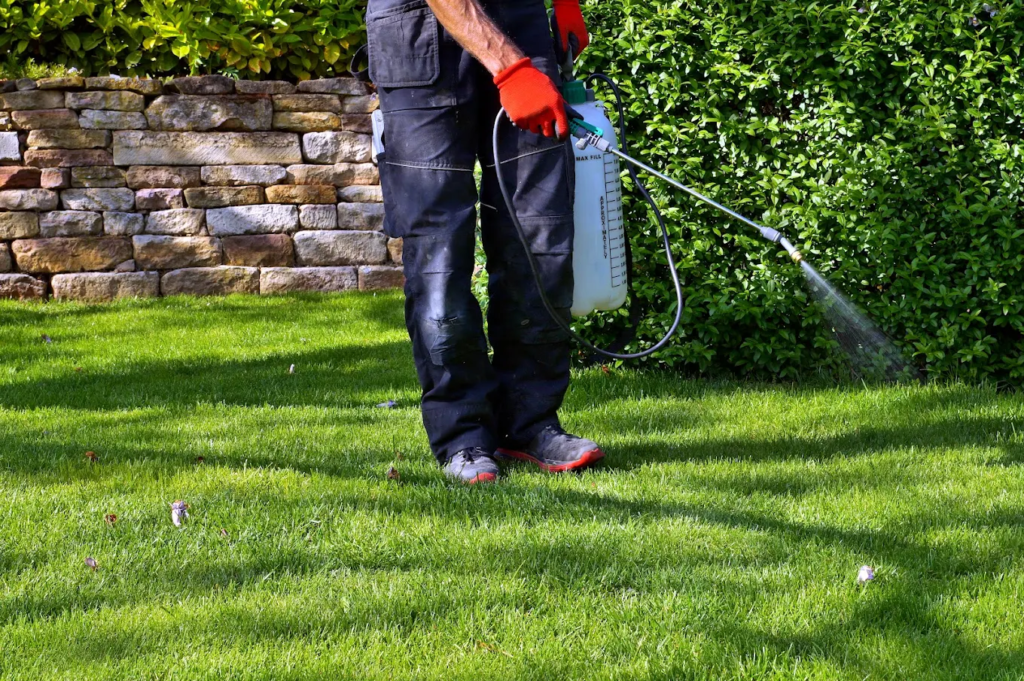
Summer in Palm Bay brings heat, humidity, frequent rain, fast-growing vegetation, and more time spent outdoors. Those conditions can increase activity from ants, cockroaches, mosquitoes, rodents, spiders, fleas, ticks, wasps, earwigs, beetles, flies, and snakes around homes and yards.
Effective pest control during summer begins before repeated sightings appear indoors. Homeowners benefit from checking moisture, entry points, landscaping, storage, and outdoor gathering areas as connected parts of the property. When these conditions are managed early, professional service can focus more precisely on active pressure rather than reacting after an infestation has spread.

Remove Water Sources That Support Summer Activity
Rain and irrigation can leave small amounts of water in places homeowners rarely notice. Mosquitoes may develop in containers and low areas, while cockroaches, earwigs, ants, and flies may gather around damp conditions near the home.
Important areas to check include:
- Gutters, drains, planters, toys, and containers that hold water.
- Leaking faucets, irrigation lines, hose connections, or outdoor equipment.
- Damp mulch, shaded soil, and overwatered turf near the foundation.
- Condensation around air-conditioning equipment, pipes, or garage utilities.
- Pet bowls and outdoor water sources that remain full for long periods.
Moisture control does not replace treatment when pests are established. It reduces the dependable water sources that help them remain active and makes inspection findings easier to interpret.
Look Beyond the Pests You Can See
Summer infestations often develop in concealed spaces before activity becomes obvious. Ant colonies may remain beneath soil or inside wall gaps, cockroaches can hide behind appliances, rodents may move through attics and garages, and wasps can build nests near rooflines or sheltered outdoor areas.
This is why hidden infestation risks matter when a few pests keep returning. Surface-level responses may reduce visible activity without reaching nesting sites, entry routes, eggs, or breeding areas. A professional inspection connects what appears indoors with the conditions outside and behind structural surfaces.
Repeated sightings in several rooms, fresh droppings, new webs, unexplained bites, gnawing, or activity near plumbing should be treated as patterns rather than isolated events.
Reduce Shelter Around the Home and Yard
Palm Bay yards can become more inviting to pests when vegetation, debris, storage, and shade create protected hiding areas. Thick growth may hold moisture, while clutter can shelter insects, rodents, snakes, and the prey that attracts them.
Summer preparation should include:
- Trimming vegetation away from siding, windows, rooflines, and walkways.
- Removing leaf piles, grass clippings, wood scraps, and unused outdoor materials.
- Organizing garages, sheds, patios, and storage areas for easier inspection.
- Keeping firewood, cardboard, and stacked items away from exterior walls.
- Checking fences, decks, and shaded corners for webs, nests, or animal activity.
The objective is not to strip the property of landscaping. It is to reduce low-disturbance spaces where pests can remain hidden close to doors, vents, foundations, and outdoor living areas.
Understand Why Florida Summer Raises Pest Pressure
Summer heat speeds the movement and development of many pests. Rain creates moisture, humidity keeps shaded areas damp, and outdoor meals or gatherings add food and human activity. These conditions can bring several pest types closer to homes at the same time.
A closer look at Florida summer pests explains how ants, cockroaches, mosquitoes, rodents, spiders, ticks, fleas, wasps, earwigs, beetles, flies, and snakes respond to warm, wet conditions. Each pest behaves differently, so a property-wide assessment is more useful than applying the same response everywhere.
For example, mosquitoes may trace back to water-holding containers, spiders to insect-rich lighting, cockroaches to damp utility areas, and rodents to food, shelter, or structural gaps. Correct identification guides more efficient pest control.
Prepare Entry Points and High-Use Areas for Inspection
Summer pest pressure often reaches the home through doors, vents, garages, utility penetrations, damaged screens, and roofline openings. High-use spaces such as patios, kitchens, pet areas, and entryways also create repeated opportunities for pests to move indoors.
A complete preparation plan may involve:
- Checking door sweeps, weather stripping, screens, vents, and garage seals.
- Inspecting utility openings, foundation cracks, roof edges, and wall gaps.
- Securing food, pet supplies, trash, and recycling in appropriate containers.
- Clearing access around baseboards, sinks, appliances, and storage walls.
- Reporting leaks, droppings, nests, bites, or recurring sightings before service.
These steps support professional inspection without encouraging unverified treatment. Technicians can then evaluate current evidence, identify the pest involved, locate likely sources, and apply targeted service where it is justified.
Palm Bay homeowners should expect summer conditions to change quickly. A quiet yard after a dry week may develop mosquito pressure after heavy rain, while ants, cockroaches, or earwigs may move toward shelter when soil becomes saturated. Ongoing monitoring helps the pest control plan remain aligned with the property instead of relying on a one-time response.
Keep Summer Pest Pressure From Taking Hold
Early preparation can make summer activity easier to identify and manage before it spreads indoors. Contact Protek Pest and Lawn for professional pest control focused on Palm Bay conditions, targeted treatment, and long-term prevention.