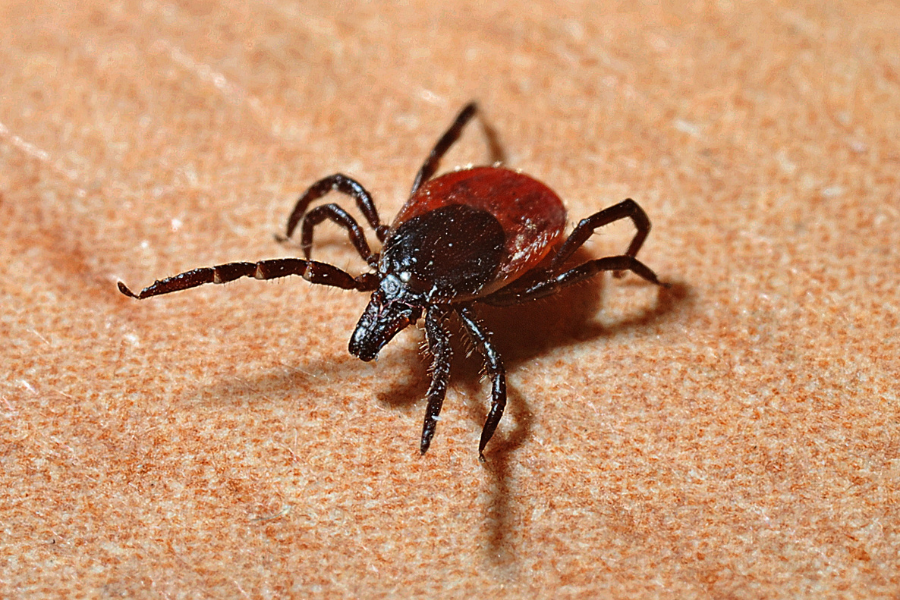
Ticks and fleas are small, but their impact on your health and home can be significant. These pests are more than just an annoyance; they can transmit diseases, infest pets, and multiply quickly in hidden areas. Many homeowners attempt to handle infestations with store-bought sprays or home remedies, believing it’s a faster or cheaper solution. Unfortunately, most of these DIY approaches create short-term relief and long-term problems.
Proper tick and flea removal requires precision, product knowledge, and safe application methods. Without professional tools and understanding of pest behavior, infestations often return stronger than before.
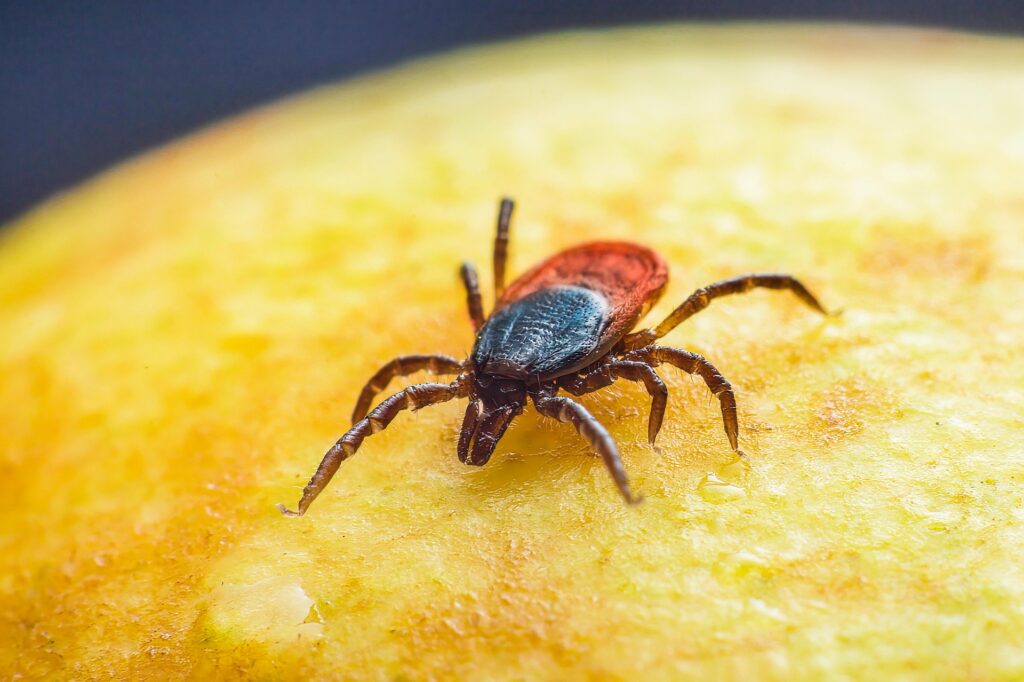
Why DIY Tick And Flea Treatments Fail
The biggest misconception about tick and flea removal is that these pests are easy to eliminate with off-the-shelf products. In reality, their life cycles are complex, and incomplete treatments leave behind eggs, larvae, and pupae that soon hatch into new adults.
There are several reasons why most do-it-yourself treatments fail:
- Limited product effectiveness: Store-bought insecticides often contain diluted or low-grade active ingredients that provide only temporary control.
- Hidden breeding sites: Fleas and ticks lay eggs in pet bedding, carpets, cracks, and even baseboards. Without thorough treatment, missed areas allow the infestation to continue.
- Resistance development: Overuse of general pesticides can lead to resistant pest populations, making them harder to eradicate later.
- Health and safety concerns: Inadequate ventilation or improper dosage can expose pets and family members to harmful chemicals.
Many homeowners who begin with a DIY attempt eventually find themselves calling professionals for help once the problem resurfaces. Understanding when to call for professional assistance can prevent wasted effort and unnecessary risk, as discussed in our guide on why DIY pest control fails.
The Health Risks Behind Ticks and Fleas
Ticks and fleas are not just bothersome; they are dangerous vectors for diseases that affect both humans and animals. These pests feed on blood and, in doing so, can transmit a range of illnesses.
Some of the most common risks include:
- Lyme disease and Rocky Mountain spotted fever: Both are transmitted through tick bites and can cause long-term joint pain, fever, and fatigue.
- Tapeworms and Bartonella: Fleas can infect pets and people with these parasites through bites or accidental ingestion.
- Allergic reactions: Flea saliva can trigger severe itching and dermatitis in pets and humans alike.
- Secondary infestations: Fleas often carry other parasites or bacteria that thrive in uncleaned areas.
Because these pests are resilient and reproduce rapidly, professional intervention becomes not just a matter of comfort but of health protection.
Why Professional Tick And Flea Removal Works
Effective pest management is not just about killing what’s visible; it’s about breaking the entire life cycle. Professionals use integrated pest management (IPM) techniques that target every stage, from eggs to adults, ensuring the infestation doesn’t rebound.
The process typically includes:
- Inspection and identification: Locating breeding zones and nesting sites that homeowners often overlook.
- Targeted application: Using regulated and pet-safe products that destroy pests without compromising indoor safety.
- Environmental adjustments: Recommending changes such as vacuuming routines, pet care treatments, and yard maintenance to prevent recurrence.
- Follow-up monitoring: Ensuring residual protection continues after treatment.
Professionals also understand the importance of seasonal patterns in pest activity. Fall, for example, is a critical time to prepare your home for pest invasions before temperatures drop. Scheduling preventive services during this period can make a significant difference, as emphasized in our article on preparing for fall pests.
The Dangers of Chemical Misuse in DIY Methods
Many store-bought or homemade remedies use strong chemicals without proper safety measures. When used incorrectly, they can harm pets, damage surfaces, and leave behind residues that linger in carpets or upholstery.
The potential dangers include:
- Respiratory irritation or poisoning in humans and pets.
- Contaminated air from improper indoor spraying.
- Environmental harm occurs if chemicals seep into drains or soil.
- Reduced pest control effectiveness due to inconsistent application.
Professionals are licensed and trained to apply these materials in safe concentrations and only in targeted areas. They also know when chemical use is unnecessary, opting for eco-friendly or mechanical control methods when appropriate.
Long-Term Prevention for Lasting Results
Once ticks and fleas are eliminated, the focus should shift toward prevention. Regular inspections, lawn maintenance, and pet care routines all contribute to keeping infestations from returning.
To maintain a pest-free home, experts recommend:
- Washing pet bedding weekly in hot water.
- Regularly vacuuming carpets, furniture, and rugs.
- Trimming grass and bushes where pests may hide.
- Treating pets with veterinarian-approved flea and tick prevention.
- Scheduling seasonal inspections to monitor early signs of pest activity.
Even with these precautions, infestations can still develop if eggs or larvae survive in hidden areas. That’s why periodic professional services remain the most reliable defense against re-infestation.
Secure a Safer Home the Smart Way
When it comes to tick and flea removal, it’s not worth risking your health or your pets’ safety. Professional treatments eliminate the guesswork, targeting pests thoroughly and preventing their return. Don’t wait until the problem becomes unmanageable. Reach out to Protek Pest and Lawn for reliable, comprehensive protection that keeps your home and family safe.