
Pest activity changes continuously throughout the year. Temperature shifts, moisture patterns, and seasonal food availability all influence how insects and rodents behave. Because these conditions evolve every few months, relying on a single treatment or reacting only when pests appear is rarely enough. Quarterly pest plans provide structured, year-round protection that adapts to seasonal changes and stops infestations before they spread.
Homes face different risks in spring, summer, fall, and winter. Ants build new colonies in warm months, spiders follow prey indoors when temperatures cool, and rodents look for shelter as fall approaches. Quarterly pest plans track these changes and address them proactively rather than waiting for visible signs. This consistent approach reduces long-term damage, prevents recurring issues, and maintains a healthier indoor environment.
Today’s pest pressures require more than occasional treatment. A routine plan ensures that your home remains monitored, protected, and fortified against evolving pest behavior.
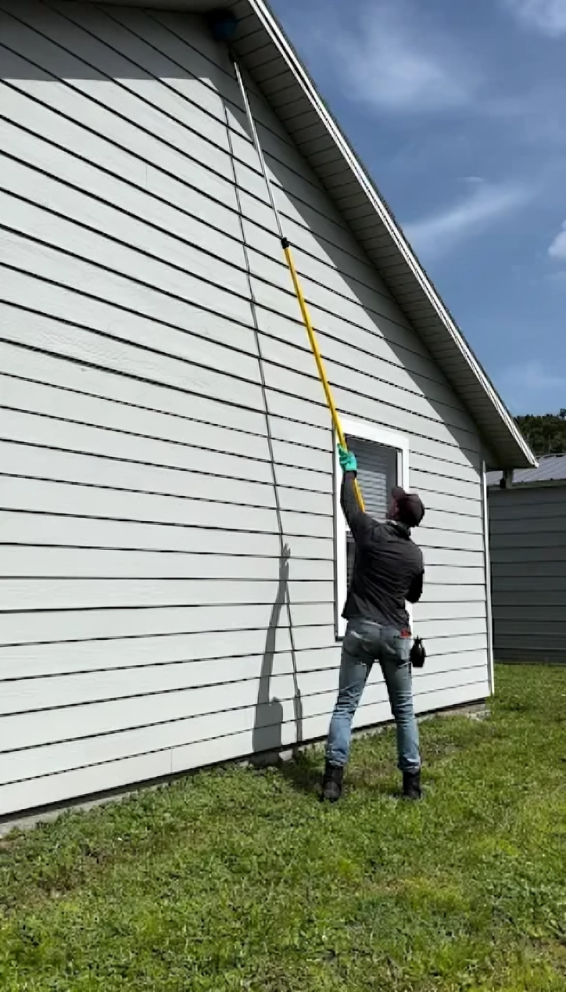
Why Homes Need Consistent, Year-Round Protection
Most homeowners notice pests only when populations become visible. Unfortunately, by the time insects or rodents are seen, the infestation has usually been growing for weeks or months. Quarterly pest plans prevent this by addressing seasonal patterns before they escalate.
The need for consistent protection comes from:
- Seasonal behavior shifts that influence how pests enter and move through homes
- Hidden infestations that develop behind walls, in attics, or beneath floors
- Environmental conditions that support pest survival throughout the year
For example, rodents become significantly more active in the fall when temperatures drop. Our guide related to fall sheltering behavior explains how quickly rodents take advantage of small openings around the home.
Quarterly service aligns prevention with these predictable patterns. Instead of reacting to infestations after they expand, routine care reduces long-term risk and improves the effectiveness of each treatment cycle.
How Quarterly Plans Address Seasonal Pest Challenges
Each season presents unique pest threats. Quarterly pest plans are structured to address these differences, ensuring the home remains protected no matter what time of year it is.
Seasonal pest challenges include:
- Spring expansion of ant colonies and increased insect activity
- Summer populations that thrive in heat and moisture-rich conditions
- Fall invasions by rodents and spiders seeking warm shelter
Spring treatments often focus on perimeter defense and early colony suppression. Summer appointments target high activity zones such as kitchens, patios, and wall voids. Fall visits emphasize exclusion strategies and rodent prevention. Winter treatments ensure pests do not overwinter inside attic insulation or crawl spaces.
Monitoring is a critical part of each seasonal visit. Expert evaluations identify population shifts, environmental changes, and structural vulnerabilities. This allows technicians to adjust treatment strategies as needed, strengthening the home’s long-term defenses.
A quarterly approach stays ahead of pest behavior rather than falling behind it.
Why Monitoring Matters More Than One-Time Treatments
Monitoring is one of the most valuable components of quarterly pest plans. Pests often remain active even when they are not visible. Eggs, larvae, and early colony stages continue developing until conditions become ideal. Without regular monitoring, these silent growth periods can lead to sudden infestations.
Monitoring provides:
- Early detection of hidden activity before it spreads
- Identification of new entry points or structural gaps
- Insight into seasonal movement patterns around the home
Routine monitoring also allows professionals to spot problems homeowners may overlook, such as moisture buildup near foundations or subtle signs of rodent movement. Our comparisons of pro monitoring benefits highlight how precise evaluation outperforms occasional DIY checks.
One-time treatments may reduce visible pests temporarily, but they do not address the ongoing environmental conditions that allow infestations to return. Quarterly plans combine monitoring with targeted treatments to ensure lasting protection.
Benefits of Routine Treatment and Prevention Strategies
Quarterly pest plans offer a combination of treatment, inspection, and prevention techniques designed to strengthen long-term protection. Each visit builds upon the previous one, creating a layered defense that adapts to your home’s needs.
Major benefits include:
- Consistent reduction of pest populations both inside and outside the home
- Preventive sealing and exclusion that block entry points
- Safer, healthier indoor environments with fewer allergens and contaminants
By removing attractants such as food debris, moisture pockets, and hiding areas, quarterly plans make the home less appealing to pests. Exterior perimeter treatments stop insects before they reach entry points. Interior treatments target high-risk areas such as kitchens, basements, and utility rooms.
Routine prevention also reduces property damage. Rodents, ants, and spiders can harm insulation, wiring, drywall, and stored items. Consistent oversight ensures these risks are caught early.
Quarterly plans deliver ongoing peace of mind by keeping the home protected across all seasons.
Why Professional Expertise Strengthens Long-Term Pest Protection
Seasonal pest pressures require specialized knowledge. Understanding how pests migrate, nest, and reproduce is essential for effective treatment. This is why professional expertise is at the core of successful quarterly pest plans.
Trained technicians provide:
- Accurate identification of pest species and behavior
- Strategic placement of treatments for maximum effectiveness
- Safe, environmentally conscious approaches that protect the home
Professionals also recognize subtle environmental changes such as humidity shifts, temperature variations, and structural weaknesses that influence pest behavior. Their evaluations ensure treatments adapt to the home’s evolving conditions.
DIY approaches often lack the depth needed for ongoing success. Many pests breed in hidden areas where DIY products cannot reach. Quarterly pest plans ensure that both active pests and underlying conditions are addressed thoroughly.
When Your Home Needs a Year-Round Shield
If you want reliable protection across all seasons, a structured quarterly approach delivers lasting results. Contact Protek Pest and Lawn for expert pest plans that keep your home safeguarded every month of the year.