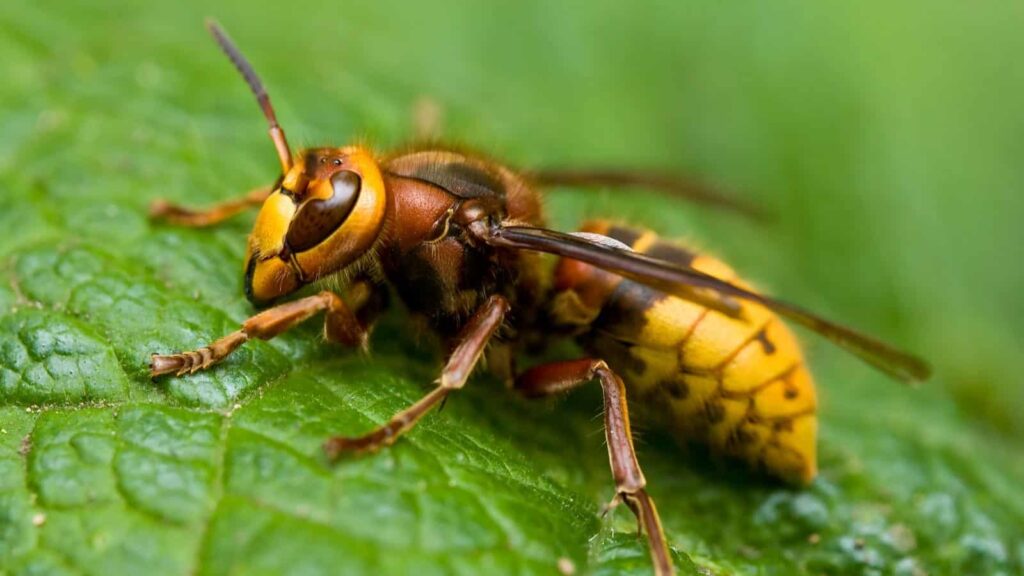
Florida’s warm climate creates favorable conditions for wasps and hornets throughout much of the year. While occasional sightings may seem manageable at first, nest activity near homes or commercial buildings can become a serious concern when colonies expand. These insects often build nests close to entry points, outdoor seating areas, rooflines, sheds, fences, landscaping, and covered patios where human activity regularly takes place.
Many property owners notice activity only after nests have already grown larger. By that stage, wasps and hornets may become increasingly defensive around movement, noise, or nearby disturbances. Professional pest control evaluations help identify where nests are developing and what conditions may continue attracting these stinging insects around the property.
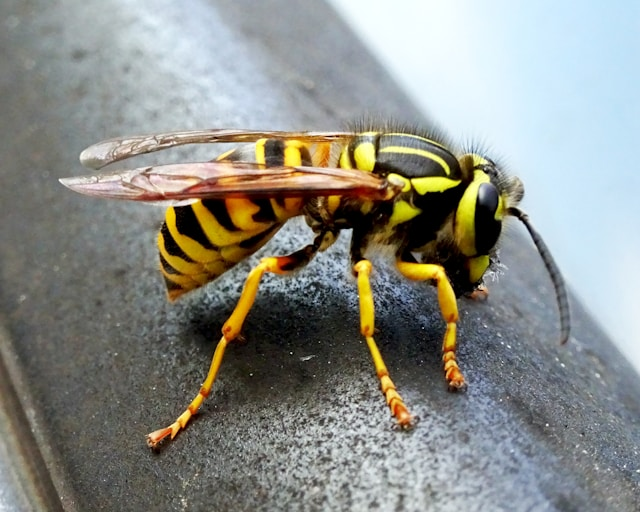
Why Florida Properties Commonly Attract Nest Activity
Florida’s humidity, heat, and long warm seasons support active insect populations for extended periods. Wasps and hornets often search for sheltered nesting areas protected from wind and heavy weather. Structures with overhangs, unused corners, dense landscaping, and limited foot traffic can become appealing locations.
- Roof eaves provide sheltered overhead nesting spots
- Decks and patios may contain structural gaps
- Dense shrubs create hidden protection near walkways
- Sheds and storage areas often remain undisturbed for long periods
- Outdoor food and sugary residue may attract foraging insects
As colonies grow, activity around the nest usually becomes more noticeable. Increased movement near doors, windows, garages, and outdoor gathering spaces can raise the risk of accidental encounters. This becomes especially important for households with children, pets, or individuals sensitive to stings.
Nearby pest activity may also contribute to the environment attracting stinging insects. Properties already dealing with ants, termites, cockroaches, rodents, fleas, spiders, or mosquitoes may have moisture, food, or shelter conditions that support broader insect pressure overall.
Hidden Nests Can Become Larger Before Detection
One challenge with wasp and hornet activity is that nests are not always immediately visible. Some colonies remain hidden behind shutters, inside wall voids, beneath decking, or underneath roof structures where daily activity does not easily expose them.
Professional inspections often focus on identifying these concealed nesting areas before colonies expand further. Property owners sometimes attempt removal after noticing only a small amount of activity, unaware that the visible insects may represent a much larger nest nearby.
- Wall voids may hide expanding colonies indoors
- Attic openings can support protected nesting activity
- Fence gaps sometimes shelter developing nests
- Utility boxes and exterior fixtures create hidden spaces
- Covered outdoor structures may conceal overhead nests
Disturbing active nests without understanding colony size can increase defensive behavior quickly. Wasps and hornets may react aggressively when they perceive vibration, movement, or direct interference near the nest area. This is one reason professional handling remains important for reducing unnecessary risk. Additional information about safe handling concerns can be found through these nest removal risks.
Why Wasp And Hornet Activity Should Not Be Ignored
Some property owners delay addressing nest activity if insects appear calm during certain times of day. However, colonies usually continue growing while environmental conditions remain favorable. Larger nests naturally increase the number of active insects protecting the colony.
Repeated activity near entrances, playgrounds, walkways, or outdoor seating areas can create ongoing safety concerns. Even routine lawn care, deliveries, or outdoor maintenance may accidentally disturb hidden nests. For commercial properties, visible nest activity can also affect customer comfort and employee safety around entrances or gathering areas.
Professional pest control services focus not only on active nests but also on identifying the surrounding conditions that support recurring activity. Structural gaps, moisture retention, food sources, and protected nesting zones all contribute to long-term wasp and hornet pressure if left unaddressed.
Properties benefiting from regular evaluations often identify developing activity earlier, before colonies become harder to manage. Ongoing monitoring also helps detect seasonal changes that increase insect pressure around structures. Property owners interested in routine oversight can review how routine inspections help support broader prevention efforts.
Environmental Conditions That Support Long-Term Activity
Wasp and hornet populations often return to properties where favorable conditions remain unchanged. Outdoor clutter, standing moisture, overgrown vegetation, exposed food waste, and structural gaps may continue attracting activity season after season.
- Dense landscaping provides protected nesting cover
- Exterior moisture can support nearby insect populations
- Open garbage areas may attract foraging wasps
- Structural gaps allow easier access near buildings
- Untreated nesting sites may encourage recurring activity
Florida weather patterns can also extend active seasons longer than many homeowners expect. Warm temperatures allow colonies to remain active for extended periods compared to colder regions, where winter conditions slow insect development more quickly.
Because nests may develop in difficult-to-access areas, professional evaluations often provide a clearer understanding of overall property conditions. Identifying environmental patterns early supports more effective long-term management instead of reacting only after nest activity becomes severe.
Protect Outdoor Spaces Before Activity Expands
Wasp and hornet nests around Florida properties can create increasing safety concerns as colonies grow and activity spreads near common outdoor areas. Early evaluation helps identify hidden nesting sites, structural vulnerabilities, and environmental conditions contributing to recurring activity. Long-term pest control strategies focus on reducing both active threats and the conditions that support future nesting around the property. For professional assistance with wasp and hornet concerns, contact Protek Pest and Lawn.