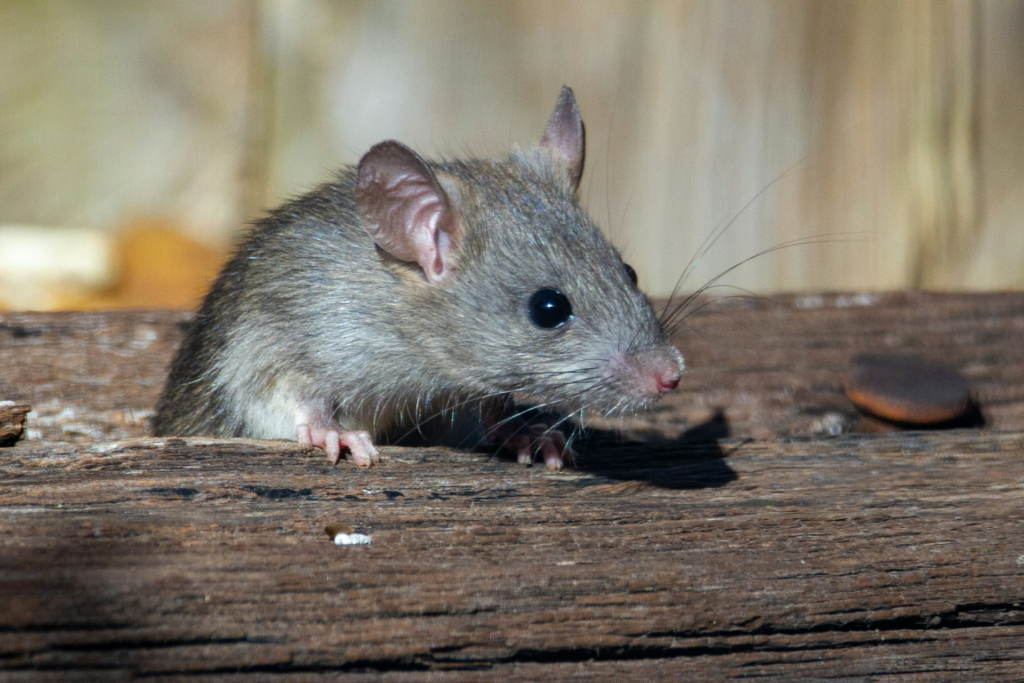
Few things are more unsettling than hearing faint scratching sounds coming from behind your walls. While it may seem minor at first, these subtle noises can signal a serious issue: rodents have made a home inside your property. Wall cavities provide warmth, shelter, and easy access to food, making them ideal nesting sites for rats and mice. Once inside, they can cause extensive damage to wiring, insulation, and structural materials; issues that grow worse the longer they go unnoticed.
Early detection and timely rodent control are essential to prevent long-term property damage and health risks. Rodents are known carriers of bacteria and allergens that can spread through droppings and contaminated surfaces. Understanding the signs of nesting helps homeowners take action before an infestation becomes severe. This article explains the most reliable indicators of rodent activity inside walls and why seeking professional assistance ensures lasting results.
Scratching, Scurrying, and Unusual Noises
One of the earliest and most frequent signs of rodent activity inside walls is the presence of sounds. Residents may hear:
- Faint scratching or scurrying behind drywall or above ceilings during night hours
- Thumping or movement near wall joints or inside attic spaces
- High-pitched squeaking or chirping when rodents are active
These noises typically indicate that rodents such as mice, rats, or even moles have entered voids within the structure. Because walls offer protection and access to warmth, rodents may remain hidden for long periods. If these sounds persist or intensify, nesting is likely occurring, and professional rodent control is necessary to identify entry points and eliminate the population.
Droppings, Odor, and Nesting Materials
When rodents nest in wall cavities, certain physical signs become evident. A thorough inspection by an expert will reveal:
- Droppings clustered near baseboards, behind appliances, inside cabinets, or near pipe chases
- Musty or ammonia-like odor emanating from hidden spaces or behind walls, often indicating urine or nesting material
- Presence of shredded paper, fabric, insulation, or cardboard, which are common nesting materials carried by rodents
These clues suggest not only presence but prolonged activity. Hiding nesting material requires time and repeated trips, so observing these signs means the infestation is well underway. At this stage, DIY traps or repellents are unlikely to address the full problem adequately; skilled technicians are best suited to perform comprehensive rodent control, locate all nests, and remove contaminated materials.
Gnaw Marks, Damage, and Structural Impact
Rodents are constantly gnawing creatures. This behavior leaves tell-tale damage markers that often point to nesting areas:
- Gum-sized holes in drywall or along electrical conduits where rodents gain access to wall cavities
- Chew marks on wood framing, grout, or baseboards adjacent to wall openings
- Frayed insulation or exposed wiring resulting from rodent activity inside walls
- Structural sagging or vibration noises near infested wall sections due to extensive damage
These signs mean rodents are not only present but are active and causing material damage. Proper rodent control requires addressing both the infestation and any repair of structural or electrical hazards caused by rodent behavior.
Tailored Inspection, Exclusion, and Removal
Conducting a comprehensive inspection and remediation process for rodents in walls involves professional steps such as:
- Surveying the home interior and exterior to identify potential entry points and nesting zones
- Implementing rodent traps, bait stations, and exclusion devices strategically placed by trained technicians
- Clearing out nest sites, removing debris, contaminated insulation, or materials, and sanitizing affected areas
- Sealing all identified wall openings, cracks, and pipe penetrations to prevent future entry
This structured method ensures not only that visible signs of infestation are handled, but that the hidden root causes of nesting are eliminated. As outlined in how to detect rodent entry points in autumn, timing and thorough exclusion are critical to effective control.
Why DIY Methods Often Fail and What a Professional Service Offers
Many homeowners resort to plug-and-play rodent traps or over-the-counter poisons only to find the problem returns. Common reasons include:
- Missing key entry points that allow rodents continuous reinvasion
- Inability to access hidden nesting areas inside walls without proper tools or training
- Residual contamination and odor remaining after trapping, which pose health risks
- Lack of strategic mapping of rodent pathways and failure to treat corridors effectively
A professional rodent control service provides trained technicians who not only deploy effective solutions but also conduct post-treatment monitoring and maintenance, ensuring complete resolution beyond basic traps and baits.
Your Next Step to Peace of Mind
If you suspect rodents have nested inside your walls, it’s time to act before the problem worsens. Contact Protek Pest and Lawn today for expert rodent control, thorough inspections, and long-term solutions to safeguard your home and family.