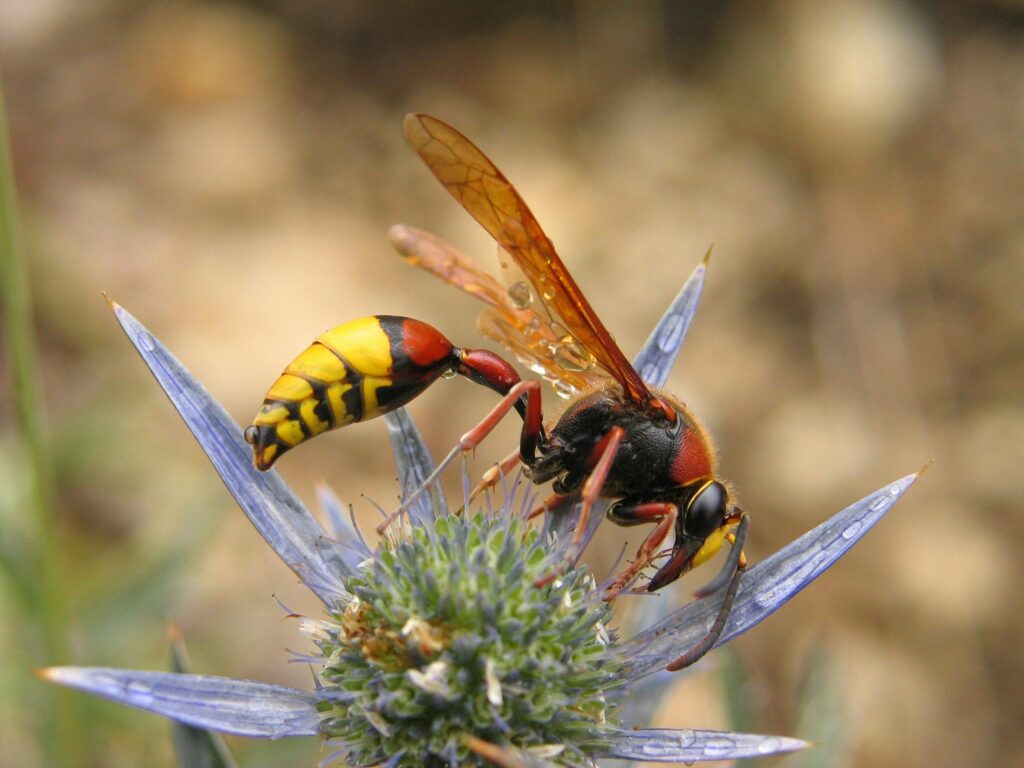
Wasp and hornet activity around a home usually starts with a simple combination of food, shelter, warmth, and access. In Florida, these conditions can stay active for much of the year, so nests may develop near rooflines, soffits, shrubs, fences, sheds, garages, patios, and other protected areas. A few flying insects near the yard may seem minor at first, but repeated activity often means there is a nest or reliable attractant nearby.
Understanding what draws them in helps homeowners recognize why wasp and hornet control should be handled carefully. These insects can become defensive when nests are disturbed, especially near entryways, play areas, outdoor kitchens, and walkways. A measured, inspection-based approach is safer and more effective than reacting only to visible activity.
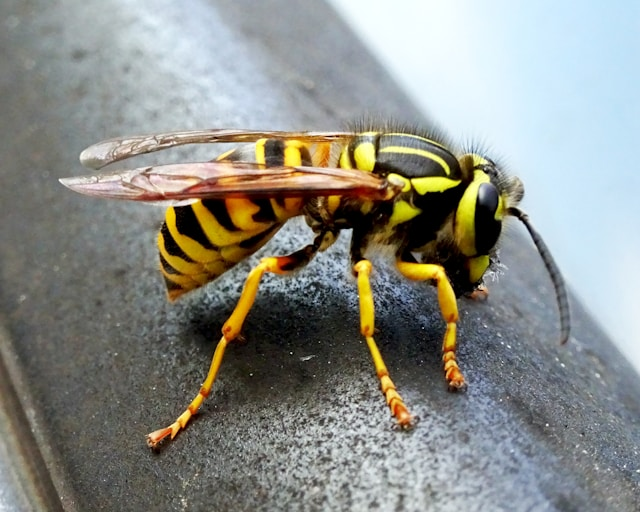
Food Sources Keep Them Coming Back
Wasps and hornets are drawn to food sources that change throughout the season. Early activity may focus on insects, while later activity often shifts toward sugars, ripe fruit, drinks, and scraps. Around homes, outdoor living areas can provide a steady supply.
- Trash bins with loose lids can attract foraging insects.
- Sugary drinks, fruit peels, and food spills can create patio activity.
- Pet food and outdoor bowls can become easy feeding spots.
- Garden pests, flies, and other insects can support hunting activity.
These attractants can also overlap with other pest concerns, including ants, beetles, cockroaches, earwigs, flies, mosquitoes, rodents, spiders, ticks, fleas, snakes, and lawn weeds. When several issues appear together, the property conditions deserve a closer look.
Nesting Sites Offer Protection
Wasps and hornets choose nesting locations that protect them from weather, predators, and daily disturbance. Roof overhangs, soffits, eaves, wall voids, deck undersides, shrubs, fences, attic vents, and sheds can all provide shelter. The more protected the site, the easier it is for activity to grow without being noticed.
Florida properties may also have dense landscaping, irrigation, shaded corners, and outdoor storage areas that create useful nesting spots. A nest near a doorway or seating area can quickly become a safety concern because normal movement may be interpreted as a threat.
Seasonal pressure matters, too. Warmer weather, moisture, and increased insect activity are discussed in relation to summer pest pressure, which helps explain why wasps, hornets, mosquitoes, flies, ants, and other pests may become more noticeable around homes during peak months.
Warm Weather Increases Outdoor Activity
Florida’s climate can keep pests moving for long periods. Heat speeds up insect activity, while rain and humidity can support vegetation, standing water, and prey insects. When lawns, gardens, and outdoor living spaces become more active, wasps and hornets often follow.
- Warm temperatures can support longer foraging periods.
- Rain can increase plant growth and attract other insects.
- Outdoor gatherings may provide food, drinks, and trash exposure.
- Irrigation can keep yards lush and insect-friendly.
Because wasps and hornets respond to both food and shelter, activity may appear in several areas at once. Seeing them near a porch, then near a fence, does not always mean multiple nests, but it does suggest established travel patterns. Professional inspection helps determine whether activity is tied to one nest, several nesting sites, or broader pest conditions.
Hidden Nests Create Safety Concerns
The most concerning activity is often the least obvious. A nest hidden inside a wall void, attic edge, thick shrub, or ground cavity may not be visible from a distance. Homeowners may only notice insects entering and exiting the same small opening. Disturbing that area can trigger defensive behavior.
This is why wasp and hornet control requires caution. The nest location, species behavior, height, access point, and nearby human activity all affect the safest response. A nest close to children, pets, doors, windows, pools, or patios should be evaluated with particular care.
A closer look at nest safety risks shows why removal is not only about taking down visible paper material. The real priority is identifying active nesting, reducing risk, and preventing the same protected areas from being reused.
Property Conditions Can Invite Repeat Activity
Long-term prevention depends on making the property less attractive after the immediate issue is addressed. If food, shelter, and access remain unchanged, wasps or hornets may return to nearby areas later.
- Seal cracks, gaps, and openings around rooflines, vents, and utility areas when appropriate.
- Keep trash covered and remove food waste from outdoor spaces quickly.
- Trim dense shrubs and reduce clutter around sheds, fences, and patios.
- Monitor recurring activity near the same structural edges or landscape features.
Professional service helps connect visible wasp or hornet activity with the conditions supporting it. That may include exterior nesting sites, insect prey, vegetation, moisture, or structural openings. A targeted plan can also account for related pest pressure involving mosquitoes, flies, ants, spiders, rodents, snakes, ticks, fleas, cockroaches, beetles, earwigs, and weed growth around the property.
The goal is a safer, more comfortable outdoor environment built on careful inspection, proper treatment, and practical prevention.
Keep Outdoor Spaces Safer
For careful inspection, targeted wasp and hornet control, and prevention support around your Florida property, contact Protek Pest and Lawn.