

The Hidden Dangers Of DIY Tick And Flea Removal
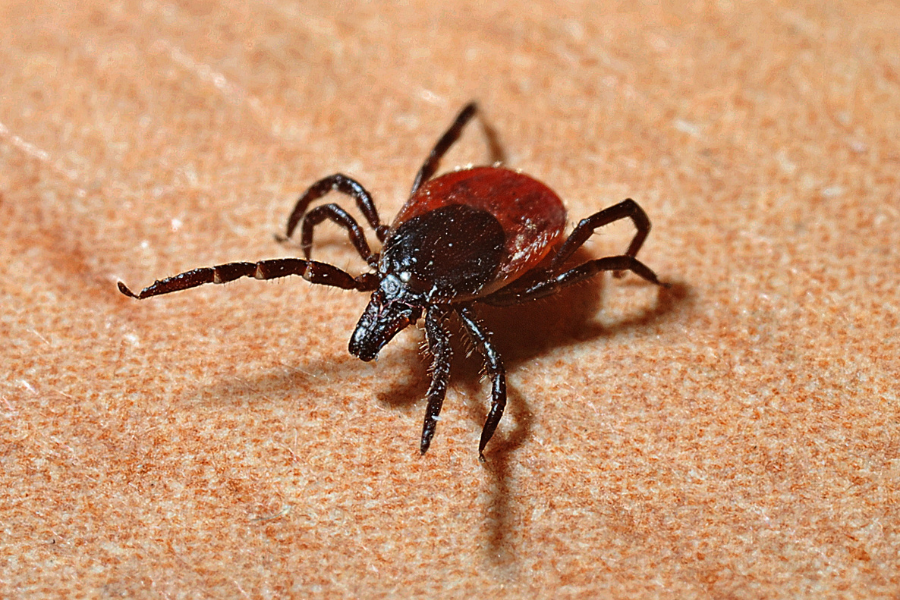
Ticks and fleas are small, but their impact on your health and home can be significant. These pests are more than just an annoyance; they can transmit diseases, infest pets, and multiply quickly in hidden areas. Many homeowners attempt to handle infestations with store-bought sprays or home remedies, believing it’s a faster or cheaper solution. Unfortunately, most of these DIY approaches create short-term relief and long-term problems. Proper tick and flea removal requires precision, product knowledge, and safe application methods. Without professional tools and understanding of pest behavior, infestations often return stronger than before. Why DIY Tick And Flea Treatments Fail The biggest misconception about tick and flea removal is that these pests are easy to eliminate with off-the-shelf products. In reality, their life cycles are complex, and incomplete treatments leave behind eggs, larvae, and pupae that soon hatch into new adults. There are several reasons why most do-it-yourself treatments fail: Many homeowners who begin with a DIY attempt eventually find themselves calling professionals for help once the problem resurfaces. Understanding when to call for professional assistance can prevent wasted effort and unnecessary risk, as discussed in our guide on why DIY pest control fails. The Health Risks Behind Ticks and Fleas Ticks and fleas are not just bothersome; they are dangerous vectors for diseases that affect both humans and animals. These pests feed on blood and, in doing so, can transmit a range of illnesses. Some of the most common risks include: Because these pests are resilient and reproduce rapidly, professional intervention becomes not just a matter of comfort but of health protection. Why Professional Tick And Flea Removal Works Effective pest management is not just about killing what’s visible; it’s about breaking the entire life cycle. Professionals use integrated pest management (IPM) techniques that target every stage, from eggs to adults, ensuring the infestation doesn’t rebound. The process typically includes: Professionals also understand the importance of seasonal patterns in pest activity. Fall, for example, is a critical time to prepare your home for pest invasions before temperatures drop. Scheduling preventive services during this period can make a significant difference, as emphasized in our article on preparing for fall pests. The Dangers of Chemical Misuse in DIY Methods Many store-bought or homemade remedies use strong chemicals without proper safety measures. When used incorrectly, they can harm pets, damage surfaces, and leave behind residues that linger in carpets or upholstery. The potential dangers include: Professionals are licensed and trained to apply these materials in safe concentrations and only in targeted areas. They also know when chemical use is unnecessary, opting for eco-friendly or mechanical control methods when appropriate. Long-Term Prevention for Lasting Results Once ticks and fleas are eliminated, the focus should shift toward prevention. Regular inspections, lawn maintenance, and pet care routines all contribute to keeping infestations from returning. To maintain a pest-free home, experts recommend: Even with these precautions, infestations can still develop if eggs or larvae survive in hidden areas. That’s why periodic professional services remain the most reliable defense against re-infestation. Secure a Safer Home the Smart Way When it comes to tick and flea removal, it’s not worth risking your health or your pets’ safety. Professional treatments eliminate the guesswork, targeting pests thoroughly and preventing their return. Don’t wait until the problem becomes unmanageable. Reach out to Protek Pest and Lawn for reliable, comprehensive protection that keeps your home and family safe.
Preventive Steps Professionals Take For Earwig Infestations
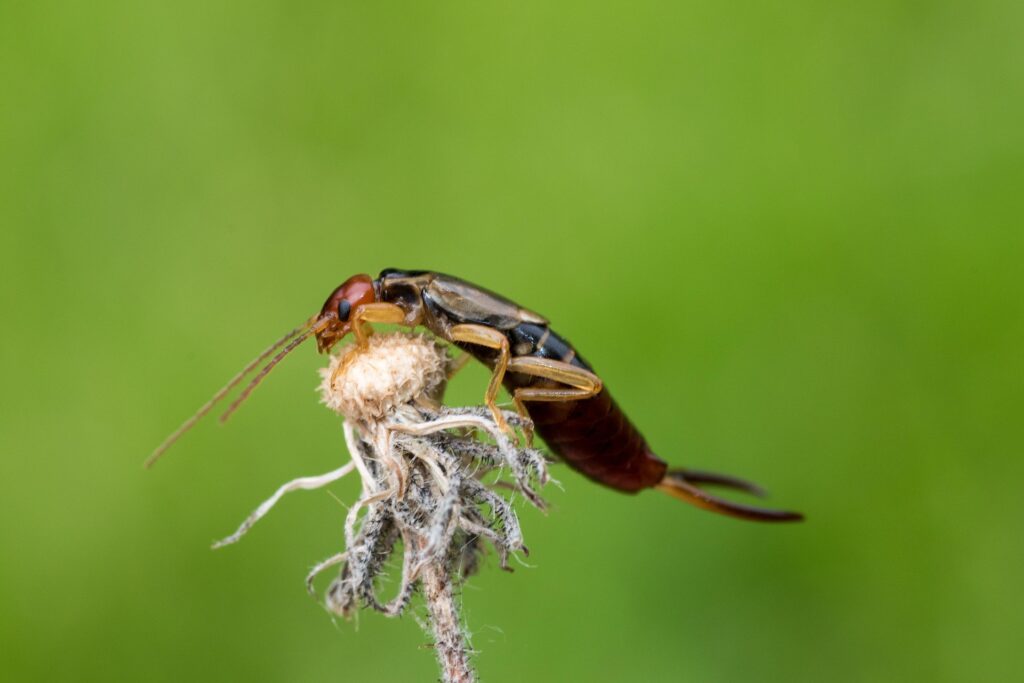
Earwigs are small, nocturnal insects often identified by the pincers at the end of their abdomen. While they are more of a nuisance than a danger, their sudden appearance in bathrooms, kitchens, or basements can quickly cause concern for homeowners. These pests thrive in dark, damp areas and can multiply rapidly when conditions are favorable. Effective prevention requires more than surface-level treatment; it takes professional insight, strategic control methods, and long-term planning to keep them away for good. Understanding the Behavior Behind Earwig Infestations Before controlling earwig infestations, professionals start by understanding the pest’s habits and life cycle. Earwigs typically prefer moist environments, such as under mulch, rocks, or decaying leaves. During dry or hot weather, they move indoors in search of humidity. They are most active at night, feeding on organic matter, plants, and other insects. Although they rarely cause major damage, a large population can harm seedlings and garden plants. Inside homes, they gather near damp areas such as: By studying these patterns, professionals can accurately locate breeding sites and identify potential entry points. This detailed understanding helps tailor earwig control strategies that address both the insects and the conditions that attract them. Inspection and Identification: The First Step in Earwig Control Every successful treatment plan begins with a thorough inspection. Professionals use targeted evaluations to identify both the source of the infestation and environmental factors that sustain it. Their inspection process often includes: Identifying the scope of infestation allows professionals to implement precise solutions rather than generalized sprays that only offer temporary relief. This investigative approach also prevents recurring problems by addressing underlying causes rather than symptoms. Moisture Reduction and Habitat Modification Earwigs rely heavily on damp conditions for survival. Professionals focus on altering these environments to make them less inviting. Habitat modification is one of the most important steps in long-term earwig control. The process often includes: Reducing humidity discourages earwigs from breeding and migrating inside during seasonal changes. This preventive work is particularly useful before cooler months when preparing for fall pests, as this is when earwigs and other insects seek warmth and shelter indoors. Safe and Strategic Treatment Methods Once inspection and environmental adjustments are complete, professionals implement treatment plans designed to target both adult earwigs and developing nymphs. The goal is to control populations effectively while minimizing environmental risks. Some commonly used professional techniques include: Professionals also recommend maintaining outdoor lighting strategically since bright lights can attract earwigs at night. Switching to softer or yellow-tinted bulbs helps minimize attraction near entryways. These combined efforts ensure that the infestation is managed thoroughly and responsibly. Long-Term Prevention and Monitoring Even after a successful treatment, continuous monitoring and preventive maintenance are essential. Professionals often schedule follow-up visits to confirm that the infestation has been completely resolved. Preventive care may involve: This ongoing vigilance prevents small issues from developing into larger infestations. It also reinforces the importance of partnering with experts rather than relying solely on short-term do-it-yourself methods. Understanding why DIY pest control fails can help homeowners appreciate the difference professional training and precision make in long-term pest management. Keep Earwigs Out Before They Move In Consistent prevention is the most reliable way to stop earwig infestations before they spread. From moisture control to habitat modification, every step professionals take is designed to create a balanced and pest-free environment. Homeowners who notice recurring earwig activity should act early to avoid larger population growth and structural invasion.If you are dealing with persistent earwigs or want to prevent them before the season changes, contact Protek Pest and Lawn for comprehensive and science-based pest management solutions tailored to your property.
Professional Cockroach Elimination Strategies
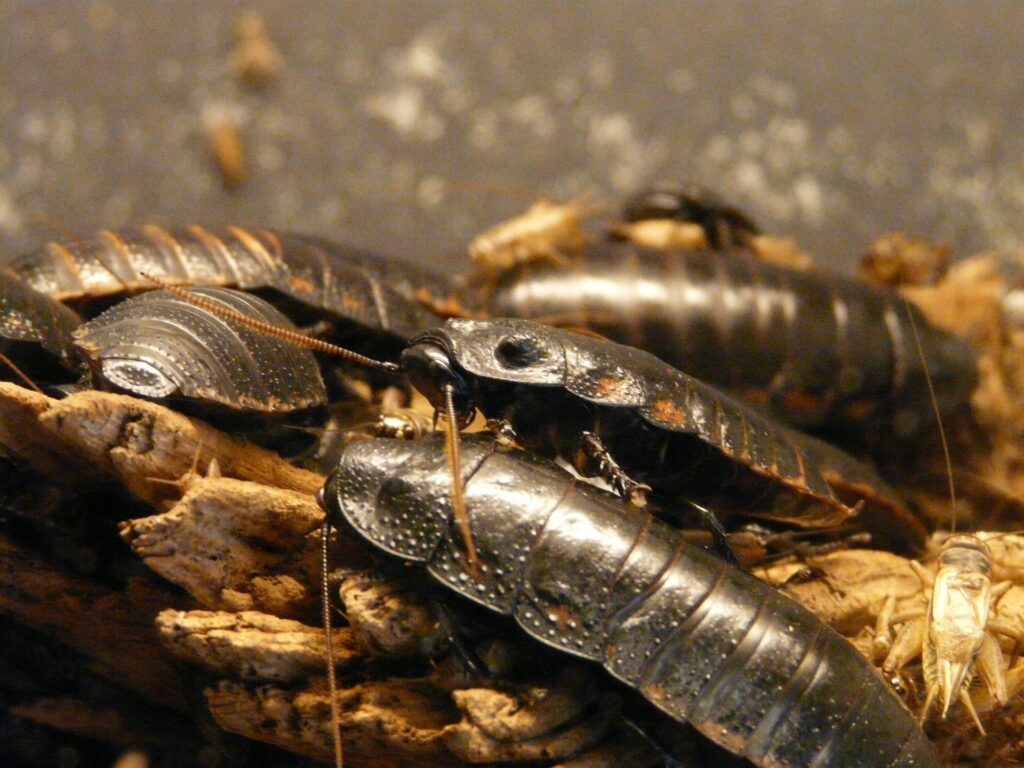
Cockroaches are among the most persistent household pests, known for their ability to adapt, reproduce quickly, and survive in harsh conditions. They contaminate food, spread allergens, and thrive in hidden spaces where homeowners may never notice them until infestations are well established. Effective cockroach control requires a combination of thorough inspections, targeted treatments, and preventive measures designed to eliminate pests at the source. Professional strategies go beyond temporary fixes, focusing on long-term relief and protection. By understanding cockroach behavior and employing proven methods, experts ensure that infestations are addressed safely and effectively. Understanding Cockroach Behavior Before effective elimination can begin, it is important to understand how cockroaches behave. Their survival instincts and adaptability make them one of the toughest pests to control. Understanding these habits is essential for planning an effective approach. Different species require slightly different treatment methods, making identification a key first step. For more insights into cockroach habits and risks, see this detailed guide on controlling cockroaches. Inspection and Identification A professional cockroach control plan always begins with a detailed inspection. Locating nesting areas, food sources, and entry points is essential for determining the scope of the infestation. Inspections are not just about spotting live cockroaches but also about reading the subtle clues they leave behind. Because these pests are nocturnal, homeowners often underestimate the size of an infestation until it has grown considerably. Careful identification ensures that treatment is accurate, targeted, and effective for the species present. Professional inspections provide more than surface-level findings. They map the infestation, track movement patterns, and reveal the underlying reasons cockroaches were drawn to the home in the first place. This makes subsequent treatments far more precise and successful. Targeted Treatment Methods Cockroach control is most effective when treatments are chosen based on the extent of infestation and specific conditions inside the home. Unlike DIY sprays, which may only kill cockroaches on contact, professional methods address the source of the problem by reaching hidden colonies. Preventive Strategies for Long-Term Results Eliminating existing infestations is only half the battle. Preventing future outbreaks ensures that the problem does not return. Cockroaches are opportunistic pests, and if conditions remain favorable, they will quickly re-establish colonies. Preventive strategies focus on removing the resources and access points that sustain them. A layered approach combining sanitation, structural repair, and environmental adjustments delivers the strongest results. These strategies create an environment where cockroaches struggle to survive. While preventive measures are highly effective, they are strongest when paired with professional support. Experts reinforce these efforts with monitoring systems and follow-up treatments, ensuring cockroach control is both immediate and long-lasting. Why Professional Help Is Essential While small-scale efforts may offer short-term relief, cockroaches are exceptionally difficult to eliminate without expert intervention. Their ability to hide, reproduce, and adapt makes them resistant to many household treatments. Professional cockroach control ensures a thorough approach that combines advanced tools, safe chemicals, and proven techniques. Experts not only remove current infestations but also guide on maintaining long-term protection. By relying on their experience, homeowners save time, reduce stress, and avoid the cycle of recurring infestations. For customized solutions, you can easily get a quote and find out which strategies are best suited for your home. Reclaim Your Home from Cockroaches Cockroach infestations disrupt comfort, health, and safety if left untreated. With professional strategies that combine inspection, treatment, and prevention, you can restore peace of mind and protect your household year-round. To achieve lasting results, contact Protek Pest and Lawn and let experts deliver reliable solutions for your home.
How To Detect Rodent Entry Points In Autumn
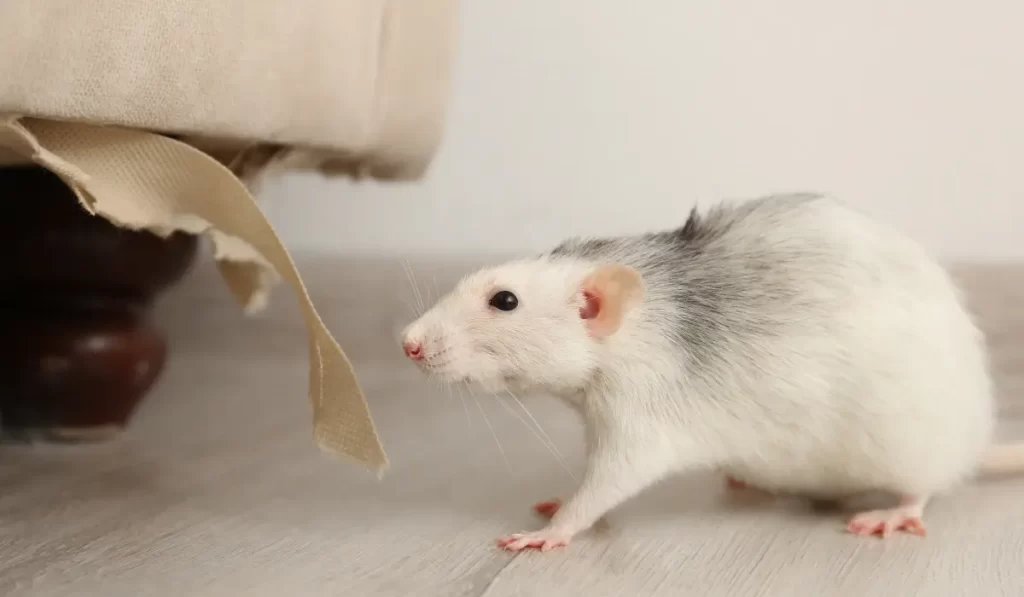
As the weather cools in autumn, rodents begin searching for shelter, food, and warmth inside homes. Once inside, they can cause extensive damage by chewing wires, contaminating food, and leaving droppings behind. Rodent control starts with understanding how these pests gain access. Detecting entry points early is the key to preventing infestations that may last throughout the colder months. By inspecting your property carefully and paying attention to signs of activity, you can identify where rodents are sneaking in. The following guide provides a detailed approach to locating and managing entry points, ensuring your home remains protected. Common Access Points Rodents Use Rodents are skilled at finding ways indoors, often exploiting gaps that seem insignificant to homeowners. Knowing the most common access points makes it easier to spot weaknesses before an infestation begins. Understanding these areas is essential for creating an inspection plan. Once rodents establish themselves, they breed quickly, making early detection critical for effective rodent control. For more details about the habits of these pests, visit this resource on rats and mice. Signs That Rodents Have Already Entered Detecting entry points becomes easier when you also recognize the telltale signs of rodent activity. These clues can confirm whether your home is already compromised. These indicators suggest that rodents are not only entering but also living inside your home. At this stage, sealing gaps alone may not be enough, making professional intervention an important step. How to Inspect Your Home in Autumn A thorough inspection during autumn helps prevent rodents from settling in before winter begins. Focus on areas where pests are most likely to exploit weaknesses. Because rodents can fit through openings as small as a quarter of an inch, even minor damage should not be ignored. Consistent inspection in the fall helps prevent an infestation before cold weather drives pests indoors permanently. Prevention Measures That Work Once entry points are identified, immediate action should be taken to block future access. Combining sealing techniques with ongoing monitoring provides the strongest defense. Preventive steps reduce the chances of rodents entering, but they do not guarantee complete protection. Professional rodent control ensures long-term results through comprehensive treatment and monitoring. Why Professional Rodent Control Matters Rodents are persistent, and once they establish a foothold, they are difficult to eliminate without specialized tools and strategies. Professionals not only identify and seal entry points but also provide safe, targeted treatments to eliminate existing infestations. Their expertise ensures that rodents are removed efficiently, reducing risks to both property and health. While prevention is important, homeowners should also consider regular inspections from experts who understand local pest behavior. This ensures vulnerabilities are caught early and infestations are managed before they escalate. For customized protection plans and reliable support, you can easily get a quote and discuss tailored options for your home. Secure Your Home Before Winter Sets In Rodents are most active in autumn as they search for shelter from the cold. Detecting and sealing entry points now helps avoid infestations that can disrupt your home all winter long. For complete protection and expert guidance, contact Protek Pest and Lawn and let our professionals safeguard your property with proven solutions.
Why DIY Pest Control Fails and When Should You Call the Pros
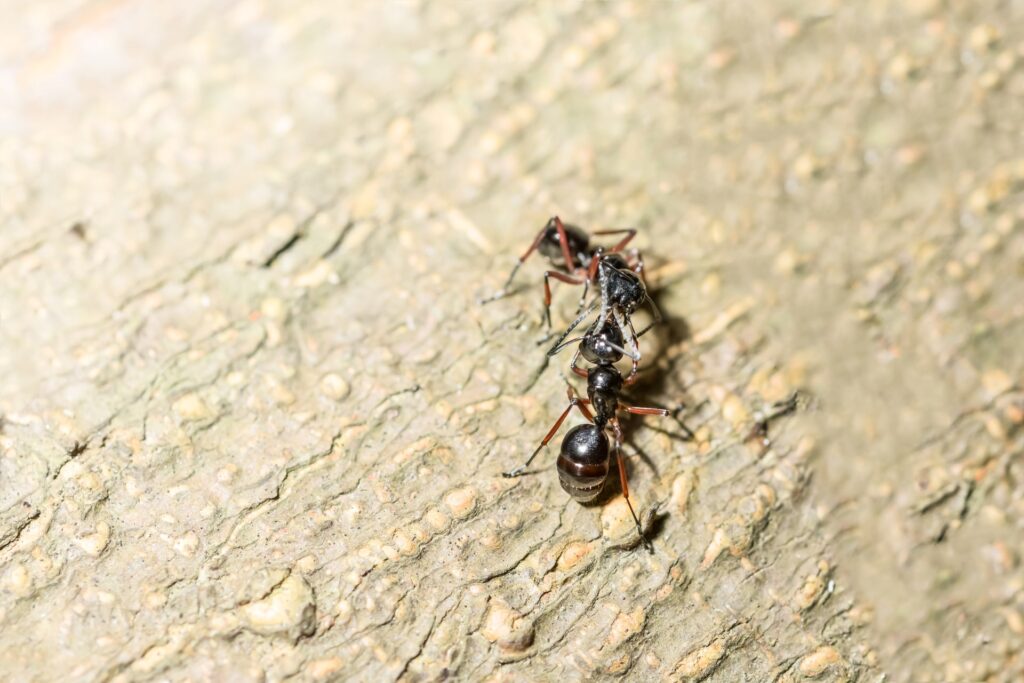
Many homeowners try to handle pest issues on their own, often believing that store-bought sprays or traps are enough to stop infestations. While these methods may provide temporary relief, they rarely address the root causes of the problem. Pests such as rodents, ants, cockroaches, spiders, and silverfish are resourceful, adapting quickly to changing conditions and simple treatments. Without the right approach, DIY efforts can result in repeated infestations, wasted money, and potential health risks. A deeper look at the challenges of do-it-yourself treatments shows why relying on professional pest control services is often the only reliable solution. By understanding the limitations of common tactics and recognizing when expert support is necessary, families can safeguard their homes more effectively. Why DIY Pest Control Often Falls Short Do-it-yourself pest solutions can sometimes reduce visible activity, but they rarely eliminate infestations. This happens because many treatments only target pests on the surface while leaving nests, colonies, or hidden populations untouched. These limitations explain why infestations return, often stronger than before, leaving families frustrated and homes vulnerable. Common Mistakes Homeowners Make Even with the best intentions, homeowners often make errors that allow pests to thrive. Understanding these missteps highlights why professional approaches succeed where DIY fails. By the time these mistakes are realized, infestations are often well established and require more than basic solutions. The Risks of Leaving Infestations Untreated Pests are not just inconvenient. Their presence in the home poses real risks to health, safety, and property. Attempting to manage these threats with DIY methods alone often leads to costly consequences. Beyond property damage, infestations affect peace of mind. Living with pests is stressful, especially when DIY treatments provide no long-term relief. This is where professional pest control services provide the expertise and consistency needed to restore balance. When to Call the Pros Recognizing the right time to seek help is crucial. Professional intervention ensures infestations are handled safely, thoroughly, and with lasting results. Professional technicians have access to advanced tools, safer chemicals, and proven strategies. Their ability to treat hidden infestations and prevent future issues sets them apart from store-bought solutions. Learn more about full-service options by exploring these services. Why Pro Pest Control Makes the Difference Professional pest control is not just about stronger treatments. It is about a complete approach that blends knowledge, precision, and prevention. Experts are trained to identify pest species, locate breeding grounds, and implement targeted treatments that break life cycles. They also provide ongoing monitoring, ensuring infestations do not return. This level of expertise saves families time, money, and stress in the long run. Rather than cycling through endless DIY products, homeowners gain the reassurance that infestations are eliminated at the source. With pests such as ants, rodents, cockroaches, spiders, and silverfish, professional care often makes the difference between temporary relief and lasting results. Take Back Control of Your Home Pests can disrupt comfort, safety, and health if left unchecked. While DIY methods may seem convenient, they rarely deliver lasting solutions. For thorough protection and peace of mind, contact Protek Pest and Lawn and let the experts handle infestations with proven care.
Preparing For Fall Pests Before The Cold Hits
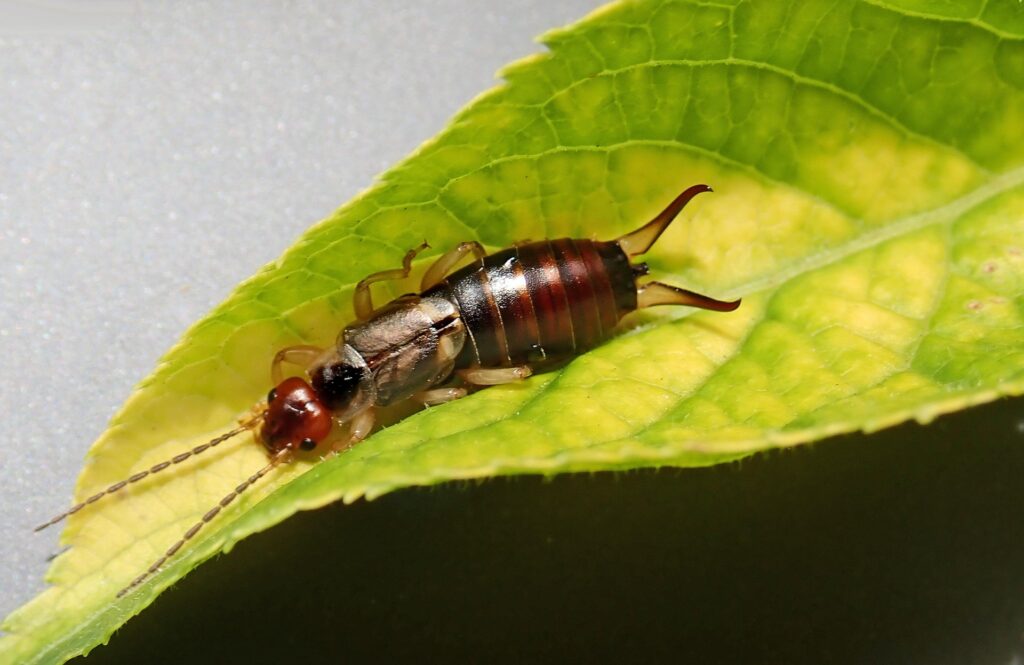
As temperatures begin to drop, many homeowners in Utah notice an increase in pest activity. The shift from warm to cooler weather drives rodents, ants, cockroaches, spiders, and silverfish indoors in search of food, warmth, and shelter. These fall pests can quickly become a serious concern if preventative steps are not taken in time. Proper preparation before the first freeze is critical. Ignoring early signs of pest activity often leads to infestations that are harder to control during the winter months. By understanding the seasonal habits of common intruders and implementing preventive strategies, families can reduce the risk of pest-related damage and health hazards. Understanding Why Fall Pests Move Indoors When fall arrives, outdoor conditions change rapidly. Food becomes scarce, temperatures drop, and moisture levels fluctuate, making indoor environments more appealing to pests. Understanding these behaviors helps homeowners target problem areas and anticipate pest activity before it escalates. Recognizing the unique patterns of each pest also makes it easier to identify early warning signs such as droppings, webbing, or gnawed materials. Sealing Entry Points Before Winter Preventing fall pests starts with keeping them out. Small openings around the home provide easy access, and rodents or insects can exploit even minor vulnerabilities. Thorough inspections in early fall help catch weak spots before pests take advantage. Rodents are especially persistent during cold months, gnawing through weak barriers to gain entry. Sealing structural openings before temperatures drop is one of the most effective forms of prevention. Professionals can often detect access points that are easily missed during routine inspections, ensuring no gap is left untreated. Indoor Cleaning and Organization Once inside, pests thrive where clutter, food sources, and moisture are present. A clean, organized home reduces their ability to establish nesting sites and access resources. Regular cleaning not only discourages infestations but also creates a healthier home environment. This approach reduces the appeal of your home as a safe haven for pests. Ants, in particular, are highly motivated by food sources. For strategies on preventing their entry and protecting food storage, review this detailed article on ant infestations. Yard and Exterior Maintenance Fall pests often approach from outside, so maintaining the yard and home exterior plays an important role in prevention. Outdoor neglect can directly increase the likelihood of indoor invasions once cold weather arrives. Yard maintenance also discourages spiders, which frequently follow smaller insects toward the warmth of the house. By reducing clutter and debris outdoors, you minimize the chances of them seeking shelter indoors. Why Professional Pest Control Matters While preventive measures significantly reduce risks, fall pests are persistent and adaptable. Rodents gnaw through materials, ants find new food pathways, and cockroaches survive in hidden damp areas. Once infestations begin, household cleaning and sealing may not be enough to eliminate them fully. Professionals bring the expertise, tools, and treatments necessary to handle seasonal pests effectively. They understand where pests hide, how they move, and what measures keep them from returning. Their ability to spot early signs of trouble allows them to prevent infestations from escalating, saving time and reducing stress for homeowners. Fall preparation is not only about stopping immediate invasions but also about ensuring long-term protection throughout winter. Partnering with experts provides reassurance that your home will remain safe, clean, and pest-free during the coldest months of the year. Stay Ahead of Seasonal Invaders The fall season is the ideal time to safeguard your home against unwanted intruders. With the right preparation, families can enjoy a clean, pest-free winter. For comprehensive prevention and removal services, contact Protek Pest and Lawn and let our experts secure your home before the cold sets in.